Mick Clifford: Anthony Flynn's alleged crimes continue to cast a long shadow
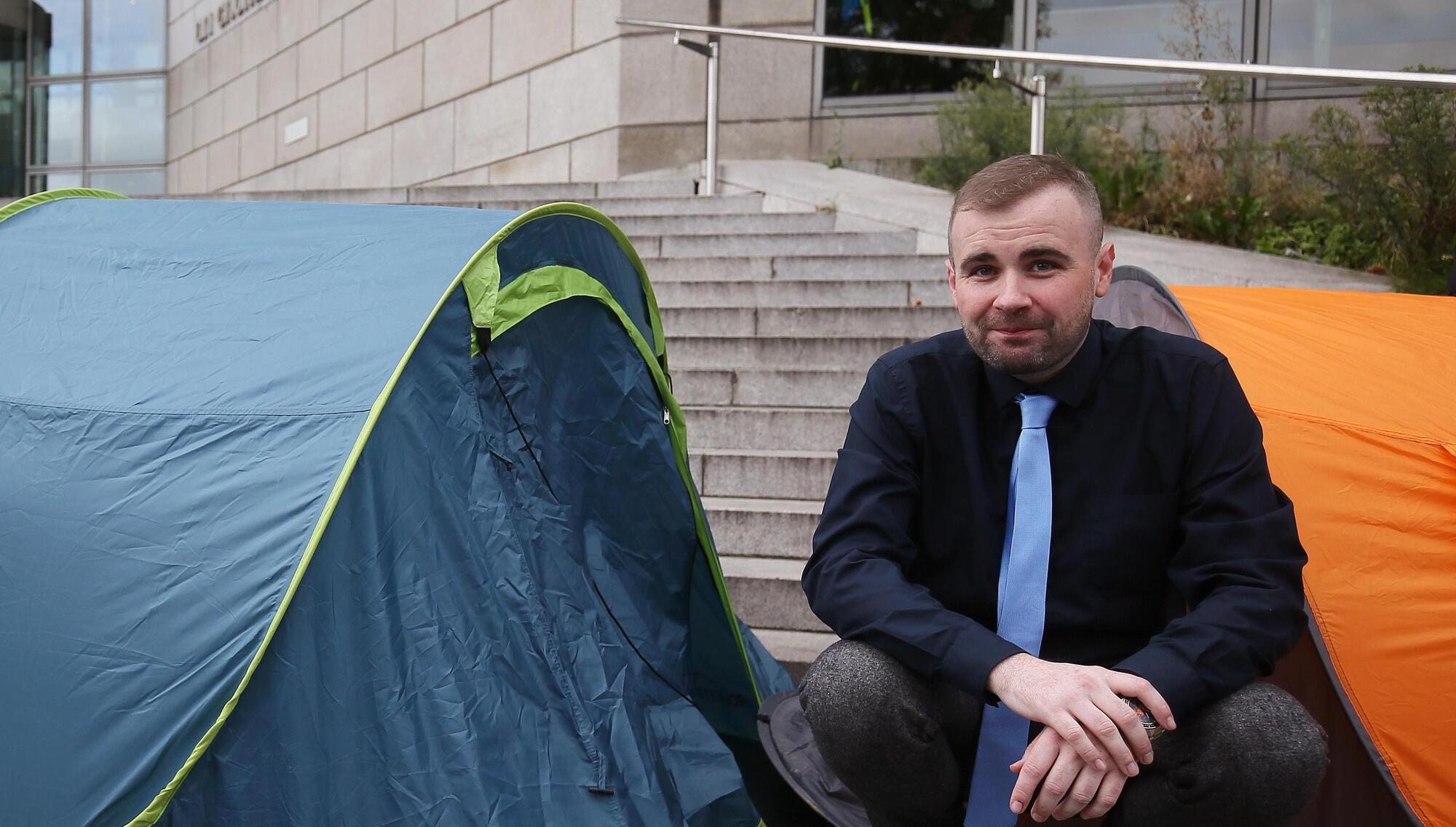
Councillor Anthony Flynn, former CEO of Inner City Helping Homeless, took his own life last August when allegations of sexual assault against him surfaced.
The life and suspected crimes of Anthony Flynn continue to exercise a significant pull from beyond the grave.
Mr Flynn, who set up and ran the Inner City Helping Homeless (ICHH) agency in Dublin, took his own life last August when allegations of sexual assault against him surfaced. He was also a member of Dublin City Council, and division has now opened up on the council over the choice of candidate to take his seat.
On March 7, the choice of the Independent group on the council — and Mr Flynn’s family — was rejected by the council in a vote.
Geraldine Molloy was a close associate of Mr Flynn’s in ICHH, and has a record in community work in Dublin’s north inner city. There is no suggestion she knew anything of Mr Flynn’s conduct prior to the agency’s board being made aware of it.
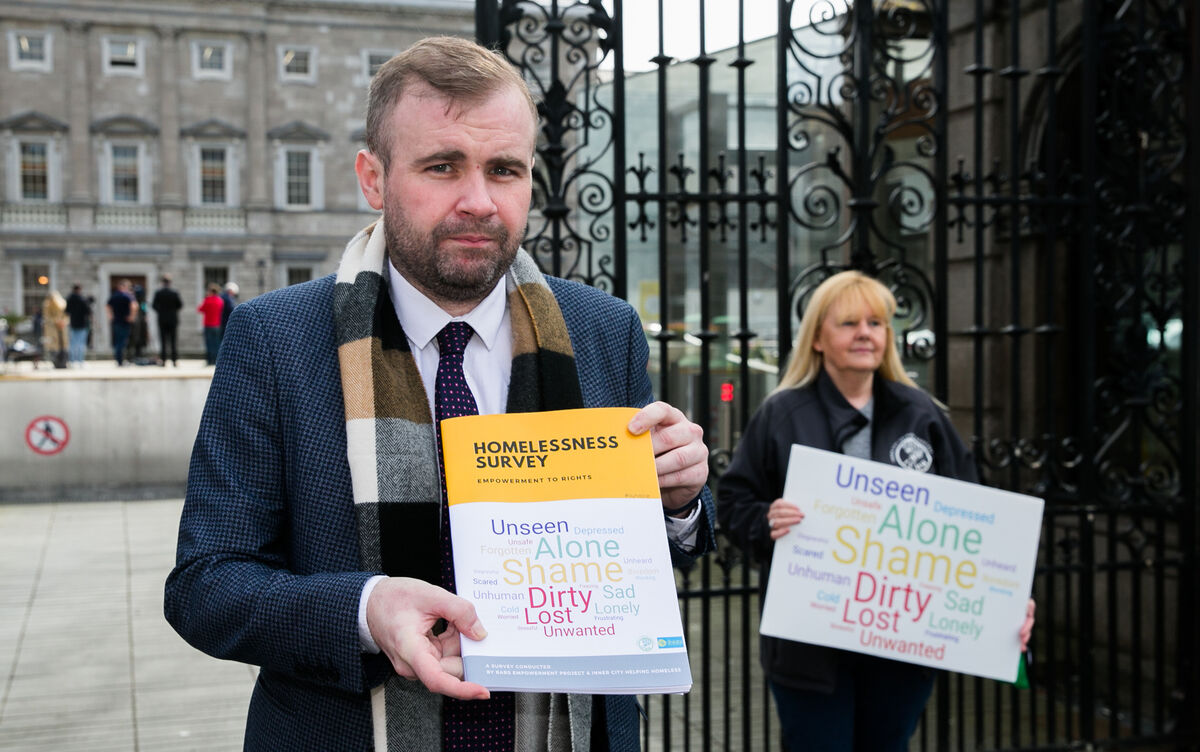
She has told the her name will be put forward again by the Independent group, despite the defeated vote. Those who support Ms Molloy say this is about filling the vacant seat with a working-class woman who knows the community which Mr Flynn served. Those opposed are uneasy that anybody associated with ICHH should be appointed to the council before various inquiries into Mr Flynn’s conduct and the running of the agency are completed.
The vote on Ms Molloy’s co-option was 21 for and 26 against, with 13 abstentions. That was highly unusual. Ordinarily, such a proposal would have been expected to pass with near anonymity. Prior to the meeting, councillors also received a letter from Ms Molloy’s solicitor which refuted, with evidence, allegations that had been made by a homeless woman that Ms Molloy had made negative comments at a meeting in ICHH.
“If that lady has any issues in going further, she should go to the gardaí,” said Ms Molloy.
Proposing her for co-option, independent councillor Christy Burke said she had been subjected to unparalleled scrutiny, and that there were “political assassins outside the chamber”.
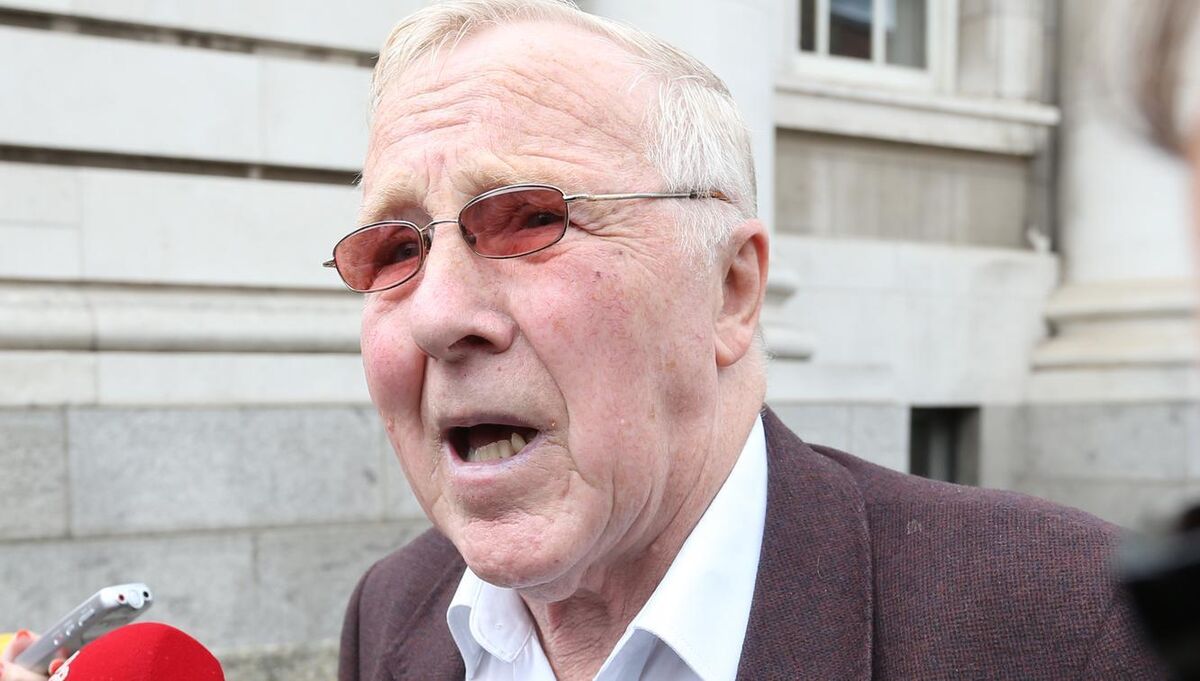
After the vote, Mr Burke and fellow independents Nial Ring, Ciaran Perry, and Noeleen Reilly stormed out of the meeting, saying something about the vote being undemocratic. Fellow Independent Mannix Flynn, who had voted against the proposal, said in their wake: “That is democracy”.
Noeleen Reilly later posted on Facebook: “Independent councillors walked out of our monthly meeting tonight in protest at the political decision from the Green Party, Fianna Fáil, and the Soc Dems to block a working-class inner-city woman from joining the council.”
The following day, Ciaran Perry tweeted: “Happy International Woman’s Day to women everywhere…except the hypocrites on Dublin City Council who voted against a working-class community activist hoping to represent her community.”
Thus, the attempt to have Ms Molloy co-opted was cast as an attempt to increase the respective under-represented cohorts of women and working-class activists. Ergo anybody who didn’t go along with this must by default be in some way anti-women, anti-working class, or hypocrites.
Those who opposed the co-option saw things very differently. The Greens’ Janet Horner’s contribution at the meeting chimed with many others. She said that the north inner city had to be fully represented, but there were issues. “We are conscious that there is a criminal investigation ongoing into ICHH activities," she said.
Fianna Fáil’s Deirdre Heney said her party would not support the nomination. “We are not casting aspersions, I’ve already said that to Geraldine," she said. "I’ve asked that this not be brought until the investigation by An Garda Síochána was completed so we could go about our business fully informed as to what happened.”
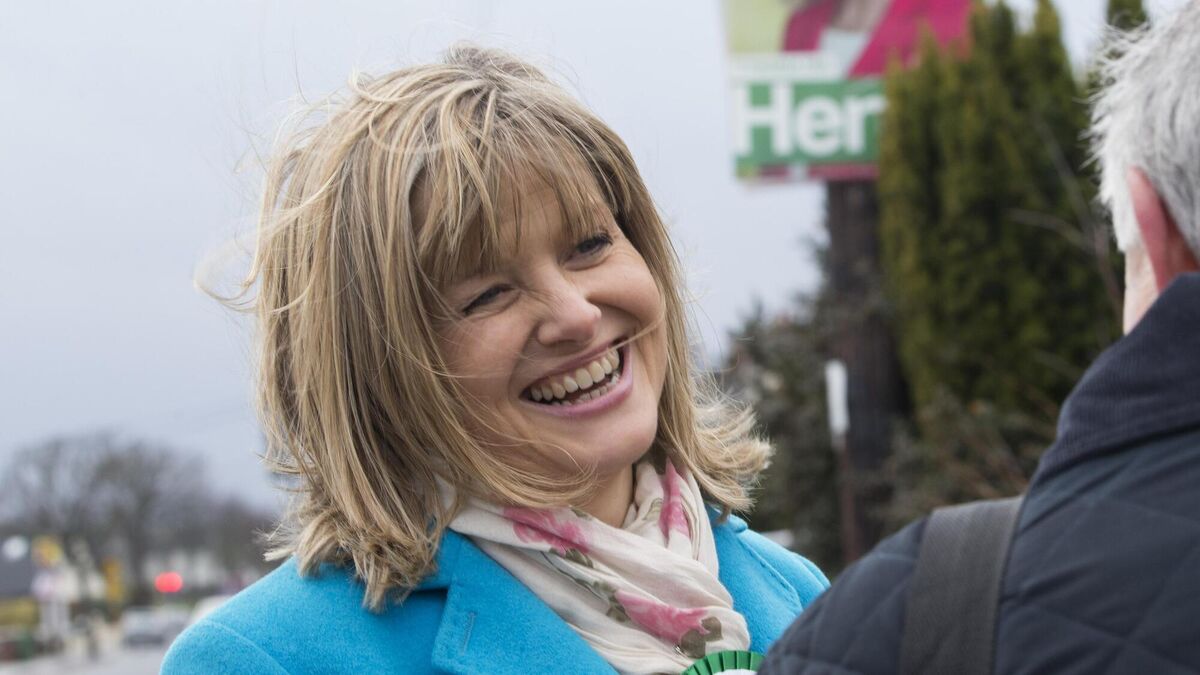
None of Sinn Féin’s eight councillors spoke on the motion, but all voted in favour. Fine Gael’s Danny Byrne did speak, but only to say that his party would be abstaining.
In one respect, Ms Molloy is in an unenviable position. Nobody was suggesting that she had even been aware of Anthony Flynn’s conduct — which also included allegations of habitual cocaine use — but her perceived closeness to the deceased man and her involvement with ICHH were considered insurmountable stumbling blocks. Central to the objections were thoughts for Anthony Flynn’s alleged victims — all believed to be homeless men — and how they would view such a co-option.
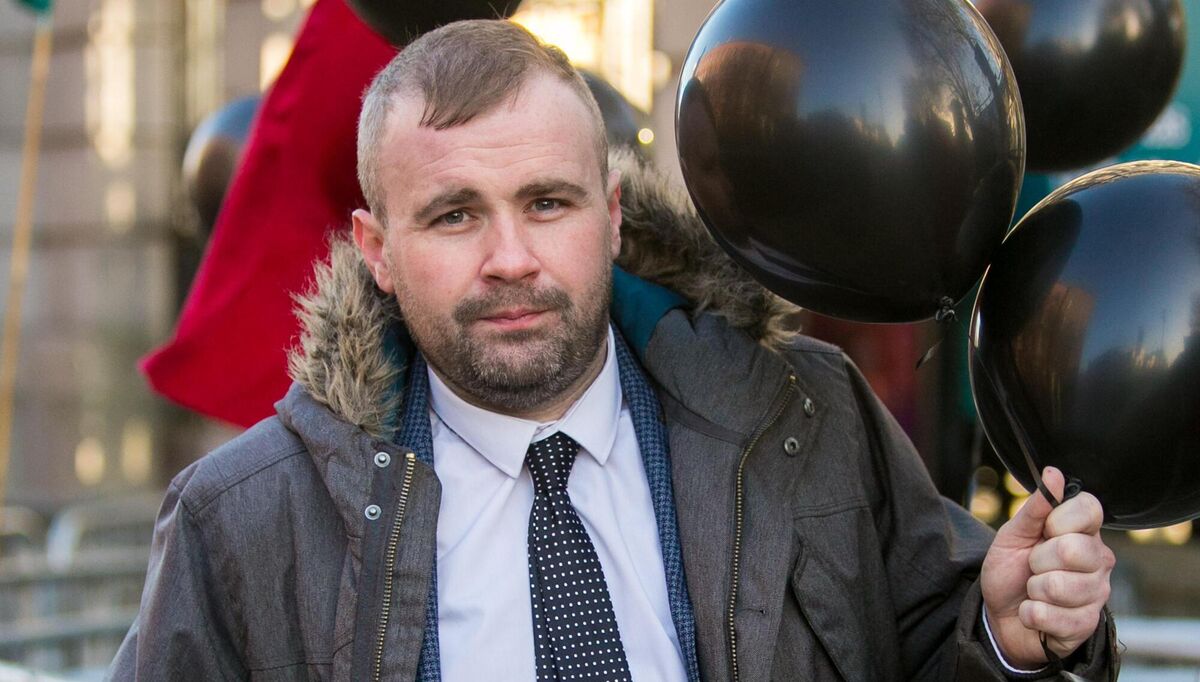
Ms Molloy told the that she didn’t want to comment on Mr Flynn, his alleged victims, or the ICHH.
“The whole thing is crazy, as Christy [Burke] said, in 30 years he hadn’t seen anybody having to produce what I did,” she says.
Ms Molloy isn’t the only one caught up in the fallout from the issues around Mr Flynn.
David Hall was chairman of ICHH at the time the allegations surfaced, and he suspended Mr Flynn immediately. Ten days later, Mr Flynn took his own life. Mr Hall’s handling of the crisis attracted praise. He subsequently stepped down, citing threats to his personal safety.
Prior to the controversy blowing up, he says he was led to believe that he would be asked to serve on the Housing Commission, which was eventually formed earlier this year.
“I was odds-on to be on the Housing Commission, but once there is a stink and you’re close to it, you’re going to get hit.
“Every one of us has shrapnel, even anyone who did the right thing.
"Look at the report I wrote [into the matter]. I don’t think anybody could criticise that, but nobody walks away from a controversy, especially of a sexual nature, even if they did the right thing.”
The clash on the council touches on themes that have come to the fore in public and political life in recent years. The underrepresentation of women in politics has been acknowledged with gender quotas, and many parties now try desperately to get suitable women on election tickets. Working-class areas have long been underrepresented and there are ongoing attempts to rectify that.
A far greater shift in public attitudes in recent years has been the willingness, in general, to listen to victims of sexual violence and abuse. As a result, there is a heightened awareness about the sensitivities of these victims and the trauma they carry.
Anthony Flynn’s alleged victims — and their allegations will not now be tested in court — are young males existing on the margins of society. Whether that status is a factor in the ongoing row, and whether their plight would be viewed differently if they were drawn from mainstream society, is a matter of conjecture.

CONNECT WITH US TODAY



Be the first to know the latest news and updates