Elaine Loughlin: Cynical tax adjustments will do very little to improve quality of life
Elaine Loughlin On the Plinth
Dear Paschal, I am middle Ireland and I don’t want your €600.
Cynical tax adjustments no longer work for workers, instead struggling families want the cost of childcare addressed, they want a healthcare system that does not involve trolleys and long waiting times, they want support to allow their elderly relatives remain at home, they want proper public infrastructure.
They do not want to hear about another Christmas of children living in emergency accommodation.
Putting a few extra euro into monthly payslips will do very little to improve quality of life.
But, with his party under pressure in the polls, it appears Finance Minister Paschal Donohoe is now willing to dip into the lucky bag to dig out a few cheap toys that will not be appreciated.
Widening the tax bands over three successive budgets means workers would not hit 40% tax until they reach €40,000, The adjustment would equate to just over €50 a month or over €600 a year, which Mr Donohoe stressed would help with the rising cost of living.
“We have the ability to get to around €40,000 for the higher rate of tax and that means repeating the kind of moves that we have made in the recent budget,” he told the Irish Independent.
“I believe that’s going to allow more workers to pay the standard rate on more of their income, which I believe is an essential recognition of the efforts their work is making to grow in our economy.”
From cradle to grave, citizens who come into contact with public services quickly realise that years of underinvestment have led to creaking systems at best and crumbling services at worst.
Right from the moment they enter this world, a baby will encounter this.
“I could describe Holles Street as a Lego set, all we are doing is plugging pieces here and there, it by no means amounts to 21st-century maternity care,” said Shane Higgins, master of the Dublin
hospital, over the summer.

It will be 2027 at the very earliest before Holles Street moves to a new purpose-built facility on the grounds of the campus of St
Vincent’s University Hospital in south Dublin.
One in every six babies born in the country is delivered at the Rotunda Hospital and one in every four neonatal babies is born there, but, having first opened its doors in 1745, it is a building that is “delivering 21st-century health services in 18th-century facilities”, according to Fianna Fáil senator Mary Fitzpatrick.
And yet the best-case scenario for the Rotunda is a 15-year wait before the hospital moves out to a greenfield site at Connolly Hospital in Blanchardstown.
While the Government announced measures to support the childcare sector and ensure minimum rates of pay for workers in October’s budget, the multi-million package will only ask providers to keep parental fees at the current rates. This is cold comfort for those paying the equivalent of a second mortgage each month in childcare costs.
Meanwhile, parents currently face an average of 17 months to get an assessment of need for children with disabilities, despite a legal requirement for the assessment to be completed within six months.
This wait comes before they get shunted onto yet another list for the interventions, therapies, and services they require.
Last month, in response to Fine Gael TD Colm Burke, the HSE said it “regrets” that 10 children in the Cork-Kerry region are waiting up to 11 months for wheelchairs and other important equipment.
Later in life, if a child goes down the path of a third-level education, they will find a system that in the words of Higher Education Minister Simon Harris has been “ducked and dodged for far too long” when it comes to investment.
Speaking at the Teachers’ Union of Ireland conference in April, Mr Harris said: “You can have all the lofty ambitions and plans you want but to make them a reality we need to properly fund third-level education.”
And yet the Cassells report, published in 2016, putting forward a number of options to fund the third-level sector, still has to be acted upon by the Government.
The frustrations at a lack of proper services continue into adulthood.
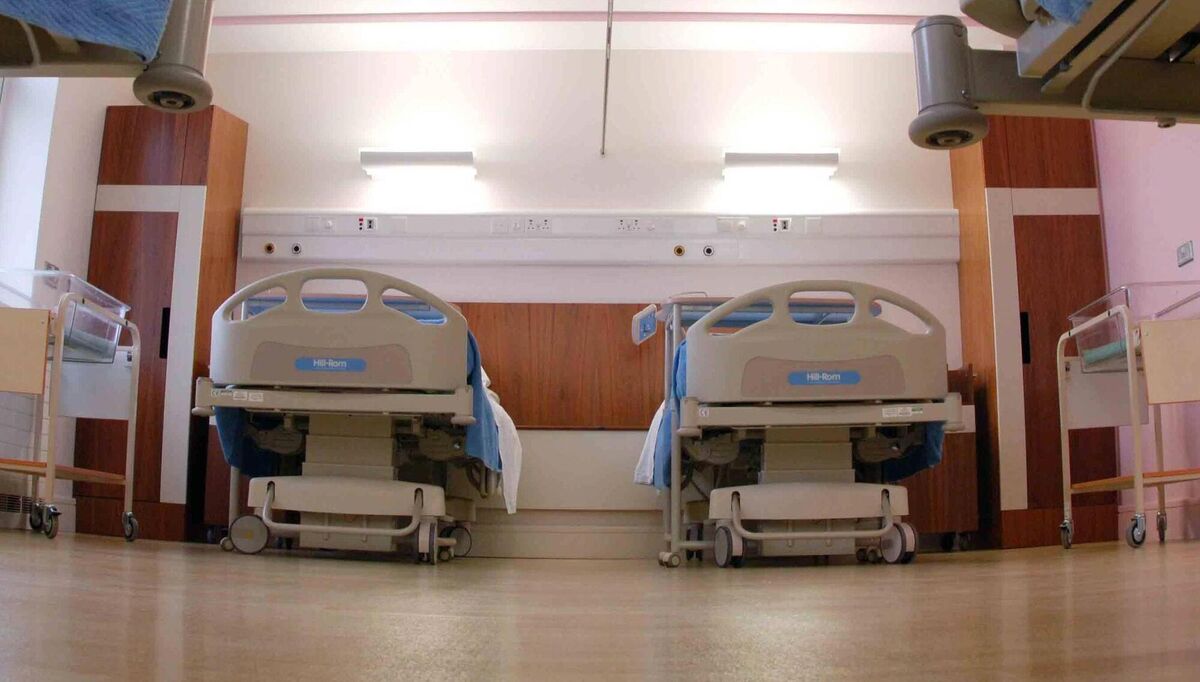
Yesterday morning, there were 534 patients on trolleys in our hospitals, the worst overcrowding since the pandemic began.
Calling for bespoke plans to tackle overcrowding in each hospital, the Irish Nurses and Midwives Organisation secretary general Phil Ní Sheaghdha described the figures as “a real nightmare before Christmas scenario”.
When a person gets off a trolley and into the health system, they will now join a queue of almost a million people waiting for medical treatment.
The official lists include more than 220,000 people who are waiting over 12 months for their first consultant-led outpatient appointment.
In later life, a severe lack of homecare workers means older people may now be faced with no option but to move to a nursing home. A long-awaited ‘fair deal’ scheme for homecare has been delayed until 2022, with Covid-19 being cited as a reason for the delay.
In the meantime, organisations providing support to older people say there is a homecare staffing crisis. Of course, that is if they have the luxury of owning their own home.
The Department of Housing’s latest official homeless figures show there are now 8,830 people — 6,317 adults and 2, 513 children — accessing homeless services across the country. These October figures were an increase of 355 people on the previous month.
For many, the pandemic has altered priorities. People want a ‘new deal’, as Labour leader Alan Kelly puts it.
“It’s not just about building back better; it’s about building back fairer. Our country is at a crossroads and there can be no going back,” Mr Kelly told his own party conference.
The public, more than ever, sees through the old way of doling out a few fivers here and there.
Tinkering with tax bands as suggested by the finance minister is a costly endeavour that achieves little.
CONNECT WITH US TODAY
Be the first to know the latest news and updates