European countries must provide safe routes for refugees
Ending the people smuggling trade will not be easy, but implementing safe pathways can and will undermine those seeking to exploit refugees and save lives, writes John Lannon
European countries must provide safe routes for refugees

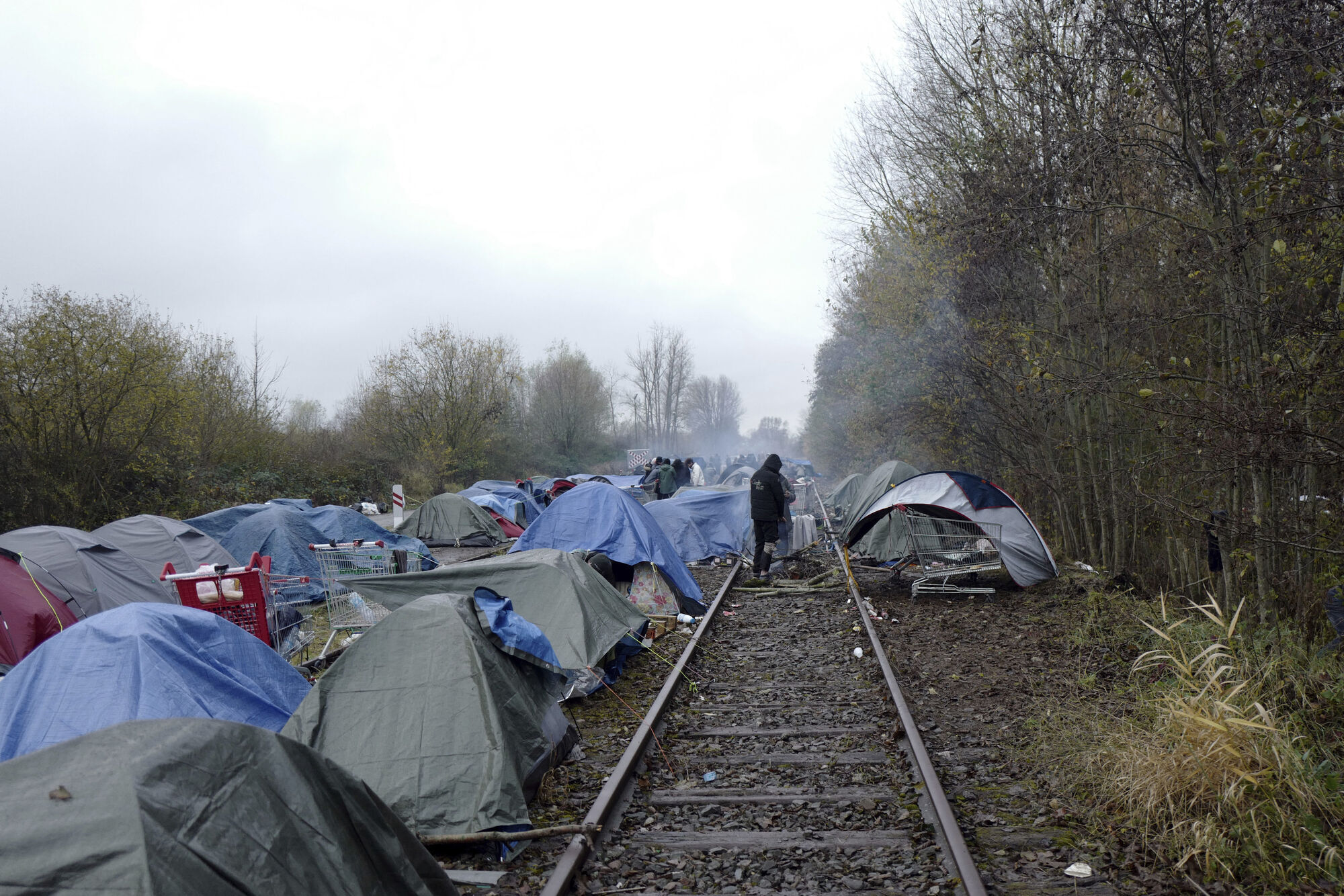
Having fled from war, persecution and violence, the trauma experienced in their home countries is compounded by violent and life-threatening experiences in Europe, often at the hands of police. Photo: AP/Rafael Yaghobzadeh

As Europe comes to terms with the tragic deaths of 27 people in the English Channel, it’s time for governments, including Ireland’s, to do more to provide safe routes for people in need of international protection. 

Deaths like these are predictable and preventable and can be avoided if governments work together in a timely and effective manner to share responsibility for the protection of refugees. The deaths included seven women and three children. 

The desperation that drove them and others to undertake their perilous journey across a cold, dark sea in a flimsy boat highlights what a hostile environment Europe has become for people seeking safety and protection. It’s not just the English Channel in which people are dying. 

People fleeing from oppression in Afghanistan, Syria, Iran and other parts of the world are losing their lives on other European Union borders. From January to September 2021 an estimated 1,369 migrants lost their lives while crossing the Mediterranean Sea. 

And at least eight people have died on the Poland/Belarus border in recent weeks, having been trapped in a densely wooded border zone in sub-zero temperatures with no food or shelter.

Having fled from war, persecution and violence, the trauma experienced in their home countries is compounded by violent and life-threatening experiences in Europe, often at the hands of police. Just outside Dunkirk, local police have an ongoing policy of “continuous removal” of the tents of hundreds of people, mostly Iraqi Kurds, resulting in their meagre possessions being trashed, lost or stolen.

It shouldn’t be like this. Seventy years ago the 1951 Refugee Convention was established as a response to the urgent needs of refugees generated by World War II. In 2001, the UN’s Refugee Agency, the UNHCR, described it as a timeless treaty under attack. 

This is the case now more than ever, as people are increasingly forced to flee persecution, war and human rights violations and to seek refuge in other countries. It’s time now for Europe to live up to the commitments made 70 years ago, and to ensure an effective collective response to the conflict and wars now being waged.

Governments have a duty to protect the fundamental rights of all people under their jurisdiction, regardless of their nationality and/or legal status. This includes providing access to asylum procedures. 

According to a recent UK Refugee Council report, 98% of people crossing the English Channel in treacherous conditions claim asylum. Right now, people are being denied that right.

States have the sovereign power to regulate entry, and have an obligation to guard, control and protect their borders. However, international law provides that measures to this effect cannot prevent people from seeking asylum.

Instead of governments looking to apportion blame for the arrival of people who may be in need of international protection, they need to work together to ensure safe routes that provide solutions for refugees. 

There is a range of options open to them, including refugee resettlement, family reunification, and complementary pathways that provide opportunities for refugees to enter and settle in a country through labour mobility, education and other schemes. They can also include community sponsorship programmes that are additional to resettlement, and humanitarian admission programmes.

As part of the UN Global Compact on Refugees, states committed to expanding access to third-country solutions, including opportunities for resettlement and complementary pathways for the safe admission of refugees. This ground-breaking agreement recognises that a sustainable solution to refugee situations cannot be achieved without international cooperation.

European countries, including Ireland, must therefore do more by providing safe pathways for people in need of international protection. The proposed Afghan Admissions Programme announced by the Irish government in September is a welcome initiative in this regard. However, the delay in implementing it is problematic for those at risk. 

Members of the Afghan community in Ireland worry constantly about the safety of family members in Afghanistan and neighbouring countries. We should not force them, through our inaction, to make decisions like the people who died in the English Channel.

Evidence has shown that governments’ refusal or unwillingness to provide safe passage for people seeking refuge, while instead focusing their efforts on shutting down smuggling activities, will continue to result in loss of life. Despite the fact that thousands of people have drowned in the Mediterranean, the crossings have not ended. The same is true in the English Channel.

Ending the people smuggling trade will not be easy. But implementing safe pathways can and will undermine those seeking to exploit refugees. And it will save lives.

  • John Lannon is the CEO of Doras, a Limerick-based national organisation working to protect the rights of migrants, refugees and asylum seekers. 

On Thursday, December 9th at 7pm Doras is hosting an online event with special guest speakers to mark its 21st anniversary as well as 21 years of Direct Provision. More information and free registration at www.doras.org

x

More in this section

Revoiced

Newsletter

Sign up to the best reads of the week from irishexaminer.com selected just for you.

Cookie Policy Privacy Policy Brand Safety FAQ Help Contact Us Terms and Conditions

© Examiner Echo Group Limited