Paul Hosford: Green Party swords have been put away
Party has never been in a stronger position electorally
Paul Hosford: Green Party swords have been put away

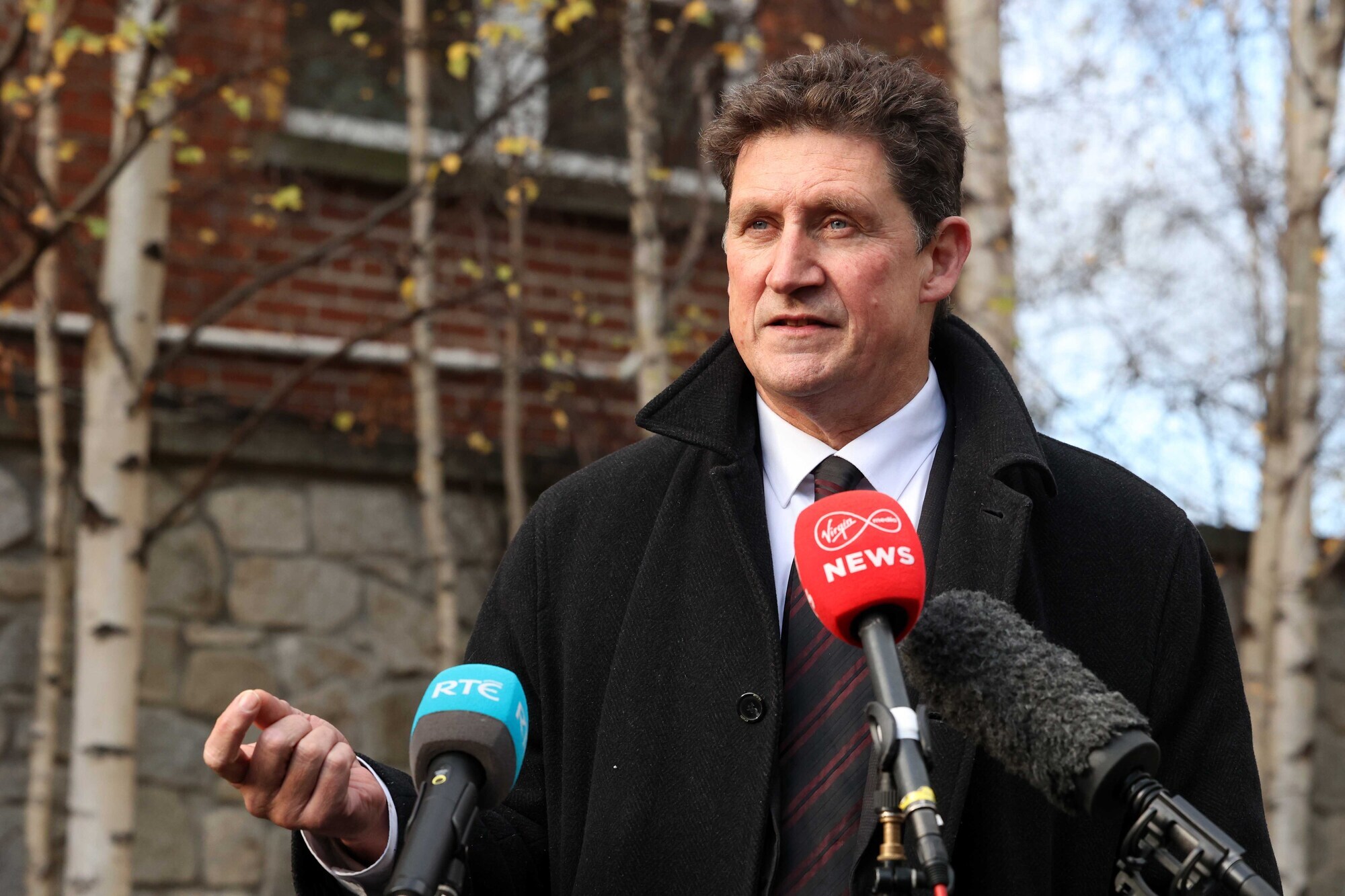
Green party leader Eamon Ryan.

It can be difficult to realise, given all that has happened in the last 18 months, but the Green Party has never been in a stronger position electorally.

Shooting from two seats last January to 12 a month later was not an isolated incident, but the culmination of three years of rising in the polls. 

In 2019, the party won 49 council seats across the country in a "Green wave". 

Reports came in of candidates who hadn't canvassed being elected, so strong was the brand.

That continued into 2020 and a strong push to transfer to parties of the left helped the Greens to 12 seats, double its best-ever performance.

But ensconced in Government since June of last year, the narrative has grown that it is something of a beaten docket, that it faces a certain electoral wipeout at the locals in 2024, before its 12 TDs are most assuredly are shown the door. 

It's a done deal for the junior coalition partners, after all that, they get wiped out at the next election, paying the heaviest price for the sins of the Government.

For this vintage of the Greens, that narrative hasn't been helped internally, as the party was beset with all kinds of problems — from having TDs vote against the Government, to councillors leaving, to accusations of bullying within the party. 

The split was most evident among those who supported going into government and those who opposed it, with the debate causing rancour between both sides. 

On the pro side, there was an argument that the Covid and climate emergencies must be met with a 'green hand'. 

On the anti side, there was a sense the party was betraying its electorate, many of whom had come on board since 2019 and wanted to see sweeping change.

In the end, party leader Eamon Ryan's argument proved persuasive to 76% of members and he himself would win a leadership election against his deputy, Catherine Martin. 

All of this combined to make a fairly shaky first 12 months in Government which left the party wounded.

But as members gathered online for the Green Party conference this weekend, there was a calmer air to the party. 

The Climate Action Bill, the publication of carbon budgets, and major investments in public transport, have all had the green stamp on them and the party's other senior ministers  — Ms Martin and Children's Minister Roderic O'Gorman — have weathered bumpy introductions to life at the top table to become important voices at Cabinet.

If the party is still fractured, it is the pro-coalition side that appears to have won out, with the Greens not yet agitating within the coalition and, according to sources, forging strong working relationships across the board. 

For now, the swords are put away and the party is a far more pragmatic and centrist version of the one which stormed the 2019 elections.

That's not to say it will be all plain sailing for the next 12 months, however. 

When the controversial Comprehensive Economic and Trade Agreement (Ceta) comes to the Dáil, at least one TD — Dublin South Central's Patrick Costello — is likely to vote against, having brought a legal challenge to the agreement. 

If he loses the party whip others could follow, while the party is likely to bear the brunt of anger in more rural constituencies over climate measures.

So, while this year's convention may be a lot more sanguine and the party undoubtedly more stable, there's no guarantee it will last.

x

CLIMATE & SUSTAINABILITY HUB

More in this section

Revoiced

Newsletter

Sign up to the best reads of the week from irishexaminer.com selected just for you.

Cookie Policy Privacy Policy Brand Safety FAQ Help Contact Us Terms and Conditions

© Examiner Echo Group Limited