Duncan Smith: Constituency clinics are vital for many
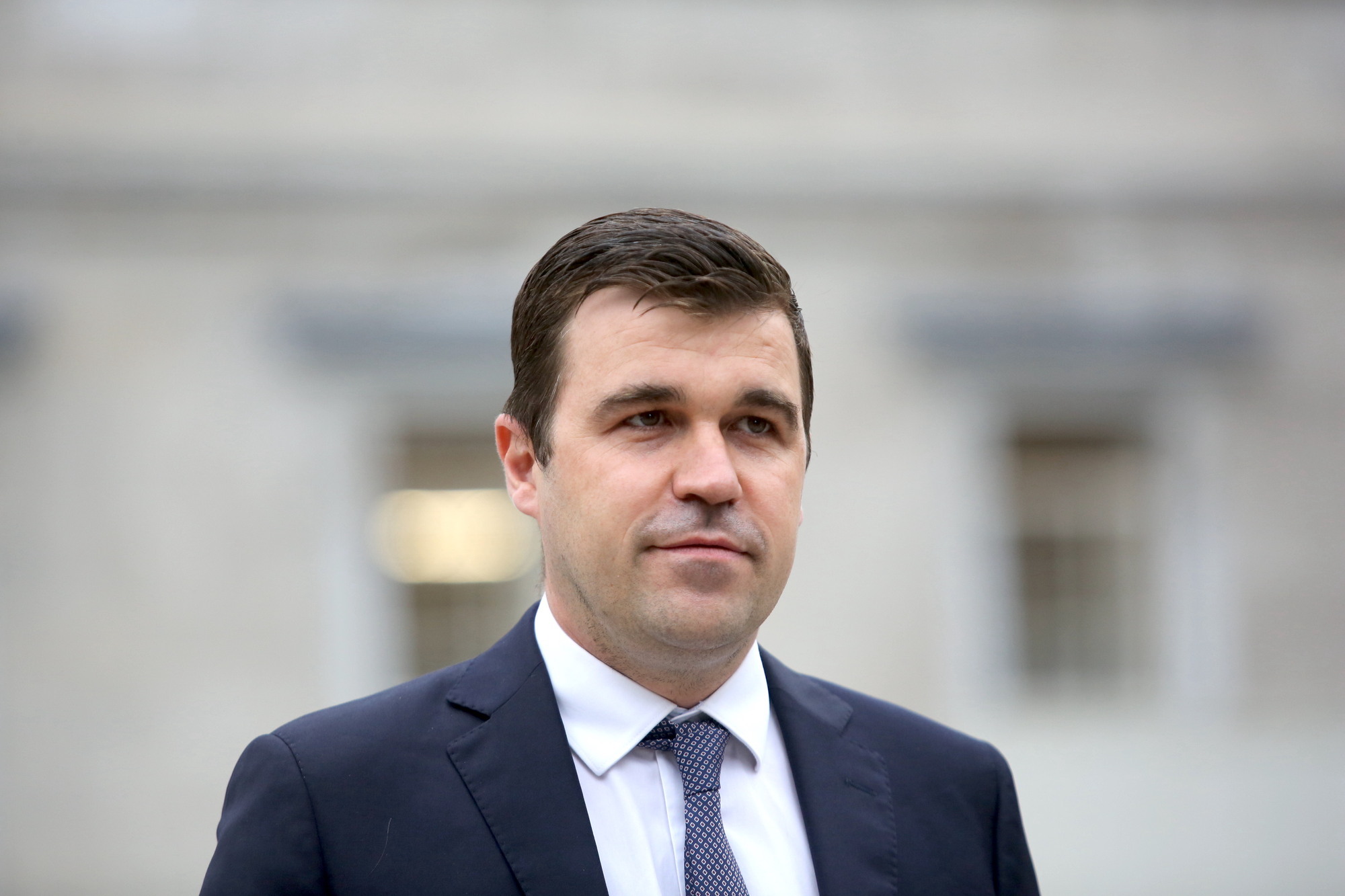
Labour TD Duncan Smith says many public representatives in Ireland have been concerned for their own personal safety during advice clinic hours.
On Friday as news of the horrific murder of David Amess MP emerged, I was preparing for my weekend clinic hours. Constituency clinics are important for us as TDs, they offer us an opportunity to fully understand and engage with local community issues from amenities that may be needed, to jobs that need protecting, to visions for what the area could be like. But they are also of deep importance to the people who visit us on a range of issues.
In a constituency office, many people often come asking their representative for help as a person of last resort. The issues and requests vary and while some matters may be trivial, most are not.
Every day, public representatives across the country do their very best to assist with access to homes, to education, and to childcare. We are asked to identify social welfare services that could help families in financial hardship. Constituents come asking for refuge from challenging situations at home like domestic violence or financial difficulty. People trust us with their personal story, they are vulnerable, they cry, they ask for help for their children, their parents, themselves.
These clinics are vital to stop people falling through the cracks. Many in the commentariat believe they are anachronistic and a symbol of failed, old, clientelist politics. For me, clinics are the opposite. They are vital, keep you grounded to the issues impacting the most vulnerable and help breakdown any barriers between people and the political system.
They act as a reminder that there is always someone there to represent the needs of those who face economic or social difficulties. They are crucial in an open democracy.
However, as has been exemplified once again, they are not without risk.
Unfortunately, I know that many public representatives here in Ireland have been concerned for their own personal safety during these advice clinic hours.

There is a need to have a conversation about how we approach security for public representatives, particularly those who could be at risk of misogynistic or racist attacks. However, in tandem with this must be a conversation about the need for a more respectful type of politics in Ireland.
Homophobia, misogyny, and racism have undoubtedly spread online and manifested into the ‘real world’ of politics in recent years. Public representatives are subjected to all types of abuse and threats online, often by activists from other political backgrounds. We all have a responsibility to show leadership and to encourage compassion and understanding, not hatred and polarisation.
Providing protection at constituency clinics will not stop the spewing of hatred online, it will not stop the defacing of constituency offices as experienced by Deputy Sorcha Clarke last week, it will not stop preventing people from diverse backgrounds entering politics due to a fear of attack.
As public representatives, we need to show leadership and set an example of decency, kindness, and understanding in politics. We need to call out toxic hatred when we see it. We need to protect the special relationship between public representatives and their constituents.
On Saturday, I opened my constituency clinic as usual. The first person to come brought with him a gift of a book and a kind chat. Polarisation, hatred, and anger need not be the markers of the Irish political system. As public representatives, we have an obligation to build a kinder politics to change people’s lives and create a better Ireland.
- Duncan Smith is Labour health spokesperson and Fingal TD