Parents shouldn't bet on a secure future in academia for their children

Postdocs remain one of the most productive groups in research. Effectively they are generators of ideas and funding for permanent (predominantly male) STEM academics.
Parents sending young people to higher education know only too well how expensive it is. They may feel safer having their daughter or son living in student accommodation for first year but that can cost €14,500 per year.
Even if there is a college within commuting distance, the costs are still over €6,000 per year. With all the focus on the importance of research in tackling Covid-19 some of those young people may be dreaming of a career in scientific research.
So, after a four-year undergraduate degree in Science, Technology, Engineering or Mathematics (STEM), followed by a three-year Doctorate degree (a PhD) and five or six years as a postdoctoral researcher, is a permanent job in academia likely? If international trends are anything to go by, probably not.
Under Innovation 2020, the Irish government committed to almost doubling the science budget from €2.9 billion to €5 billion over a five-year period. That includes a 30% increase in the number of Science Foundation Ireland funded postdoctoral research places.
Yet, there is no data on the total length of time spent in postdoc positions, their career aspirations or what happens to them after the end of their contract. The question then has to be asked: whose interests are served by the increased availability of such postdocs?
For the Irish University Association, the purpose of postdocs is undertaking research (mainly under the supervision of permanent academics) and providing career development for the postdoc.

It sees postdocs as having mainly a research role but also doing administration, grant proposals, dissemination, limited teaching and assistance to other research students. It has produced guidelines as regards salaries and job descriptions, but there is no mechanism to ensure these are followed, or to monitor the extent to which career development opportunities are provided.
The Pathway Programme involving 16 successful candidates in STEM, launched in April 2021, is the first indication of a concern with postdoc careers. The identification of both a mentor and letter of support from an academic institution suggest that it is being envisaged that these people might eventually lead a research programme or have an academic career.
But the fact that they must have had a PhD for at least two years before applying, and could have had short contracts totalling three years before starting on this four-year post doc, is an indication of the anticipated length of the career path for the lucky 16. Reflecting a recognition that male dominant leadership in STEM needs to change, no more than half of the 16 are to go to male candidates. There seems to be no interest in the career paths of the thousands of other postdocs in these areas.
Science Foundation Ireland’s Strategy to 2025 identifies a target of 65% of the postdocs getting positions outside academia after six years. This implicitly suggests that one third might remain in academia in some capacity.
This is much more optimistic than the international pattern. In the United States at most only 15 -20% of postdocs get academic positions; falling to under 11% in science and engineering. In the UK only 3.5% of those with science doctorates become permanent research staff at universities.
Most Science Foundation Ireland funding goes to teams and hence potentially to postdocs as part of a team. This maximises the power dynamics in hierarchical relationships between senior permanent academics and postdocs who are highly dependent on them for current employment, future possibilities, references and sponsorship.
This creates fertile conditions for the abuse of power. International research suggests that postdocs frequently end up doing aspects of the permanent academic’s job, whether this is day-to-day supervision of other research students, teaching their undergraduate courses etc.
They had little job security and an uncertain path to a permanent post: with 80% of those currently working in North America or Europe seeing academia as their preferred career destination. Eight out of 10 found satisfaction through their interest in their work. However, the proportion who were satisfied declined after two years.
Nationally, women are less likely than men to be contract researchers. This may reflect grooming by permanent academics when they invite students to do a doctorate with them and to stay on as postdocs under them.
These predominantly male, permanent STEM academics provide sponsorship, which in the overwhelming majority of cases is unlikely to lead to a permanent academic job despite four years of an undergraduate degree, three years of a doctorate degree and five or six years as a postdoc.
Postdocs remain one of the most productive groups in research. Effectively they are generators of ideas and funding for permanent (predominantly male) STEM academics.
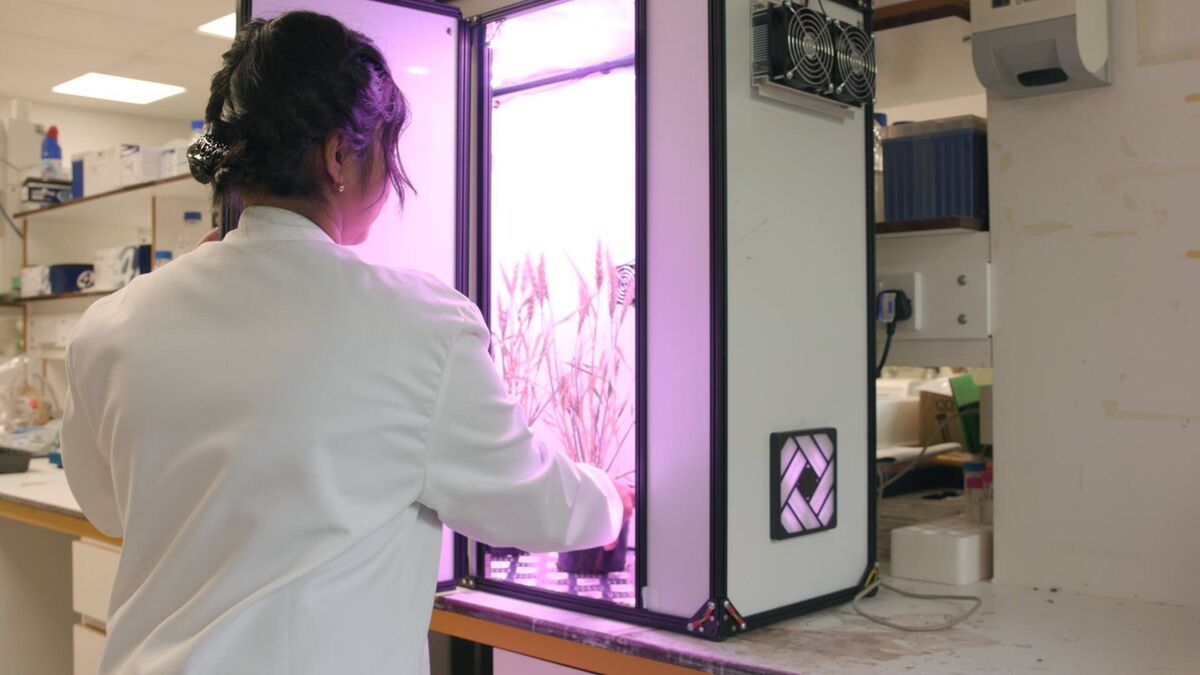
The question needs to be asked: whose interests are being served by increasing the numbers of such postdocs, without any attempt to look at the career prospects of the thousands already in STEM? Is it in the interest of the predominantly male, permanent academics whose careers are advanced by the work of the postdocs or the stakeholders of the research they produce - including Science Foundation Ireland?
So that son or daughter starting college now may, after 12-15 years in higher education, still be no nearer to a permanent job there. If they had started in a supermarket or a fast food restaurant instead, they'd be more likely to have job security, career progression, and a reliable salary.
As the parents fork out the €6,000-14,000 for that first year, maybe the words 'be careful what you wish for' are appropriate.
Read More
- Pat O'Connor is Professor Emeritus of Sociology and Social Policy, University of Limerick and Visiting Professor, Geary Institute, University College Dublin.
CONNECT WITH US TODAY



Be the first to know the latest news and updates