Q&A: What's gone wrong in Fianna Fáil and how is it fixed?
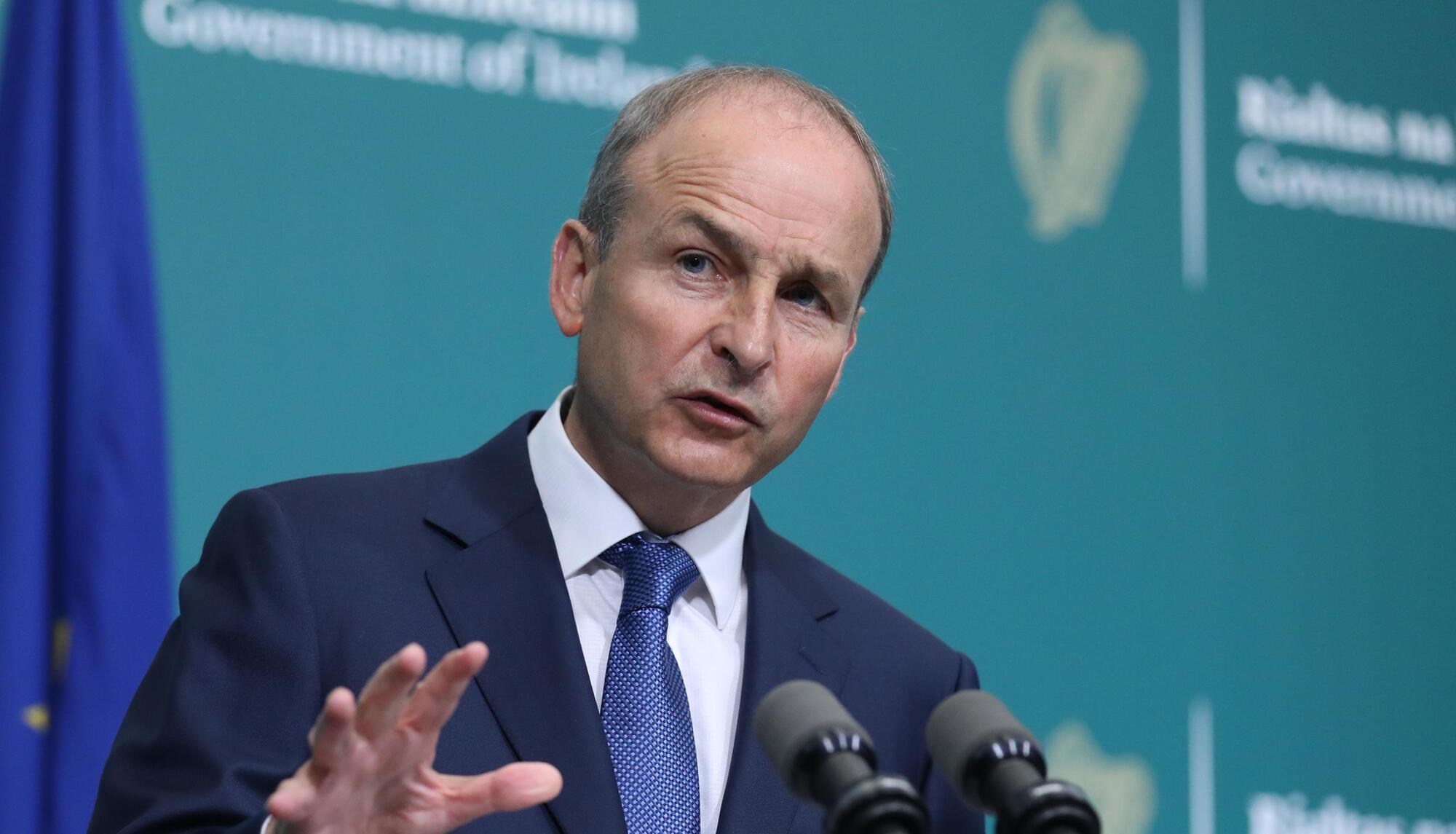
According to an internal party report, drawn up by junior minister Seán Fleming, a number of mistakes led to a poor election campaign. File picture
According to an internal party report, drawn up by junior minister Seán Fleming, a number of mistakes led to a poor election campaign.
The party's national director of elections was appointed on the eve of the general election and there was no committee in place to provide oversight and a strategic view to assist those who were, on a daily basis, in the throes of the campaign.
There was no overall collective approval by any group of members of the party's frontbench of the final election manifesto prior to its publication.
The report also found there was no adequate policy briefing for all candidates during the campaign and there was no effective two-way communications system between headquarters and the constituencies.
During the campaign, there was criticism of the leadership for overly focusing on "another party", believed to be Sinn Féin.
"Justification for this approach was provided, but some members felt the strategy was negative and backfired," the report found.
Social media was also identified as an issue, with the report finding the "performance of the party on social media was the weakest aspect of our campaign both at national and local level".
The report states there is a lack of clarity regarding the party identity, possibly caused by the last Confidence and Supply Arrangement which pushed it too close to the Government "at a time when they were right-wing and deeply unpopular".
It says Fianna Fáil become became "indistinguishable" from Fine Gael, with the majority of members unclear about the party's distinct identity.
The party is predominantly rural and highly reliant on its decreasing core base in defining itself.
It also says the policy on the referendum to repeal the 8th Amendment caused issues for individual members, who said "the public felt the party was not in tune with modern social issues in Ireland" and the party was not strong with "younger, urban voters".
In general, there were "mixed views" of the leadership and frontbench, while a "long trend of leaks" from the parliamentary party meeting amplified in the media was found to be "damaging to the party," creating an impression of a "fragmented party and stifles meaningful debate".
The report comes with 57 recommendations to turn the fortunes around.
"The party needs to prioritise defining Fianna Fáil’s clear identity, that is distinct and differentiates us from others," the report states, adding that young people must be central to this.
It calls for the prioritisation of younger candidates for the forthcoming elections, especially those under 30 years of age, while the Árd Chomhairle must develop and implement an action plan to progress gender equality at every level "as a matter of urgency".
Briefings on policies and issues should be arranged for all candidates.
It also recommends that the party should deal with and "take appropriate action" in respect of leaks from meetings.
It recommended structures should be put in place to maximise the benefit of social media and social media training should be made available to all members, candidates, officer boards and public representatives, in order to foster better engagement with members and supporters to encourage them to interact more on social media.
CONNECT WITH US TODAY



Be the first to know the latest news and updates