The US has failed in every possible aspect of its Afghan mission
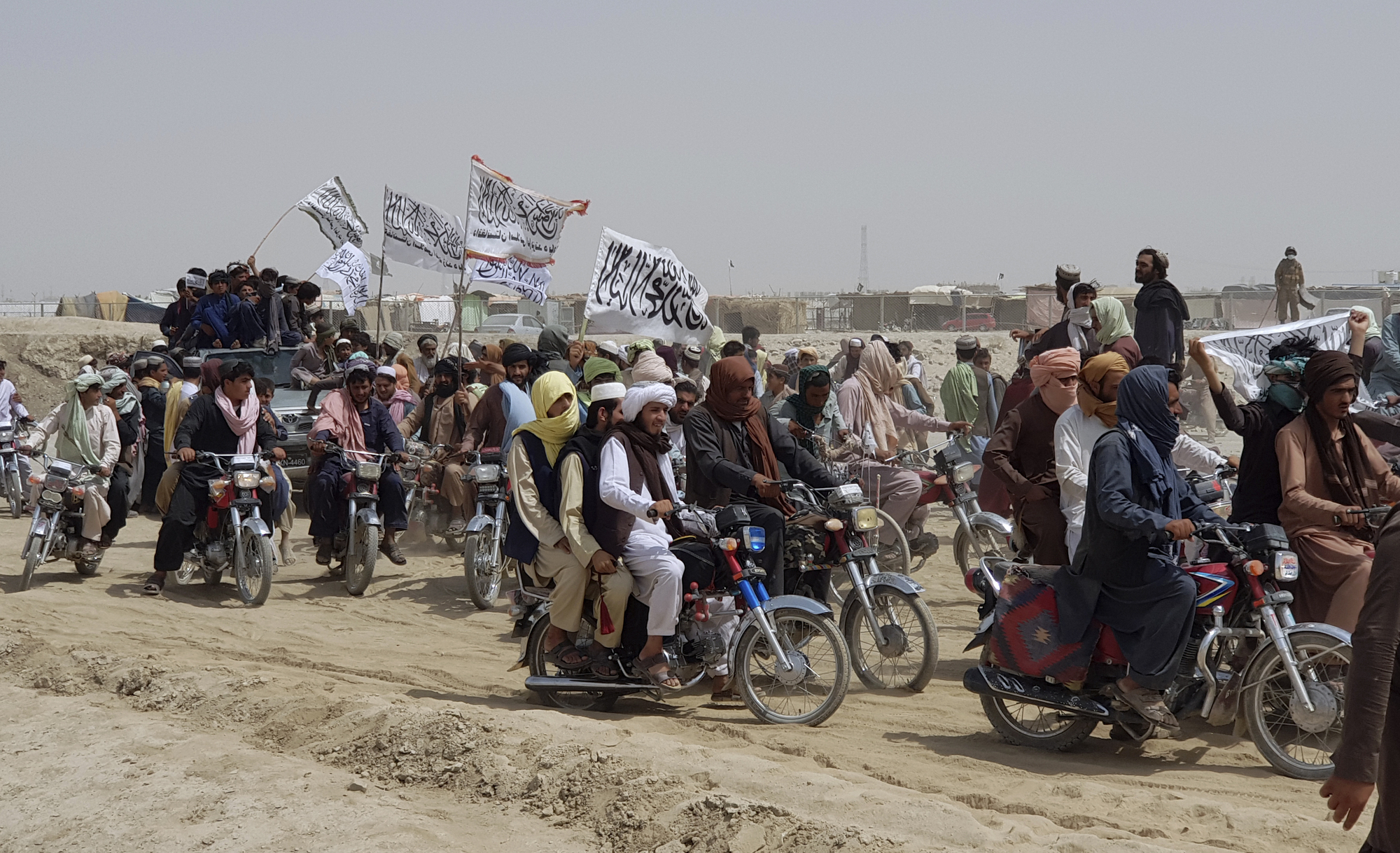
Supporters of the Taliban carrying the Taliban's signature white flags in the Afghan-Pakistan border town of Chaman, Pakistan, on Wednesday. The Taliban are pressing on with their surge in Afghanistan, saying that they seized Spin Boldaka, a strategic border crossing with Pakistan — the latest in a series of key border post to come under their control in recent weeks. Photo: AP/Tariq Achkzai
On 8 July, President Joe Biden announced that the US military mission in Afghanistan would end by 31 August just over a week before the 20th anniversary of 9/11. In his remarks, Biden contended that the ‘military mission hasn’t failed, yet’.
However, it’s hard to assess the US involvement in its longest running war ever as anything other than a failure given it’s unlikely that the Afghan security forces – trained and equipped by Washington – will triumph against the ongoing Taliban onslaught.
The US initiated its retreat in February 2020 under the Trump administration. In negotiations with the Taliban that sidelined the Afghan government, the former president pledged to withdraw all US forces within months.
In response, the Taliban went on the offensive, capturing large swathes of territory leading to several serious reversals for the Afghan military. Nevertheless, the drawdown continued. The American public had had enough of the so-called ‘forever wars’ and ending the mission in Afghanistan had, and continues to have, widespread support.
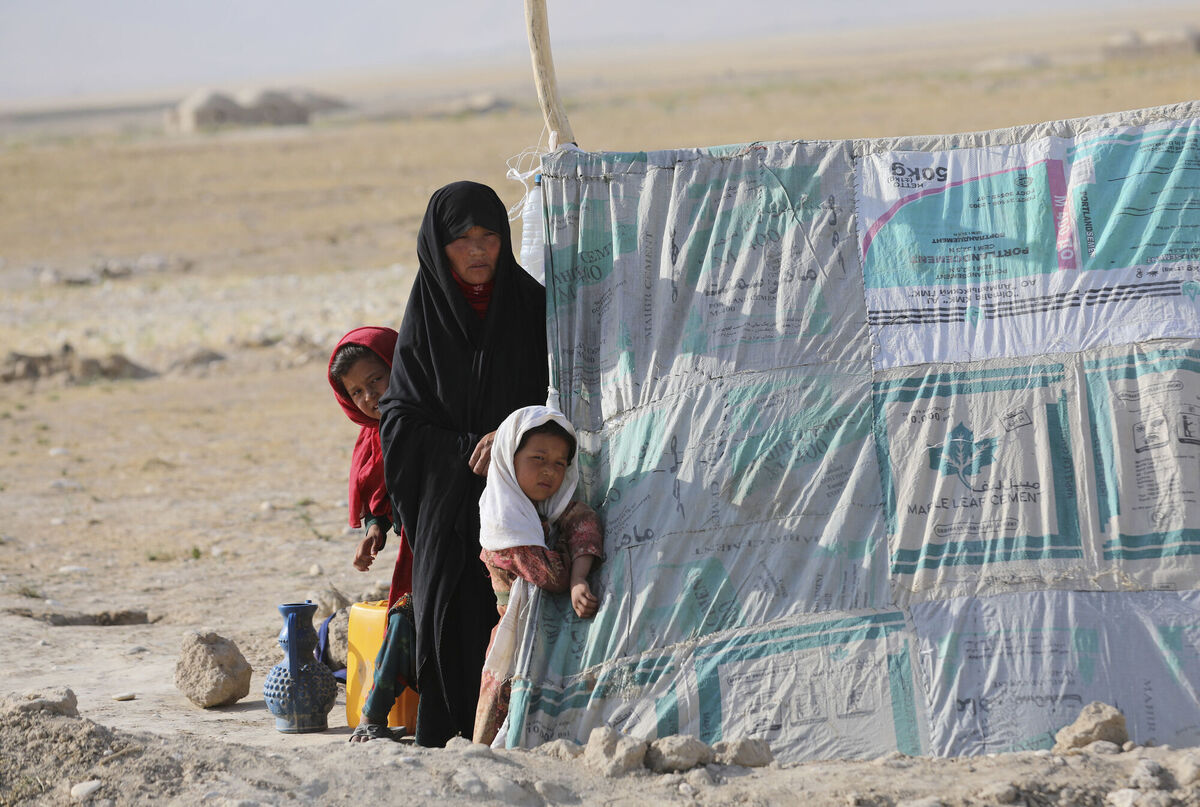
The September 2020 negotiations in Qatar between the Afghan government and the Taliban broke down almost as soon as they began, dashing hopes for peace. The Taliban want an Islamic system with religious leadership, not the democracy delineated in the Afghan constitution.
President Ashraf Ghani has promised the ‘peace of the grave’ to the Taliban if it refuses to negotiate, foreshadowing impending violence. The Taliban are gathering force – more members of its leadership are said to have returned from Pakistan – and gaining strength as they capture US military material from the Afghan military, which is reported to be abandoning its posts.
The Taliban now control the Afghan border crossings with Iran and Turkmenistan and the border area with China. A coalition of Tajik, Hazara and Uzbeks may mount a counter-offensive though any alliance with Ghani (a Pashtun) would be a marriage of convenience rather than offering a stable, sustainable political future.
The decision to invade Afghanistan came within hours of 9/11 – targeted for providing an operations’ base to the al Qaeda leader and mastermind of the atrocity, Osama bin Laden. The US military took just 60 days to rout the Taliban in 2001 but soon after the Bush administration’s attention was redirected to Iraq and Afghanistan took a back seat.
There is a strong argument that the then-weakened Taliban should have been integrated into the new political order of Afghanistan as the Taliban always commanded some popular support, particularly in rural areas. This opportunity was missed, and the vanquished fighters regrouped and re-emerged to fight another day.
Attempts to extricate America from the war date back a decade or more but were stymied by the realisation that withdrawal would leave Afghanistan’s fragile political and security establishment prey to a resurgent Taliban. President Barack Obama was convinced by military advisors that stability could be achieved with continued US support, but this proved elusive.
The advancement of women’s rights was used by George W. Bush as a justification for the invasion of Afghanistan and gains have been made though almost exclusively in urban areas. Custom in rural areas means women and girls still struggle to secure education and other rights.
Women’s rights are enshrined in the 2004 constitution but whether these are respected by the Taliban remains to be seen. Conditioning international aid and legitimacy on the preservation of these protections may encourage compliance but the roll-back of women’s rights in Taliban-controlled areas doesn’t inspire confidence.
Outside interference in Afghan affairs will continue after the US departure. Pakistan supports the Taliban to secure strategic depth in its struggle with India.
Regional powers like Russia, India, China and Iran will continue to pursue their interests in Afghanistan. Neither China nor Russia will desire volatility nearby that may seed unrest among their own Muslim minorities; though the Taliban are already making reassuring statements directed at both these states.
Both Americans and Afghans are war-weary, and the US mission ultimately could not bring peace which, of course, was never its original objective. Biden argues the US mission successfully prevented Afghanistan’s use as a base for terrorists, but it remains to be seen whether the Taliban will again harbour groups like al Qaeda (with whom the Taliban are said to maintain ties).
After nearly 20 years of war, 2 trillion dollars, 3,500 US and NATO deaths and 40,000 Afghan civilian deaths the US mission has failed to secure sustainable protections for Afghan women, failed to establish robust political and military institutions and failed to deliver the stability required to prevent Afghanistan being used as a base for terrorist activities in the future.
That’s failure, writ large.
- Dr Jacqueline Fitzgibbon is a lecturer, researcher and historian.

CONNECT WITH US TODAY



Be the first to know the latest news and updates