Mother and Baby home survivor Clodagh Finn: Stop muting our voices
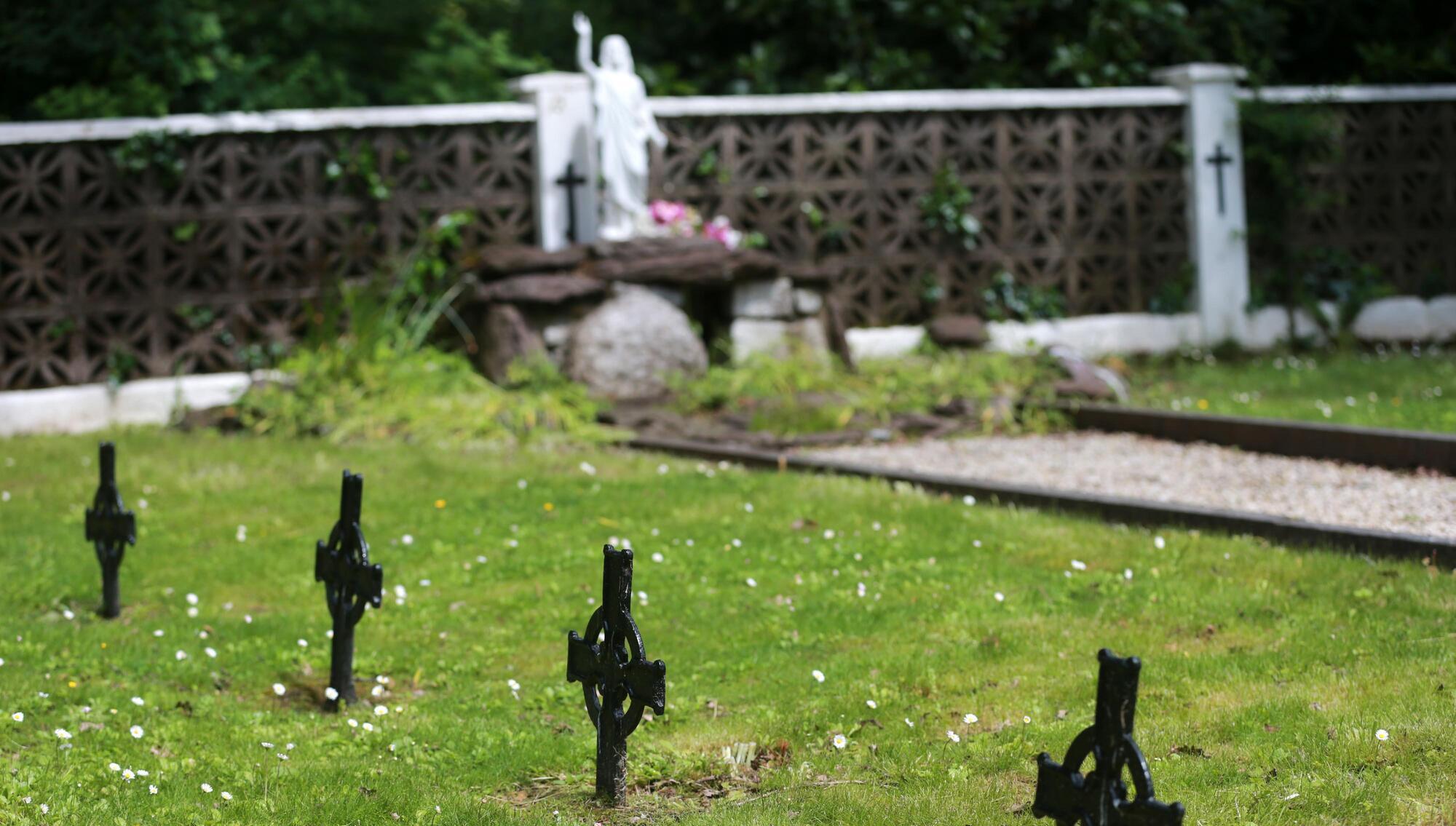
Clodagh Finn: "We owe it to them to ensure that the lived experiences of Irish citizens inform government policy and that they shape the state’s institutions and structures, rather than the other way around." Picture: Laura Hutton/RollingNews.ie
There was a certain irony, for me at least, in the timing.
Just as Prof Mary Daly, a Mother and Baby Homes Commission of Investigation member was telling an online conference, that the testimony of 550 survivors had been dismissed because it did not “meet robust legal standards of evidence”, a copy of my birth cert plopped into my inbox.
I am 53 years old yet I saw it for the very first time this week. I have known for some time that I was christened Bronagh Seána when I was born in St Patrick’s Mother and Babies Home on the Navan Road in Dublin in 1967 but, as we have seen so many times before, this is a very difficult country in which to admit your ‘double life’.
I have my adopted life – a happy, fulfilling one – and my other ‘ghost’ life, the details of which were held from me by the State until very recently.
I’ve been watching the events of the last year unfold not quite with horror but with a familiar sinking feeling that little has changed; the experiences of the people who passed through our mother and baby institutions still don’t hold weight in ‘official’ Ireland.
We saw that in high definition earlier this year when there was an unedifying scramble to retrieve the deleted testimony of the people who should have mattered most in any investigation into the mother and baby institutions of the State.
Now, we have it from a commission member why that might have happened. There was pushback from religious institutions and a fear of legal action, Prof Daly told an academic conference in Oxford.

She was speaking publicly for the first time outside the country rather than at an Oireachtas committee, as repeatedly requested, but that was not the worst of it.
When asked why evidence from the confidential committee – or survivor testimony – was not integrated into the report, she said this: “Well first of all, it would have taken a lot of additional time. It would have taken hundreds of hours of cross checking, re-reading against the other evidence available from registers and so on.”
Is that not what a commission of investigation is designed to do; cross-check and re-read evidence? The Commission left €11m of its budget unspent; ample funds to do this, I would have thought.
Or was the failure to do so more a reflection of a belief – not just by the commission, but within government – that oral testimony isn’t ‘real’ evidence?
Because, as it stands, the people most qualified to talk about the effect of their treatment in mother and baby institutions have been summarily dismissed, while the people who wrote official reports, took minutes, drafted documents have been elevated as the ones qualified to set down the history of my life and lives of so many others.
The last thing I want to do is write about how that feels in a national newspaper but I will because our voices have been muted for too long. It stops now, not just for our generation but the one coming up.
We owe it to them to ensure that the lived experiences of Irish citizens inform government policy and that they shape the state’s institutions and structures, rather than the other way around.
In this decade of centenaries, it might also be interesting to look back and note that the silencing and ‘othering’ of women and their children have been going on since the formation of the State.
I was rocked to read in ‘Mother and child’, Prof Lindsey Earner-Byrne’s excellent 2007 book, that the Register-General in the very first year of our shiny new state inserted a separate column to note the exceptionally high death rate among “illegitimate” children. Those figures were noted every year for decades, but went unremarked.

In 1939, Department of Health inspector Alice Litster wrote this: “The chance of survival of an illegitimate infant born in the slums and placed with a foster-mother in the slums a few days after birth is greater than that of an infant born in one of our special homes for unmarried mothers.”
She’s a heroine of mine, an early whistleblower who was censored. At least her testimony has been restored, so why excise the words of so many others?
Could it be a throwback to that old, offensive term “illegitimate”? For most of the State’s history, the children born in mother and baby institutions were labelled “illegitimate”.
I was called that name in school. Yet, the ‘status of illegitimacy’ was not abolished until 1987. I mention it because even though the offensive word is off the statue books, the idea that survivors and their children are somehow ‘less than’ has persisted and seems to have been stitched into the way we do official business.
There were fine speeches yesterday calling for questions to be answered and a new commission. All welcome. There was talk of healing too.
Commendable. But what we really need is truth, accountability, redress and, most importantly, to find a way forward that tweezers out the fine particles of prejudice and misogyny that continue to affect the lives of so many mothers and their children.