Media blackouts can save lives — but only if social media plays its part
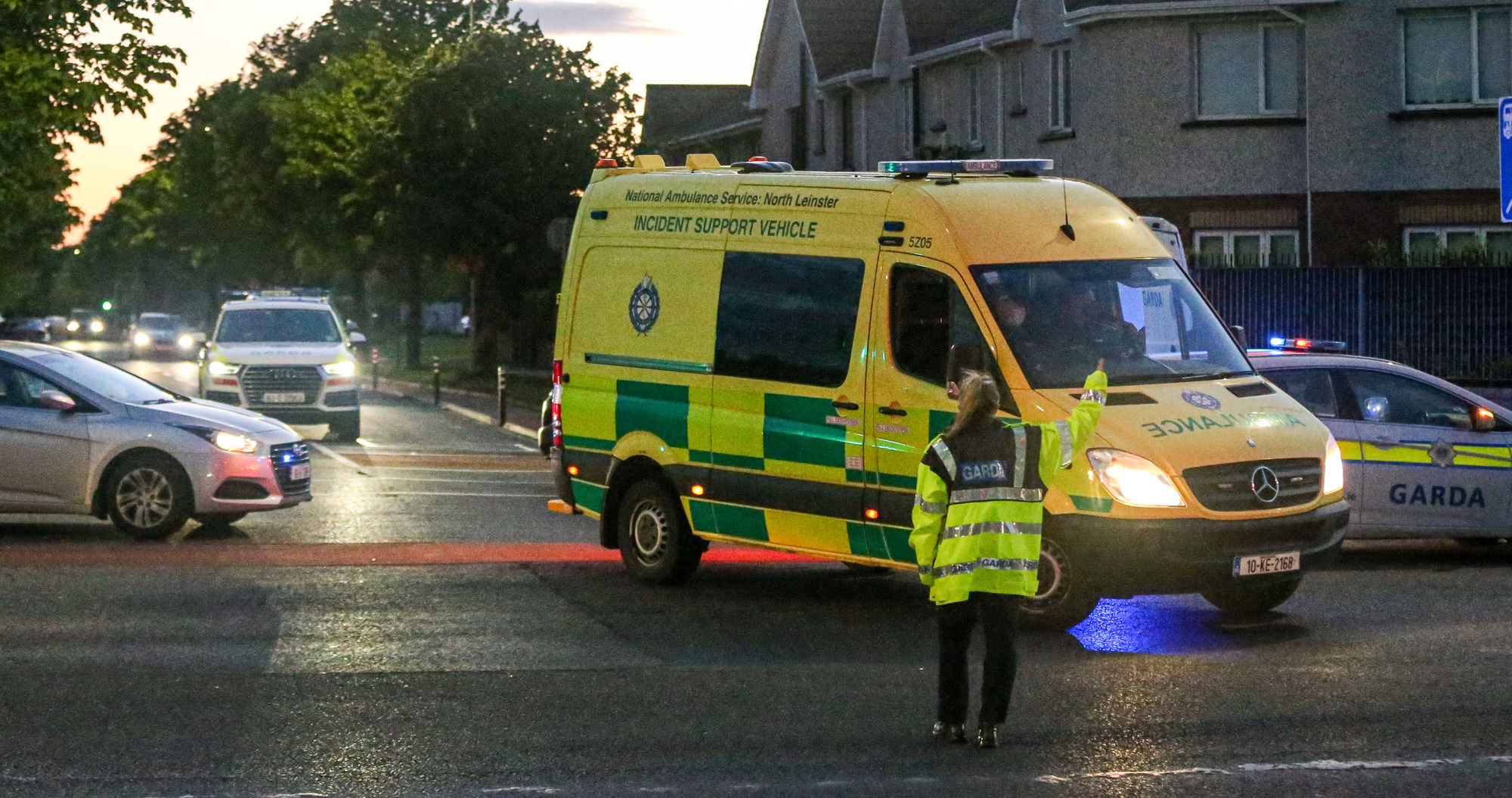
Armed gardaí and ambulance personnel leaving the scene following the conclusion of a standoff with an armed man in Blanchardstown, Dublin, on Tuesday night. Picture: Damien Storan
On Tuesday evening, my phone buzzed with news of an incident in Whitechapel, Clonsilla, near where I grew up.
Shortly after followed an email from the Garda Press Office saying that the incident, which would later turn out to be the shooting of two gardaí, was subject to a media blackout. This curbed any journalistic impulse I had to tweet about the story, but as the evening wore on, it was clear that I was one of few who stayed off social media.
Within an hour, as videos and photos flooded Twitter and Snapchat, as locals drawn for a look filmed and took pictures, the media remained silent on the request of gardaí.
It's a strange feeling to watch the place you call home become the centre of the online conversation, as on Tuesday. Strange to see videos discussed that are shot from the field you played football in, or feature people you know. It's strange to see those discussions become inaccurate and wildly speculative, casting aspersions on the people of the community. It's even stranger as a journalist to not be able to correct those mistakes because of Garda diktat.
An Garda Síochána uses blackouts sparingly, so they are not a pervasive tool used to stop the media from covering events wholesale and Garda members will say that they are a best practice move, aimed at ensuring that already bad situations are not further enflamed by a potentially vulnerable and volatile person hearing details on the news.
They are confident that blackouts do work and, in situations such as Tuesday's, they stop an escalation of a problem and potentially save lives.
But as Tuesday showed, there is no way for gardaí to stop the spread of information, and misinformation, around events like this.
The nature of modern communication means that a phone is an easier broadcast setup than anything housed in Montrose or Ballymount and the videos shot by late arrivals to the scene lack, not just focus, but crucial context and, often, veracity. Gardaí are now looking into what can be done to enforce these blackouts on social media, but with WhatsApp encryption and the ability to take and send video in the app, it is fairytale thinking to believe primary legislation would do anything but criminalise sending these videos.
All the while, the media stands idly by, gathering and verifying information because of a voluntary code of practice. Blackouts are not binding and rely solely on the goodwill of the media, something of which gardaí are keenly aware.
There will come a time when a media organisation decides the public right to know outweighs the operational commander's call. And it may well be the right decision to do so.
I think of a call made by my colleague Daniel McConnell last year when he named the school which had been identified as having had a Covid-19 outbreak. It seems quaint in these times of schools being listed on spreadsheets kept on public accounts, but at the time it was a judgement call to make and was done for a number of reasons, including the misidentification of schools across Dublin.
There is no doubting the honest intention and application of the media blackout from the side of An Garda Síochána and Tuesday's incident goes way beyond how the media could have been better accommodated. But by the time Wednesday morning came around, the media was already fighting misinformation created in a vacuum and that isn't just bad for journalists, it is bad for everyone.
CONNECT WITH US TODAY



Be the first to know the latest news and updates