ieExplains: What is the dark web and why do criminals use it?
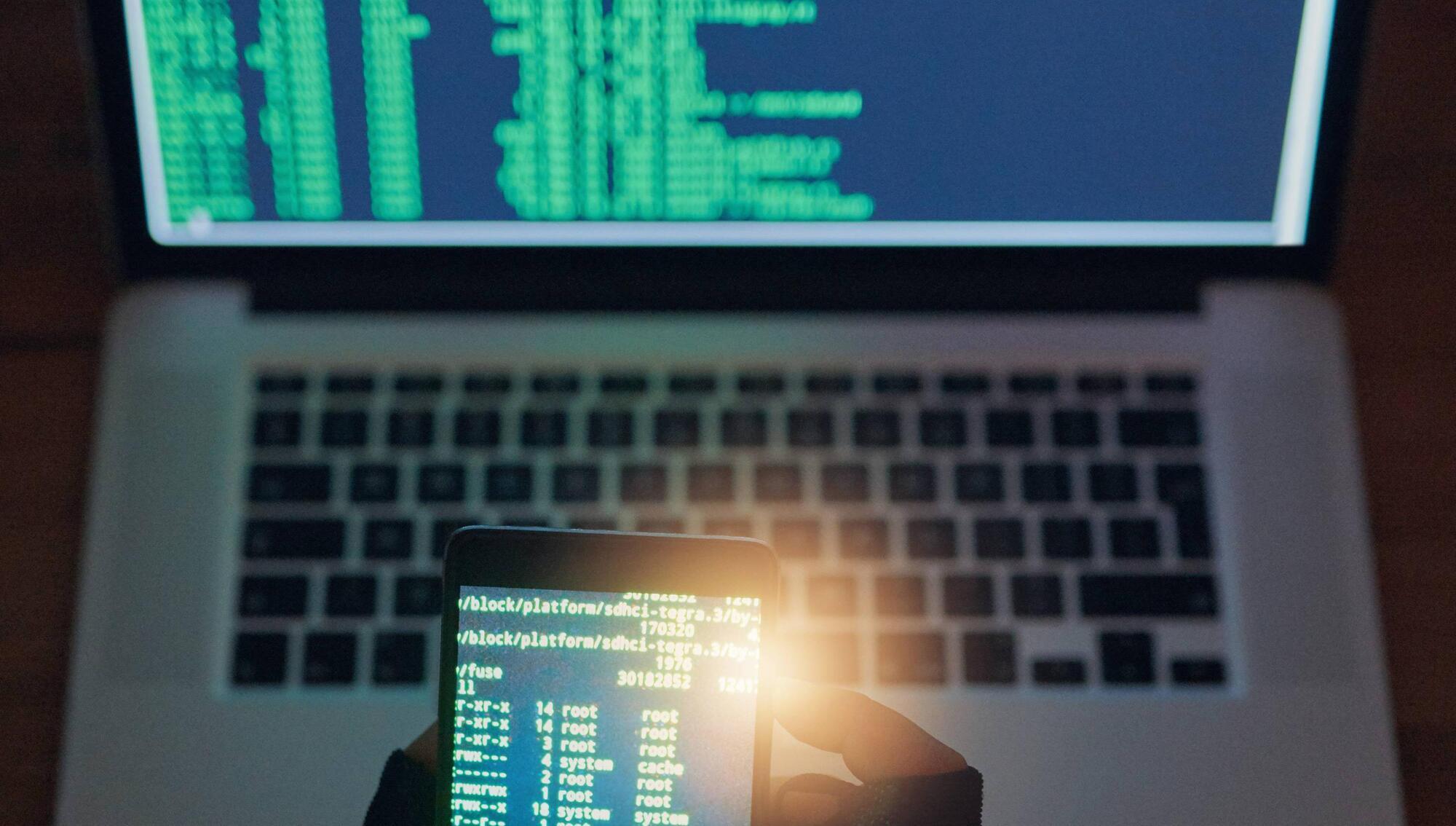
The main reason someone would access the dark web would be to make use of the extreme privacy and anonymity it provides. How this anonymity is used is a different matter. File Picture: iStock
The Government and the HSE have confirmed that, as a result of the ransomware cyberattack on the health service last week, sensitive patient data stolen by cybercriminals will likely appear on the dark web from today on.
But what exactly is the dark web, and why do cybercriminals use it?
We answer some of your questions below:
The dark web is not the internet you or I use every day.
Almost every website you can think of exists on the 'open', or 'surface' level of the internet.
To get on sites like Google, Amazon, and Facebook, all we really need is an IP (Internet Protocol) address - essentially the internet identity code of our computer or smart device. This code allows us to establish a connection with the sites and services we use every day.
Below the surface web lies the 'deep web' - the section of the internet that houses sites and databases containing information not openly indexed by search engines - think online purchases, bank transactions, medical records etc.
These sites are generally protected and can only usually be accessed by certain authorised persons.
Within the deep web exists the 'dark web', so-called because of the shadowy and often illicit nature of many of the sites found on it.
The majority of the dark web sites are not readily accessible to the average internet user because they are hidden behind multiple layers of encryption, meaning that those who operate the sites, and those who use them, cannot be identified.
To access the dark web, a person needs to make use of a specialised encryption tool, the most notable of which is called Tor (The onion routing project).
Tor acts as a sort of browser that reroutes a person’s IP address through many other devices around the world, encrypting and decrypting it as it goes.
In this way, the identity of someone visiting the dark web is hidden. Those who run dark web sites conceal their identities in the same way.
The main reason someone would access the dark web would be to make use of the extreme privacy and anonymity it provides. How this anonymity is used is a different matter.
It should be noted that not all uses of the dark web are nefarious.
A journalist operating in an authoritarian state might wish to use the dark web to gather and share information. Whistleblowers too have been known to use the dark web to disclose information without fear of reprisal.
People who have been cyberstalked may also choose to use the dark web to fully maintain their online privacy.
However, a majority of the activity on the dark web relates to illegal activity, and this is what has created headlines over the last decade or so.
The anonymity the dark web ensures means hackers, extremists and criminals of all descriptions can use it to operate in the online world.
Indeed, a 2016 study by King's College in London found dark web black market sites advertising, among other things, the sale of firearms and weapons, drugs, and even hitmen for hire.
The study also found dozens of sites and forums espousing extremist ideologies, including terrorism.
Sites dedicated to financial and cybercrime activities like money laundering, currency counterfeiting, the trading of stolen bank cards and accounts, hacking services, and the distribution of harmful computer software like malware were also noted in the study.
The infrastructure of the dark web developed alongside the internet that we all know.
In the 1990s, US security services realised there was a need for some sort of system that would hide and therefore protect the communications of their personnel online.
From this research came Tor and some of the other networks that allow users to access the internet anonymously.
Those who developed Tor did so because of their belief that users should have private access to an uncensored version of the internet.
From this 'wild west' vision of the internet sprang dark web sites.

The cryptocurrency bitcoin is the primary currency of the dark web and without it, the dark web might not function in the way it does.
Bitcoin, and other similar cryptocurrencies, essentially facilitate the anonymous sale and purchase of goods and services on the dark web.
No, not exactly. The dark web, like the normal internet, is a massively complex system interconnected with countless servers all around the world.
The most law enforcement agencies can hope to do is target individual sites engaged in illegal activities - and several of these have successfully been taken down in the past.
This is an expensive and time-consuming effort however, given how difficult it track down those behind them and, more often than not, as soon as one site is shut down, another usually pops up in its place.
Governments have been introducing new regulations aimed at regulating the cryptocurrencies which fuel the dark web, as well as allocating extra resources to policing it, but as with many crimes in the online arena, it may be some time yet before the law catches up with the technology involved.
CONNECT WITH US TODAY



Be the first to know the latest news and updates