Without intervention, millions more will be pushed to brink of starvation
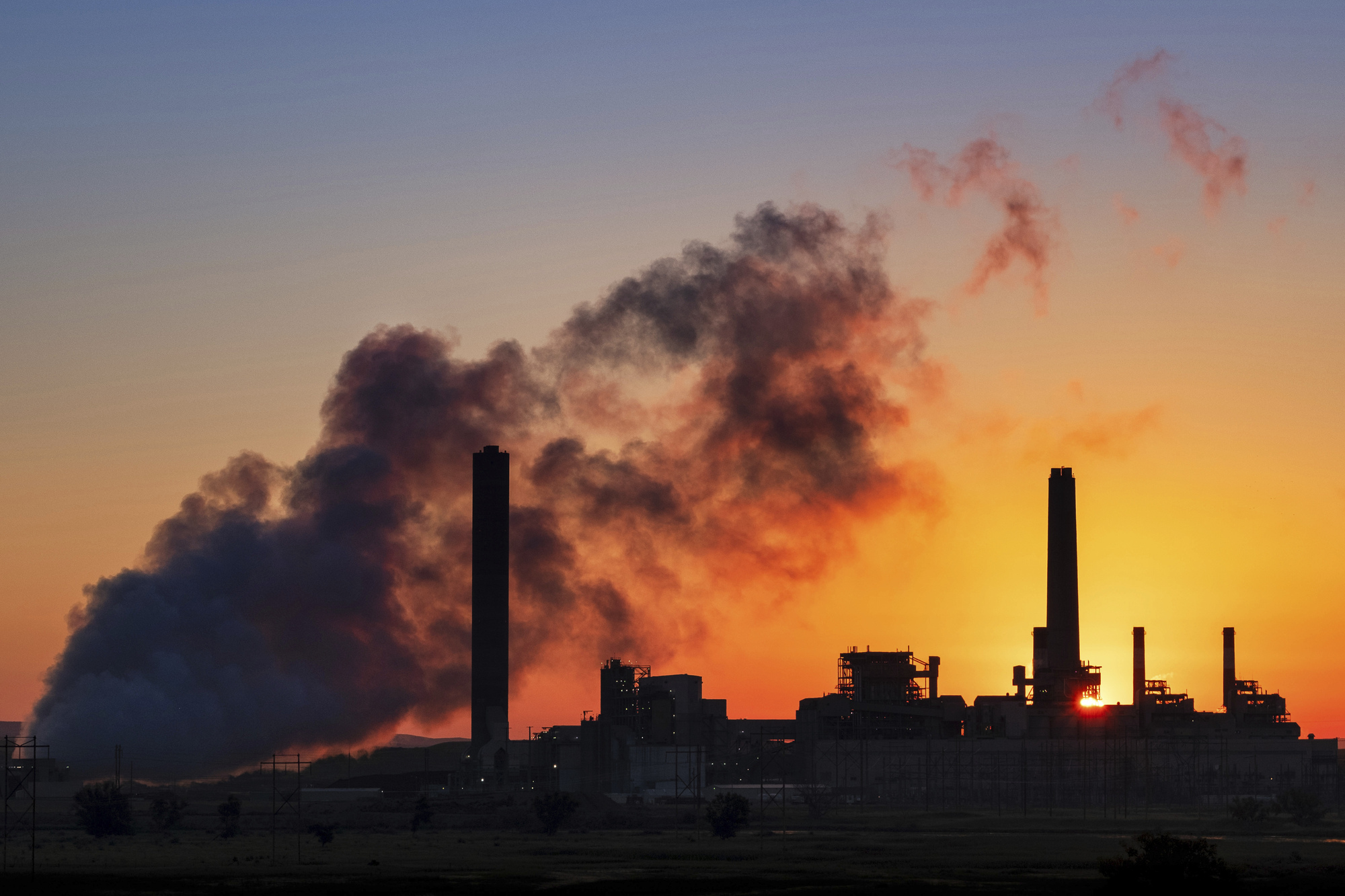
Wealthier countries must play their part in taking action against the climate threat by urgently cutting their emissions. File picture:Â David Ake/AP
Two important events took place last week concerning some of the most urgent crises facing humanity.
Hundreds of organisations across the world marked one year since the UN warned of a âfamine of biblical proportionsâ due to deepening crises because of more frequent natural disasters, changing weather patterns, and conflict. Crises only made worse by the pandemic.
Responding to this grim milestone, they published an open letter calling on world leaders â particularly those from wealthy nations â to urgently increase aid and prevent 34 million people from being pushed to the brink of starvation this year. Despite advances made in recent years, the pandemic, coupled with conflict and climate change, could push millions more into extreme hunger, setting back the fight against poverty by a decade.
Later in the week, US president Joe Biden hosted 40 world leaders at his virtual Earth Day summit. Political leaders pressed to make new commitments to reduce their greenhouse gas emissions and fight for the goals of the Paris Climate Agreement.Â
77% of #Irish people support the Irish Governmentâs provision of funding to tackle global poverty, injustice and inequality #WorldviewIRL #IrishAidWorks @brophytalks @Irish_Aid @dfatirl @SuzanneKeatinge @banda_ie @GOAL_Global @trocaire @masi_asylum @ask_direct pic.twitter.com/QY6YdWe6fx
— DĂłchas (@Dochasnetwork) April 28, 2021
Given the significance of these events, there has never been a more fitting time to talk about climate change, food insecurity, and hunger. In August 2019, the UNâs Intergovernmental Panel on Climate Change (IPCC) published its Special Report on Climate Change and Land.Â
The document looked at the impacts of a changing climate on the land and its ecosystems, focusing on topics like soil degradation and shrinking water supplies, as well as solutions for sustainable land management and food security. The report laid bare the critical issues we are facing as a global community and the life-or-death challenges being faced by the communities with which Oxfam works.
In fact, more than half of the IPCC documentâs authors were from developing countries, reflecting the vital role these nations play in both climate change decision-making and research, particularly when it comes to land and food security. After all, it is the developing worldâs communities that are most affected by hunger and food insecurity, both of which are now a greater threat because of climate change.
Today, our global food system feeds the majority of the worldâs population and supports the livelihoods of more than 1bn people. Yet tragically, according to the latest Global Hunger Index, some 690m people remain undernourished while 144m children under the age of five suffer from stunting â a sign of chronic malnutrition.Â
A further 47m children are suffering from wasting, severe weight loss that, without the proper treatment, can be fatal. The food system is already feeling the stress of non-climate influences such as conflict, which is the biggest driver of global hunger.Â
Add temperature increases, unpredictable rainfall patterns and extreme weather events to these non-climate-related pressures and the food system will continue to buckle. Climate change alone will lead to lower crop yields and higher food prices affecting the worldâs most vulnerable communities including the 3.1bn people, or the poorest half of the worldâs population, who were responsible for just 7% of emissions between 1990 and 2015.
The IPCC report highlights that higher temperatures and more extreme weather events are having a severe impact on food security, particularly in Africaâs drylands, parts of the Mediterranean, and mountainous areas of Asia and South America. The communities we work with around the world can attest to these changes.Â
In Burkina Faso, for instance, mothers like Ouedraogo Aguiratou have witnessed climate change wreak havoc on the land they rely on for their very survival. The 39-year-old farmer says her land has been getting poorer, and harder to cultivate. When the rains come, they wash away the soil she needs to grow her crops.Â
Widow Aminiata Diallo, also from Burkina Faso, is suffering too as a result of climate change. In her community, water is so scarce that they can only cultivate a third of their land.

According to the IPCC, adaptation strategies are key to reducing, even avoiding, the negative impacts of climate change on food security. Work is being done by communities with support from organisations such as Oxfam to build boreholes and install water pumps in communities struggling with drought as a result of climate change.Â
Farmers are learning adaptation techniques, such as how to fertilise the soil with compost and prevent soil being washed during the rainy season. However, the IPCC also warns that there are limits to adaptation if climate change continues unabated.Â
Wealthier countries must play their part in taking action against this deadly threat by urgently cutting their emissions and supporting vulnerable nations with climate finance for new, robust, life-saving adaptation strategies. After all, during a 25-year period of unprecedented emissions growth, it was the richest 1% who were responsible for twice as much pollution as the poorest half of humanity.
In addition to tackling the climate crisis head on, as was done for the pandemic, global leaders must fund the UN food security appeal to help those most at risk now, and work to end conflict and achieve a global ceasefire.
Without these interventions, millions more will be pushed to the brink of starvation.
- Jim Clarken is chief executive of Oxfam Ireland and a member of the Irish Human Rights and Equality Commission
CLIMATE & SUSTAINABILITY HUB