Niamh Griffin: UK's roll of vaccine dice could be a boon to Ireland
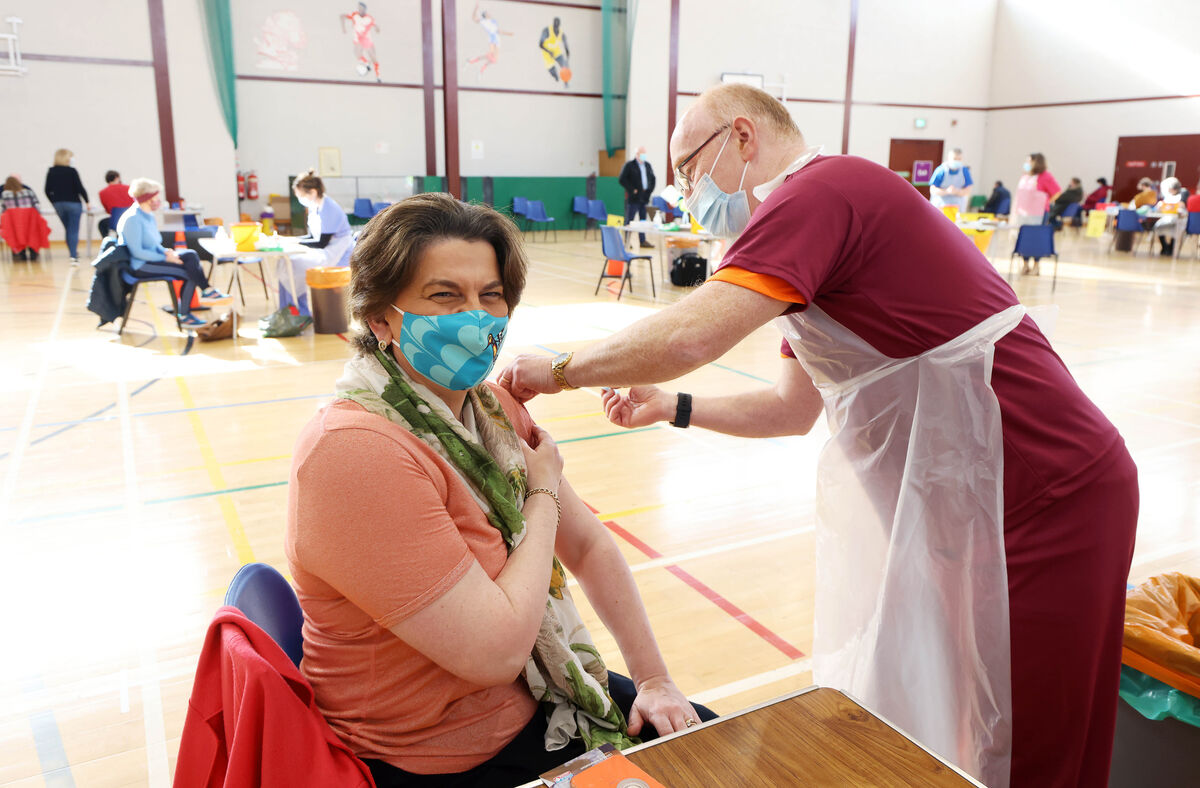
Northern Ireland First Minister Arlene Foster has said she will ask prime minister Boris Johnson to share excess vaccines with Ireland.
The UK took a gamble with choices around the vaccine rollout. Now that seems to be paying off and could possibly benefit Ireland too.
Up to Saturday, March 27, some 839,609 vaccine doses were given in Northern Ireland alone, and more than 29m people in the UK have at least had their first dose.
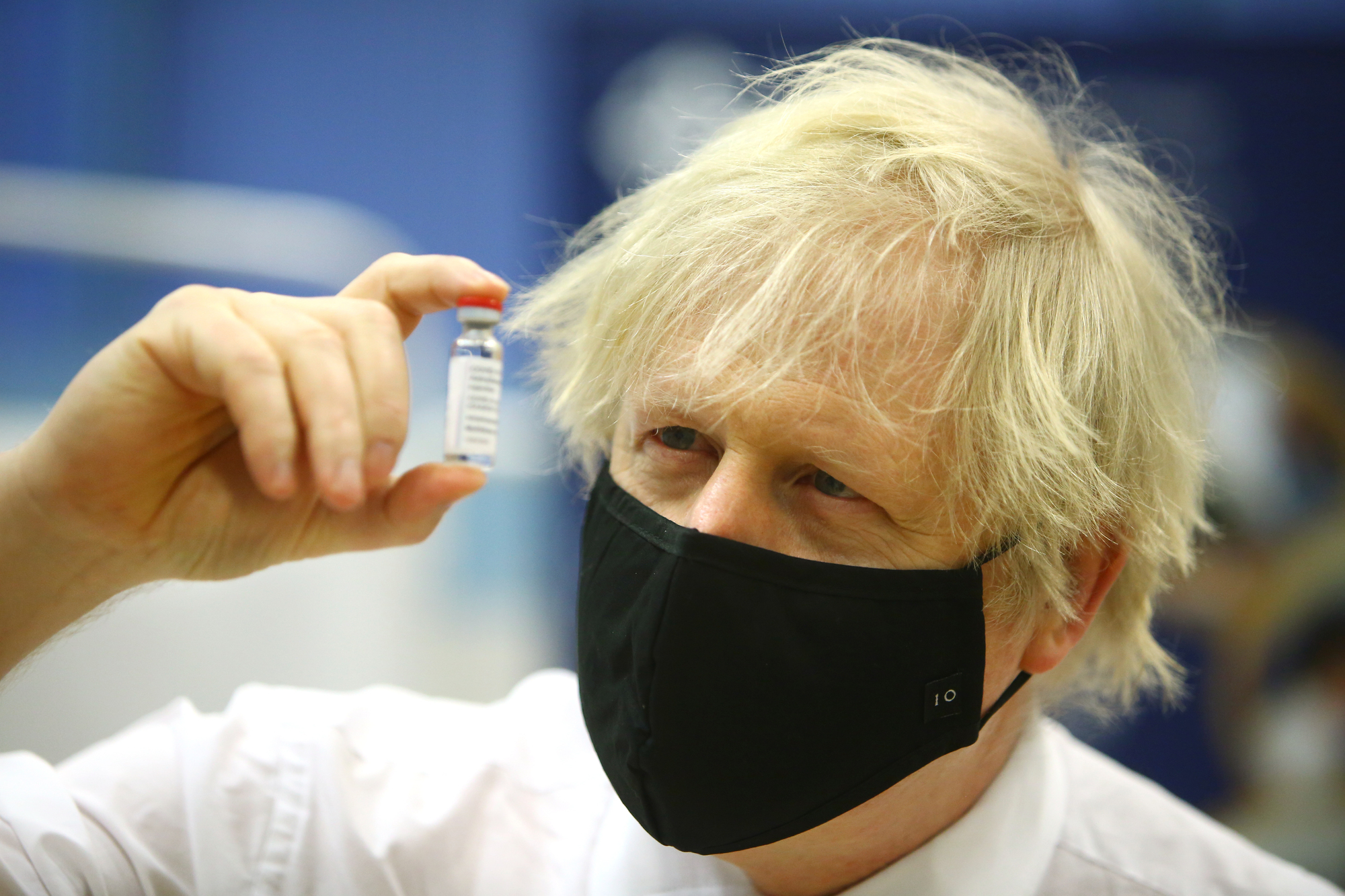
Concerns are growing in Stormont about the slower Irish rollout. First Minister Arlene Foster has now said she will ask prime minister Boris Johnson to share excess vaccines with Ireland.
It is quite the change from 2020, when Ireland watched as British health experts scrambled to curb a staggering Covid-19 death-rate.
The turnaround started when the British health regulator granted emergency-use authorisation for the Pfizer/BioNTech vaccine on December 2, weeks before EU approval.
The next deviation came after Fermanagh woman Margaret Keenan became the first in the world to get a Covid-19 vaccine on December 8.
The plan then was to follow Pfizer’s guidelines and apply a 21-day gap between doses.
But chief medical officers in Northern Ireland, Scotland, Wales and England were watching Covid-19 numbers with concern.
On December 23, they were notified of 744 deaths. In late December, the daily case count hit 50,000 and kept rising.
To the world’s shock – and interest – on December 30, the UK suddenly switched to a 12-week gap between doses.
Pfizer was not on board, immediately issuing a statement saying its trials did not support this.
But the chief medical officers insisted: “In the short term, the additional increase of vaccine efficacy from the second dose is likely to be modest; the great majority of the initial protection from clinical disease is after the first dose of vaccine."
The aim was to get protection to more people in a shorter time, according to the government’s Covid-19 greenbook.
This was based, the book says, on Pfizer trials – showing an efficacy of 89% between 15 and 21 days after the first dose.
The British Medical Association was aghast. Worried for confused patients, doctors threatened to ignore the change.
Dr Alan Stout, GP representative for the BMA in Northern Ireland, said they certainly had concerns.
But he said: “Actually in hindsight, the decision has been shown to be a good one because we haven’t seen any significant increase in infections for healthcare workers, which was one of our concerns.
Queens University Belfast virologist Connor Bamford had been worried about risks for partially-vaccinated people, but three months into the experiment, he too is less concerned.
Public Health England published a pre-print in March showing “protection against symptomatic Covid, four weeks after the first dose, ranged between 57% and 61% for one dose of Pfizer and between 60% and 73% for the Oxford-AstraZeneca vaccine".
Lockdown restrictions probably helped reduce the risk, Dr Bamford said.
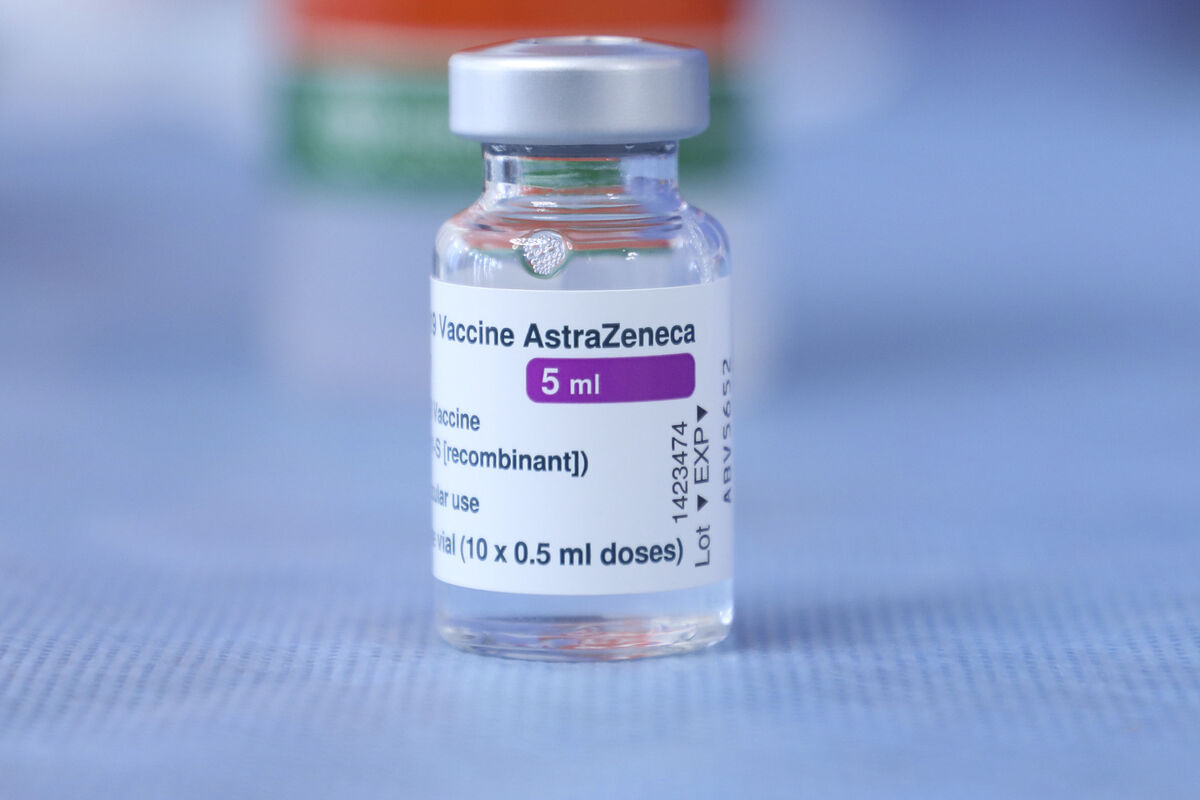
Now the majority of vaccines given “by a fair distance” are Oxford/AstraZeneca, said Dr Stout. This rollout also started under emergency authorisation.
A 12-week gap is used with this vaccine, as in Ireland. But unlike Ireland, it is given by GPs and to all over-18s.
Department of Health NI data shows GPs gave 385,000 doses up to Saturday, March 27.
Dr Stout said:
More than 11m AstraZeneca doses were given in the UK without reports of cerebral blood clotting, so the Medicines and Healthcare products Regulatory Agency (MHRA) did not advise any pause in the rollout, unlike Ireland.
For Dr Stout, it is crucial Ireland has re-started, but he said about the pause: “It took us a wee bit by surprise.”
Dr Bamford said safety was really important, but that "we have to balance that with safety in having the vaccine".
“I think a lot of countries looked at Europe, and even countries in Europe looked at the people who were doing that, thinking what were they doing?”
The focus in Northern Ireland now is on winning the vaccines versus variants race.
NI health minister Robin Swann plans to have at least the first dose to all adults by late July, despite AstraZeneca reducing shipments for April.
Restrictions stay in place for now, and Dr Bamford warned: “More variants can pop up within our borders if we let the virus spread.”
He said: “The B117 is deadly. Our restrictions and the vaccines do work well against it but it can still make our lives a lot more difficult.”
Meanwhile the vaccines’ impact is clear – 98 deaths notified on March 24 and a seven-day average of just over 5,500 cases across the UK.
Both experts expect to see a slow return to normal running into 2022.
Dr Stout said: “We are doing a very slow and steady cautious re-opening, I think we have all learned that over the past year.”
And a closer relationship between the Irish and British vaccine programme is to be welcomed, said Dr Bamford.
“You have to start thinking about increasing the vaccination across the island of Ireland and across Europe, our closest neighbours,” he said.
CONNECT WITH US TODAY



Be the first to know the latest news and updates