Daniel McConnell: Ireland stands to lose in row between EU and UK
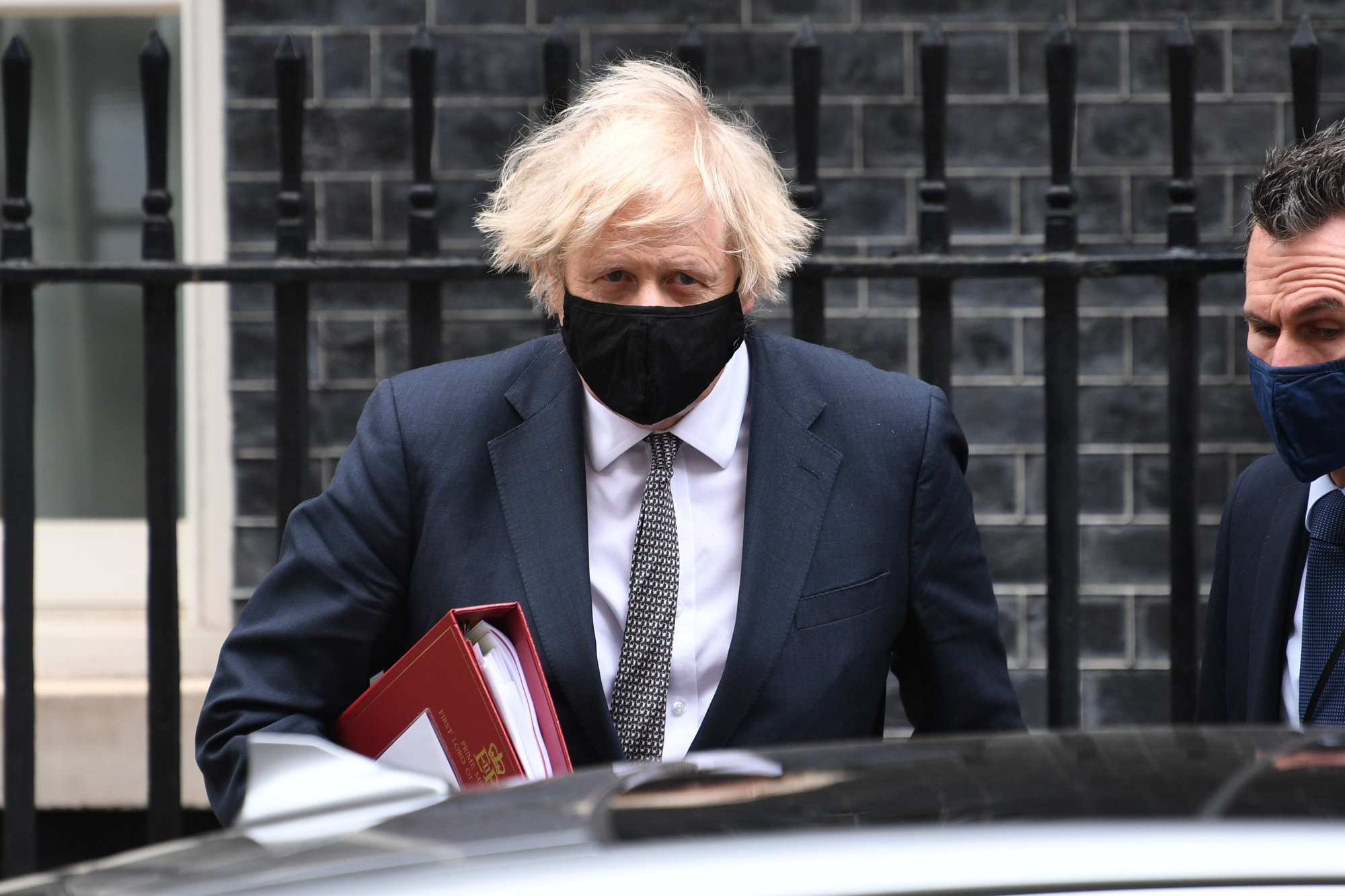
There is tangible anger at Britain, particularly in France and Germany, over the continued failure of AstraZeneca to deliver on its contractual engagements in terms of vaccine rollout.
The mounting row between the European Union and the United Kingdom over access to vaccines exposes Ireland’s precarious position in a post-Brexit world.
The European Union has strengthened its rules on the export of Covid-19 vaccines, giving it clearer rights to block shipments to countries such as Britain with higher inoculation rates and to those not exporting their own vaccine doses.

The move risks stoking post-Brexit tensions with London, which has warned Brussels against “vaccine nationalism”.
EU trade chief Valdis Dombrovskis told a news conference the export authorisation mechanism was not targeting any specific country but the context of what was being done was perfectly clear.
This followed the news of a showdown with the United Kingdom over a stockpile of AstraZeneca vaccines, said to number up to 30m doses.

Brussels suspects the British-Swedish company of building up a stockpile of the vaccine produced in a Dutch factory and finished in Italy, that officials estimate runs into tens of millions of doses that are awaiting delivery.
While some of the EU’s bigger players are clearly vexed by the reality that Britain has locked AstraZeneca into a preferential contract for delivery, from an Irish perspective, Taoiseach Micheál Martin has come out very strongly against introducing any sort of trade barriers.
In the Dáil on Wednesday, Mr Martin said he fully supports all measures designed to ensure that AstraZeneca fulfils its contracts with the European Union.
"In addition to that though, I very strongly am committed to the principle of keeping supply chains open. That is the most fundamental way to guarantee supply, particular in quarter two,” he said.
Mr Martin made it clear to TDs that during the meeting with EU leaders on Thursday, he will set out his position that he “does not support actions that would disrupt vital supply chains and undermine vaccine production when the situation remains so fragile”.
"Of course, the European Union must continue to hold to account those companies with which it has entered into contracts. There must also be transparency as to the numbers and destinations of vaccines that are produced,” he said.
Since the formal process of Brexit and the EU’s cock-up on January 29 over the move to trigger the Article 16 ban on imports into Northern Ireland, tensions have been running high.

The Taoiseach's stance on opposing the move to introduce any sort of restrictions risks bringing us into conflict with European allies but is one driven clearly from recent discussions he has had with the big pharmaceutical companies, many of whom have bases here.
The glacial pace of approving and rolling out vaccine supply has allowed leading critics of the EU to point to its inability to meet this crisis in a timely and effective manner.
While we have heard promises of supply ramping up from next week, we have heard such promises before.
Escalating tensions with the UK only increases the potential for retaliatory measures, which would be good for no one.
The bottom line is that in any row between the UK and the EU, Ireland stands to lose.