Dr Elizabeth Brint: What’s the best Covid-19 vaccine for you? The one you’re offered
All vaccines currently available offer excellent levels of protection and are safe vaccines – take whichever one you’re lucky enough to be offered, writes immunologist Dr Elizabeth Brint
Dr Elizabeth Brint: What’s the best Covid-19 vaccine for you? The one you’re offered

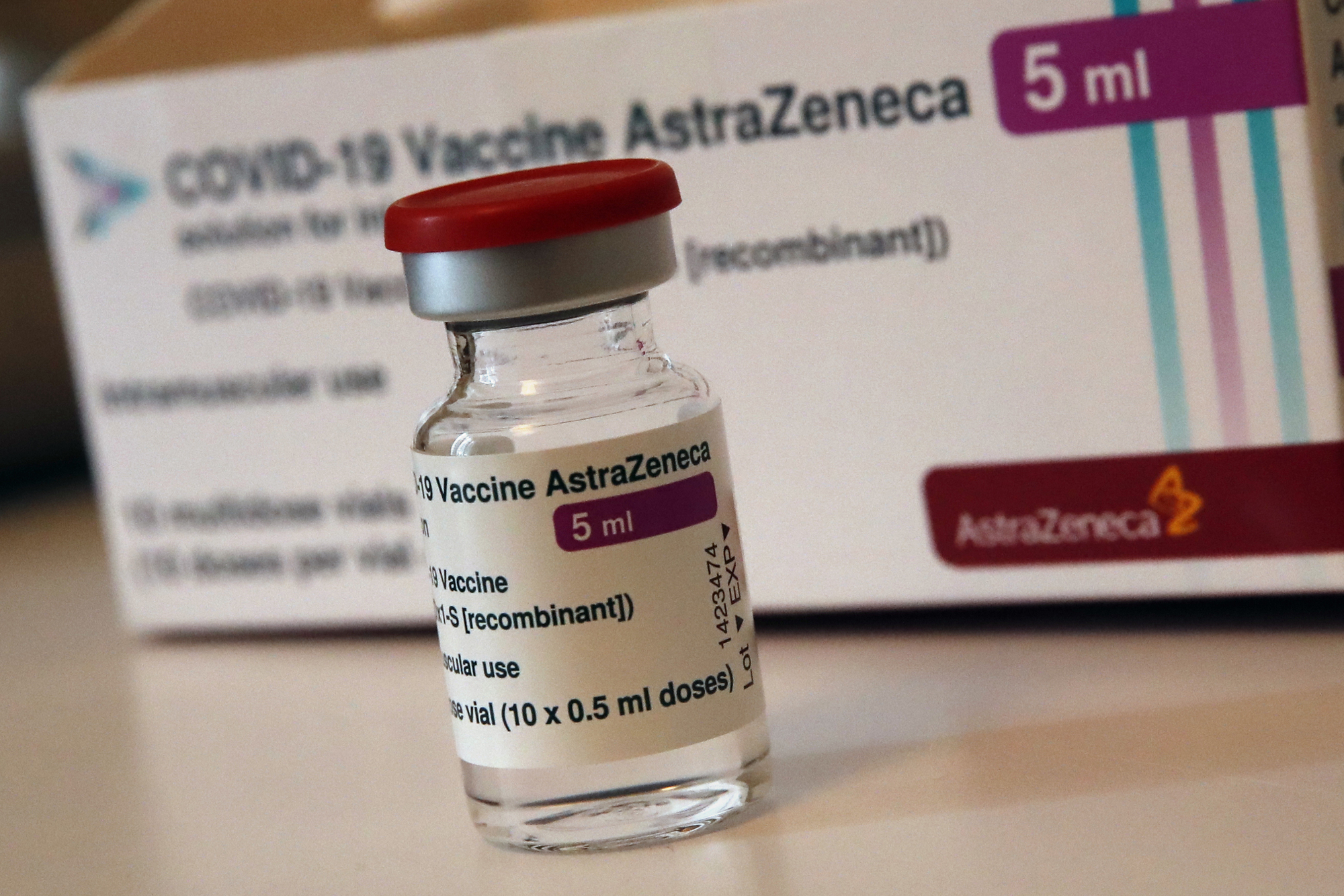
'Now that the World Health Organisation and the European Medicines Agency have clearly stated that there is no evidence of a link between the AZ vaccine and blood clots, this is an invaluable vaccine to have available to us.' Picture: AP/Christophe Ena

A year on from the start of the pandemic, the phrase “sick of it all” runs through our continuing Zoom calls. Thankfully, we are now in the endgame. 

The great unknown of a year ago as to whether any vaccines would be made in a bearable timeframe – and whether they would be effective – has been answered by one of the most astounding scientific achievements of our lifetimes. 

We have vaccines by Pfizer/BioNTech, Moderna and AstraZenca being administered here, with deliveries of the Johnson & Johnson vaccine expected to start in the next few weeks. 

These vaccines all differ somewhat in how they are made, how they were tested, and how effective they were shown to be during clinical trials. 

However, these vaccines are now being put to the test in real-world situations, with whole countries acting essentially as huge-scale clinical trials. New data is emerging on a regular basis now on how effective and safe they are.

What the new data tells us

Israel is providing a lot of the new data with respect to the messenger RNA Pfizer BioNtech vaccine. This is important to us in Ireland as, at the moment, roughly four out of five vaccines being administered here are the Pfizer/BioNTech vaccine. 

In clinical trials, this vaccine demonstrated an impressive efficacy of 95%, with the other messenger RNA vaccine, the Moderna vaccine, showing similar results. 

Efficacy measures how many vaccinated people contract Covid-19 compared with how many infections occur in the control group. 

Another way of thinking about it is that this number represents the proportion of Covid-19 infections that could be prevented by vaccination. The remarkably high rate of effectiveness of the Pfizer BioNtech vaccine has been maintained as it has been rolled out across the world. 

Dr Elizabeth Brint: 'Herd immunity vaccines offer the only way out of this pandemic by protecting the populations most vulnerable from illness and death and by reducing spread of the virus.' 

A recent study published in the New England Journal of Medicine compared nearly 600,000 people who were newly vaccinated in Israel and matched them to unvaccinated controls. Two doses of the mRNA vaccine reduced symptomatic cases by 94%, severe Covid-19 by 92% and hospitalisation by 87%.

Similarly impressive real-world data is now available for the AstraZeneca vaccine. 

There was a bit of a bumpy start to the release of this vaccine, with some confusion generated over the two clinical trials undertaken by AstraZeneca. The combining of the results of these two trials led to an overall efficacy of 63% being assigned to this vaccine. 

New data now emerging from the huge numbers of people being administered this vaccine in the UK show efficacy of 76% following one dose of this vaccine. 

These studies have also shown that the effectiveness of the AstraZeneca vaccine is at its highest when the second dose is given three months after the first dose, with efficacy increasing to 81%. 

This new data has also shown that the AstraZeneca vaccine is equally effective across all age groups. This last recent finding has resulted in all European countries, including Ireland, reversing their previous decision that the AZ vaccine would not be administered to the older age groups due to a lack of data in this group. 

As a result, we will now see the AZ vaccine being administered to every cohort in Ireland, leading to a faster rollout. 

Of course, the best data is the 100% efficacy of the AstraZeneca vaccine against hospitalisations and death due to Covid-19, which is at the heart of all the current challenges. 

100%. It simply doesn’t get any better than that. Now that the World Health Organisation and the European Medicines Agency have clearly stated that there is no evidence of a link between the AZ vaccine and blood clots, this is an invaluable vaccine to have available to us.

The Johnson & Johnson vaccine, which will be coming to our shores soon, doesn’t yet have these real-world numbers to offer us. 

In clinical trials, it demonstrated an efficacy of 66% when all stages of disease were examined. 

Crucially however, similar to the AZ vaccine, the J&J vaccine demonstrated 100% protection against hospitalisation and death in clinical trials. As currently the only one-shot vaccine approved here, it will be a great addition to our vaccine armoury.

The great unknown of the variants 

We don’t yet have any large real-world numbers on how effective the vaccines are against new variants of the virus. 

It is possible that one of the reasons the Pfizer and the Moderna vaccines fared so well in clinical trials, is that there were no variants circulating at the time the clinical trials for these were taking place. 

The J&J vaccine was tested in Brazil and South Africa in order to determine its efficacy against the dominant variant circulating in these countries and was equally effective in the trials in these countries as in the US. Only large-scale rollout of these vaccines in multiple parts of the world will demonstrate how effective they really are against the Covid-19 variants.

Herd immunity vaccines offer the only way out of this pandemic by protecting the populations most vulnerable from illness and death and by reducing spread of the virus. 

It is critical that herd immunity – where roughly 70% of the population is vaccinated – is achieved to return to a more normal way of life. 

Only by building a wall of vaccinated people that the virus can’t get through can we offer long-term protection to people who can’t get the vaccine – those with underlying health conditions, those who are immunocompromised, those on cancer therapy. 

All vaccines currently available offer excellent levels of protection and are safe vaccines. There have been some reports of people turning down certain vaccines to wait for a "better" one – this is a nonsensical act, and is not scientifically sound. The best vaccine is the one that you are lucky enough to be offered.

Dr Elizabeth Brint is an immunologist based in UCC's Department of Pathology

x

More in this section

Revoiced

Newsletter

Sign up to the best reads of the week from irishexaminer.com selected just for you.

Cookie Policy Privacy Policy Brand Safety FAQ Help Contact Us Terms and Conditions

© Examiner Echo Group Limited