Vaccine Q&A: What to do if you are concerned about blood clots?
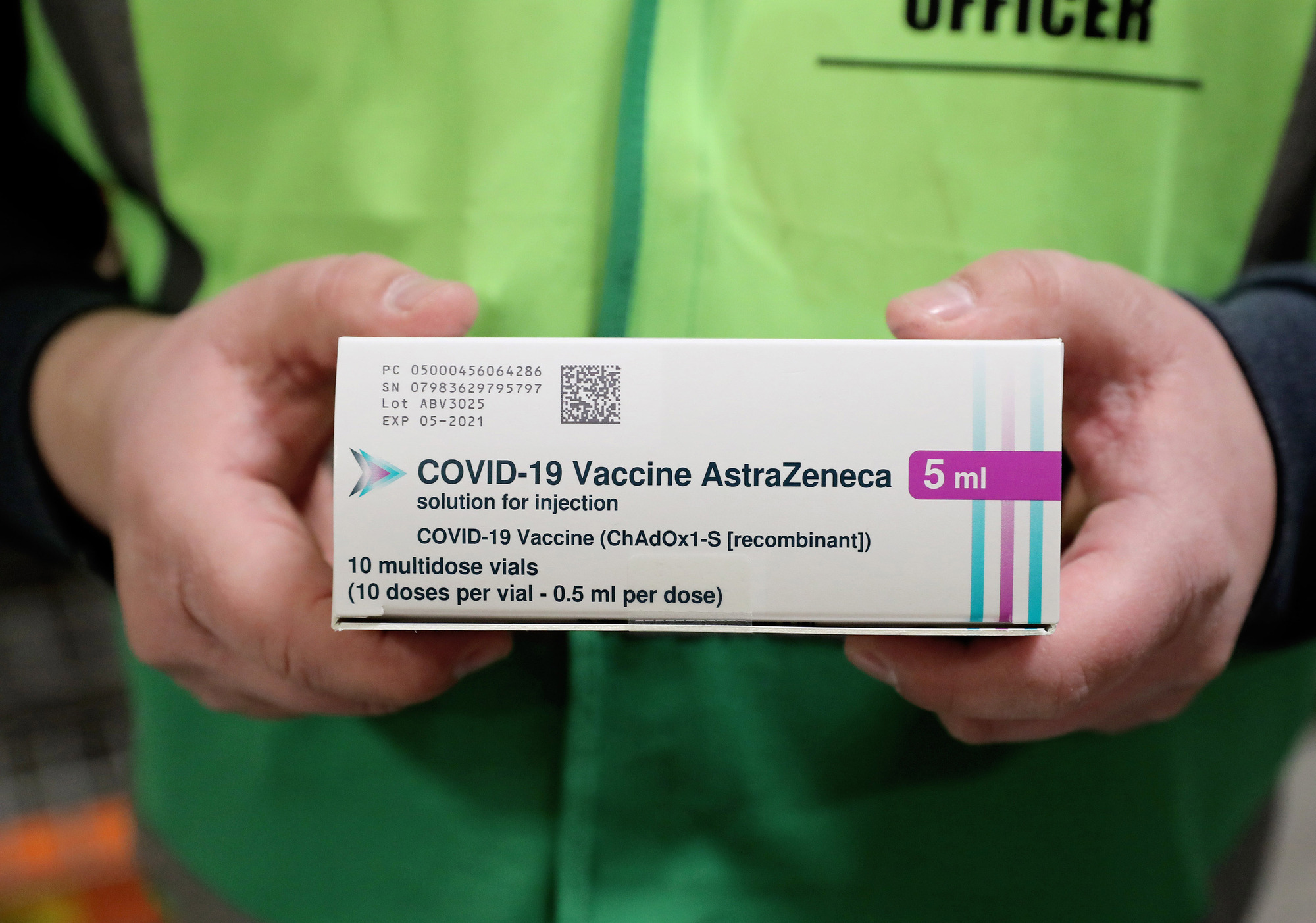
Medical experts, the International Society on Thrombosis and Haemostasis, and the World Health Organization have said the benefits of taking the vaccine outweigh any risks and no causal link had been established to date.
The European Medicines Agency (EMA) is expected to make an announcement today about the safety of the AstraZeneca Covid-19 vaccine, following reports of blood clots in a small number of people in Norway.
Maresa Fagan speaks to Professor Mike Watts, a specialist in blood clots at University Hospital Limerick, about what we know so far.
Last weekend Norwegian health authorities confirmed unusual blood clots in four young healthcare workers who had received the AstraZeneca Covid-19 vaccine, which led to the temporary suspension of its use. This led to other European countries, including Ireland, adopting a cautious approach and suspending use of the vaccine until further clarification was sought.
Since the blood clotting concerns came to light last weekend the EMA moved to investigate the medical and scientific information available. The EMA stressed there was no established connection between the clotting incidents and the vaccine and is due to announce the findings of its investigation today.
Medical experts, the International Society on Thrombosis and Haemostasis, and the World Health Organization have said the benefits of taking the vaccine outweigh any risks and no causal link had been established to date.
UHL consultant Dr Watts said he would be “absolutely shocked” if there was any risk posed by the AstraZeneca or any of the Covid-19 vaccines and that the risk would be no more than that posed by the contraceptive pill which is taken by millions of women worldwide.
“I would reassure everyone who has received the AstraZeneca vaccine that any association with a blood clot is not going to be a strong association,” he said, adding that many factors can trigger a blood clot in the leg or lungs and also pointed to the low risk of clotting from other widely used drugs such as the contraceptive pill.
Yes, there is an increased risk of blood clotting in patients with serious illness from Covid-19, in particular those requiring treatment in hospital or intensive care.
Dr Watts said the risk of getting a blood clot after a serious Covid-19 infection was three times higher than in patients who did not have the virus and that the risk remains for three months.
While he has seen more patients, who had Covid-19, presenting with clots at his clinics, he stressed that these patients had been treated in hospital and were not milder infections who were treated at home.
No. Dr Watts said it was natural that people taking blood-thinning medication, such as warfarin or other drugs, may be concerned about receiving the AstraZeneca vaccine but stressed that they were likely to be at lower risk of clotting.
“What I would say to anyone taking a blood-thinning medication, while you are taking it you are protected. In fact, you are probably at lower risk than the average person who is not on an anti-coagulant,” he said, urging people to continue taking their medication.
Dr Watts believes the EMA has been slow to draw a line under the concerns raised last weekend, which may impact on public confidence in vaccines and play into the hands of anti-vaccination campaigners.
While he accepts that the evidence needs to be examined, he said the matter should have been dealt with by European authorities in a matter of hours not days.
There is far more damage being done by not giving the vaccine, Dr Watts said: “We have lost four days of vaccinations. Is that justified? I don’t think so. They should have got their act together and solved this on Monday morning”.

CONNECT WITH US TODAY



Be the first to know the latest news and updates