Children must be front and centre of recovery planning
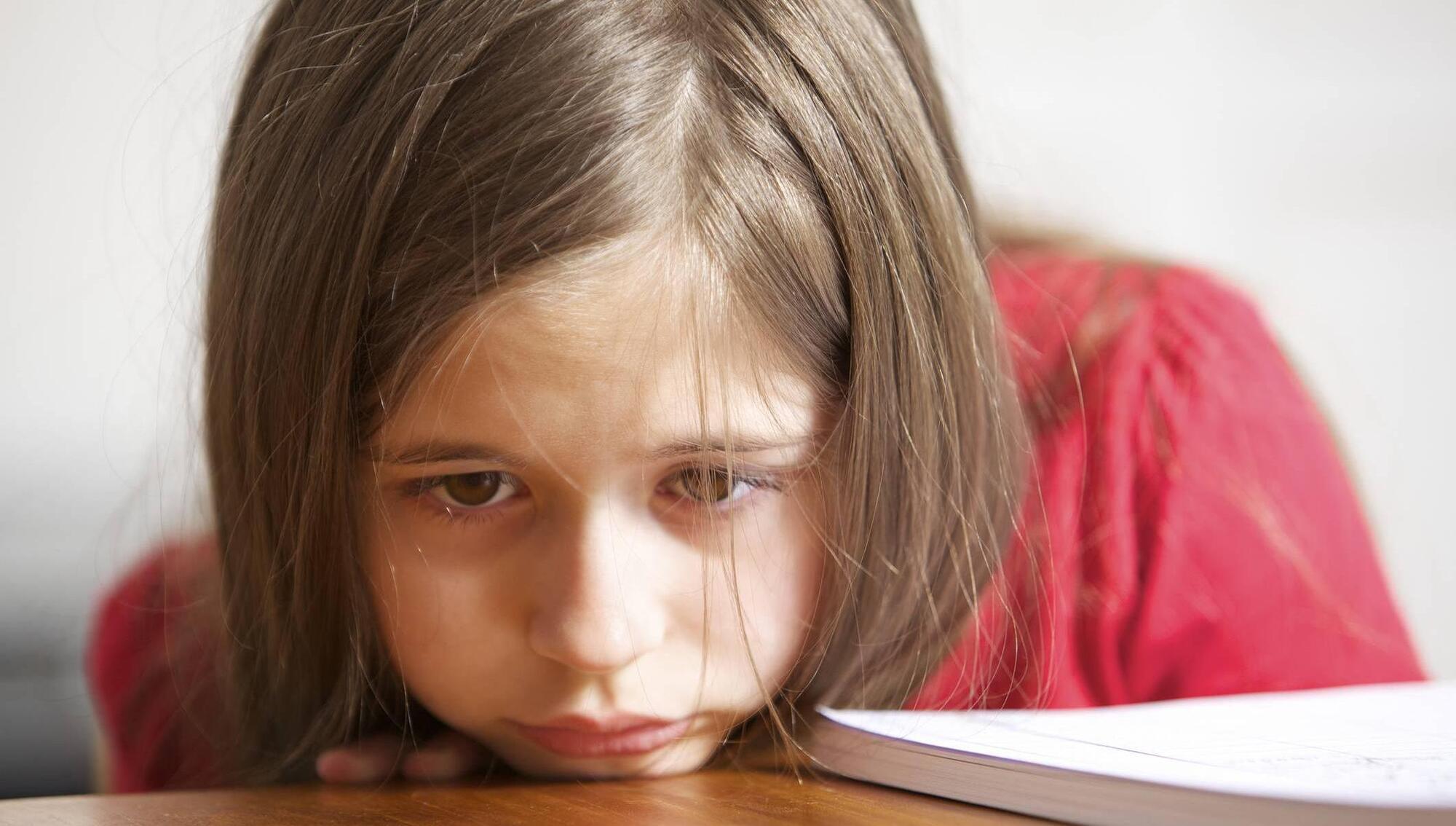
It has been a year Barnardos will recall as one of the most challenging in memory for the children and families that they work with.
Today marks the one-year anniversary of the first school closures in Ireland in response to the outbreak of Covid-19. It is one year since our lives were turned upside down and the everyday pleasures of seeing family and friends, touching and hugging them as we chose, were lost to us. A year that has been so long as we faced fear, hope, confusion, and pride in the solidarity of how we coped together followed by a sense of weariness as we realised how long this was going to last. It is a year Barnardos will recall as one of the most challenging in memory for the children and families that we work with.
Infectious disease disproportionately affects those who are marginalised, those who are vulnerable, and those that live in poverty according to infectious disease expert Professor Mary Horgan. Decisions taken throughout the year, based on sound public health advice impacted us all, but as with the catalyst of these decisions – covid-19 – they impacted some far more than others.
School closures did not mean the same for any two children. When children returned home to learn remotely, most returned to a secure home environment where, albeit there were likely stresses, parents had the resources to give the child the time and attention they needed. Parents were able to support their engagement with online learning, put three meals on the table, and children had access to wifi and learning devices. But many children did not. They were confined to homes where addiction, mental health issues, and domestic violence were already present. Over the duration of the pandemic these already complex and traumatic situations were further fuelled by job losses, financial pressures, and increased levels of anxiety and stress.
For children for whom school was a safe haven, their safety net was pulled from under their feet. No longer did they have the structure and routine of school which hitherto had provided them with essential social, emotional as well as educational support. For children accessing Barnardos breakfast clubs in school, this essential form of nutrition and care was no longer available. For many, the loss of school also meant the loss of a smiling, warm, emotionally available adult that they could turn to in times of chaos in their homes.
Worryingly, challenges with remote learning and prolonged school closures have led to increased concern that students may not re-engage with school. This has serious life-long implications and while we are calling for recovery plans to be put in place to make up for the loss of educational attainment, we feel strongly that these plans must include children and young people that have fallen out of the system in the last 12 months.
The long-term impact of these prolonged closures of schools and the curtailment of public services is one that we do not yet fully understand. Indications to date and reports from our services across the country suggest a cohort of children and young people whose life chances have been irrevocably damaged.
The reported decrease in reports of child abuse is worrying. Covid-19 did not decrease the incidence of child abuse; it hid away the victims. These are children we cannot reach out to, we cannot help; children that we do not yet know about and remain invisible to society. The incidence of reported domestic violence has increased dramatically. In Barnardos we work to support children through the trauma of domestic violence and abuse. Domestic violence has a prolonged and significant impact on children, on their future relationships, and life chances if they don’t get the support they require in childhood.
Waiting lists have increased dramatically over the last year as children and young people seek mental health supports, require developmental checks and general paediatric services. One mother we worked with recently finally secured a needs assessment for her child. Her appointment is scheduled for 2026.
We know from our Guardian ad Litem service that many children in care have faced interruption in their care planning, delays to care proceedings, and disruption to their access arrangement with birth parents and family. Instability and delayed interventions have long-term emotional consequences for every child impacted.
Where do we go from here?
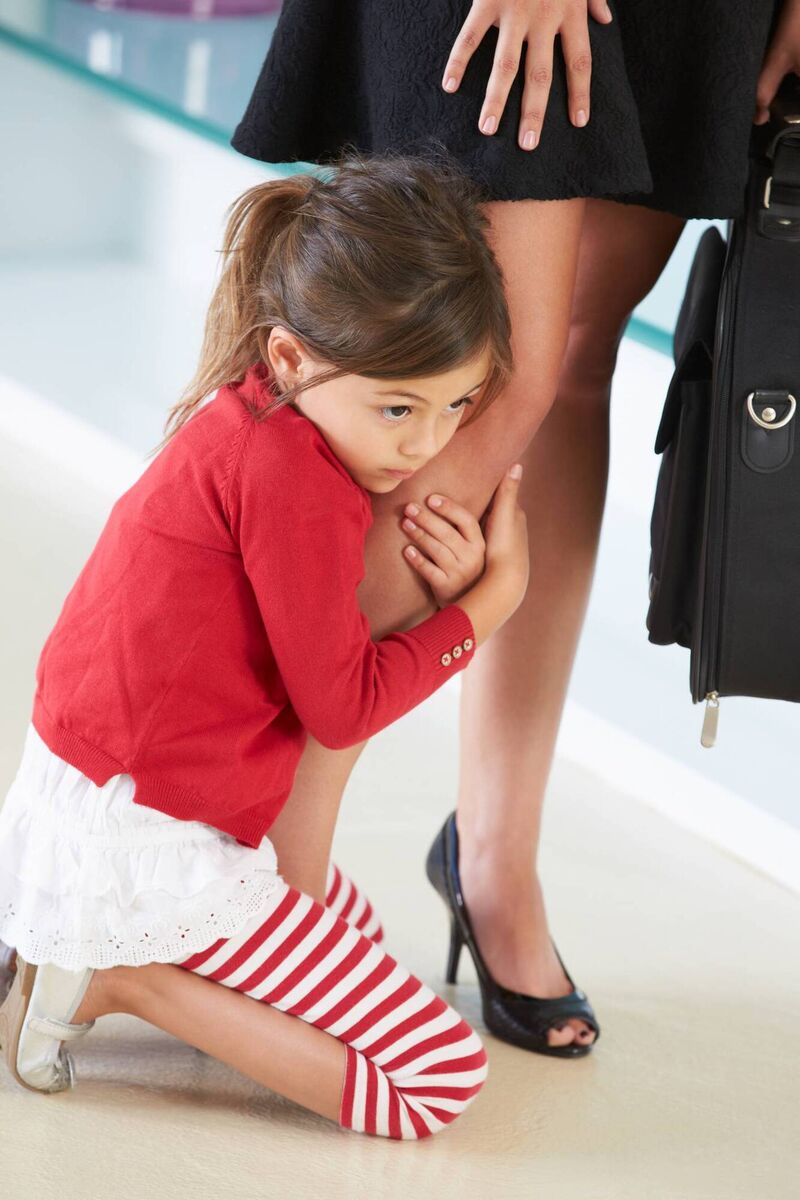
As a country, we can now begin the process of healing which the roll-out of vaccines allows us to do. We need to recognise what children and families have been through and support them to validate their experience.
We need the support of strong leadership in government to help our healing. The u-turn on schools reopening earlier this year was one of the lowest points of this pandemic. For children with special needs and their families, their right to education as guaranteed by the Constitution of Ireland, the European Convention on Human Rights, and the UN Convention on the Rights of the Child was not considered. However, to speak solely about rights, fails to acknowledge the anguish and distress experienced in homes up and down the country. To commit to prioritise certain groups of vulnerable children and then blatantly disregard the commitment is shameful. As the school debacle was played out by opposing sides in this ill-thought battle, the children were forgotten.
It is imperative that the revised national policy framework for children and young people ‘Better Outcomes, Brighter Futures’ includes a recovery programme that puts in place longer-term supports to make up for lost learning, and mechanisms to support children’s social and developmental well-being. It must also include supports to reach out to those who may already have fallen outside the school network. We need to now take stock and assess how we can make a system work for all children that places emphasis on working with families, community supports and outreach, and ultimately one that takes a child-centred approach. The plan must be built on the needs of children and young people and the outcomes that will ultimately enable them to reach their developmental potential and live fulfilling lives. As a first step in demonstrating its commitment, the Government should finalise the provision of summer learning programmes, and they must be made available to all children who have a need. In addition, we must have a short-term policy developed and approved to ensure should schools close again, or fail to fully re-open, that in-school provision is made available to all marginalised and vulnerable children.
While we all try to navigate our way past the last 12 months, we must recognise our responsibilities to children and young people. We must communicate with them to support their capacity to think through uncertainty and difficulty, a responsibility not just of parents but of society as a whole. We need to support them through the inevitable emotional highs and lows of the experience that they are living. Children must be the front and centre in the formulation of recovery plans. All children living in Ireland today will create the Ireland of the future. It is incumbent of us all to enable them to undertake this task with hope and a sense of possibility, and that they are provided with the required building blocks to make a future Ireland we will all be proud of.
CONNECT WITH US TODAY



Be the first to know the latest news and updates