World Aids Day: HIV/Aids can be treated and prevented — but we must cure the virus that is stigma
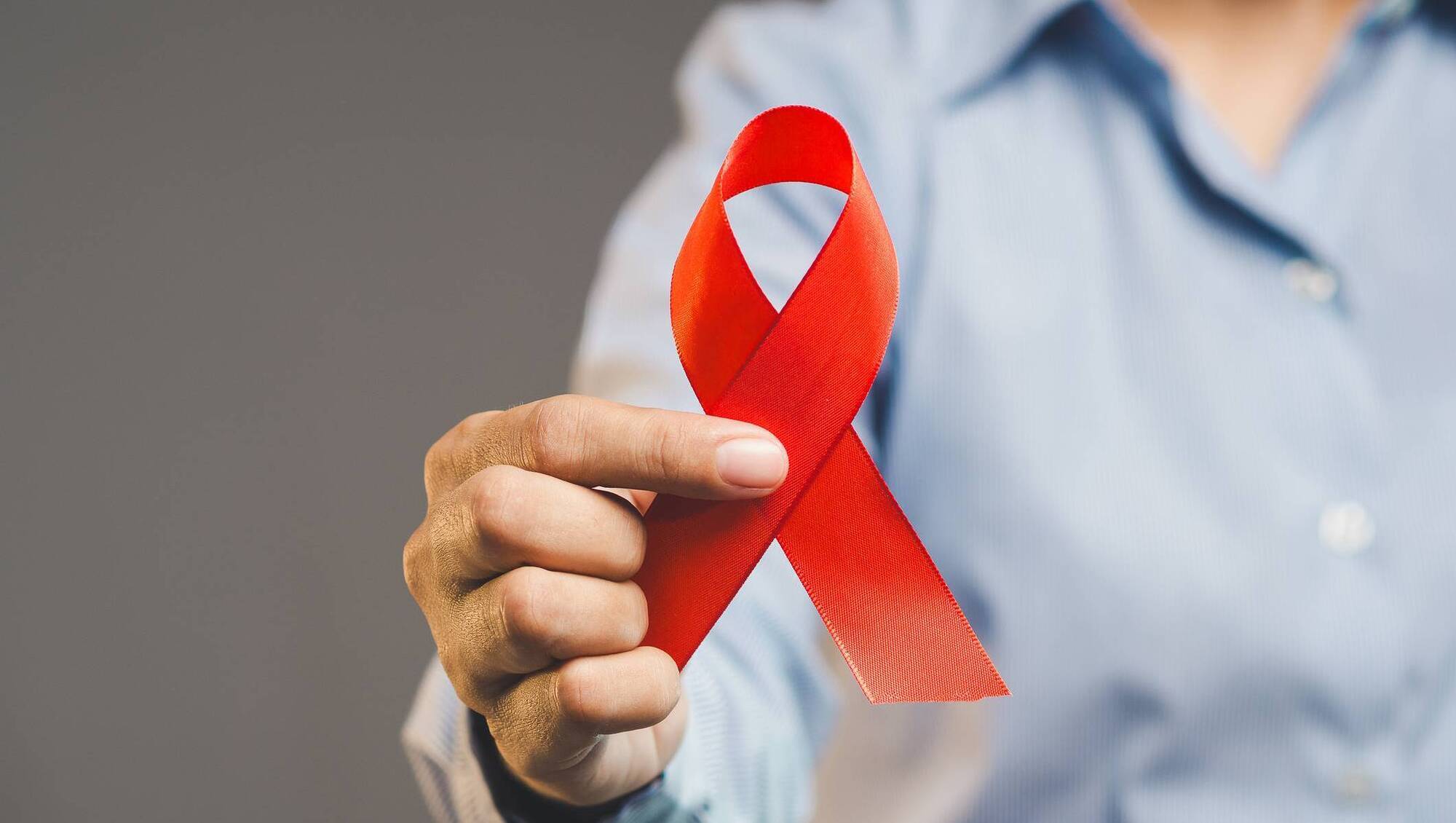
Will Kennedy says: 'Stigma remains a major barrier to testing, treatment, and prevention in Ireland.' Picture: iStock
Change has been a long time coming. While HIV is now a very treatable condition, and we have the means to prevent the ongoing transmission of the condition, we need to ask why new cases are being diagnosed every day?
On December 1, 2025, the world pauses to remember the lives lost to HIV/Aids, celebrate the progress made, and renew the fight to end the epidemic. But despite decades of scientific breakthroughs — from antiretroviral therapy, to pre-exposure prophylaxis (PrEP), to undetectable = untransmittable (U=U) — one insidious force continues to undermine every step forward: Stigma.
HIV stigma is not just a social issue, it is a public health crisis. It silences, isolates, and kills.
Unless we confront it head-on, we will never truly end the HIV epidemic.
Fast Track Cities is an international initiative to end new cases of HIV by 2030. Over 550 cities across the world are part of this movement to get to zero new cases of HIV, zero preventable deaths, zero stigma and discrimination, and a better quality of life for people living with HIV.
The 95-95-95, targets are the route to achieving these aims: 95% of people living with HIV know their status, 95% of people living with HIV know their positive status, 95% of people on antiretroviral therapy with suppressed viral loads.
Fast Track Cities first launched Worldwide on Worlds Aids Day 2014. Ireland signed up to Fast Track Cities in 2019. There are now four Fast Track Cities in the Republic of Ireland: Cork, Dublin, Limerick, and Galway. Belfast signed up in 2024.
These goals can, and should, be met. We have all the tools we need to ensure that they are, but the barriers to getting there have changed; science has outpaced society.
Today, HIV is no longer a death sentence — though many people think it is. This is due to a complete lack of education around HIV. People living with HIV who adhere to treatment can, and do, achieve undetectable viral loads, meaning they cannot transmit the virus. This is known as treatment as prevention.
Everyone who is sexually active gets tested. If that test is positive, they get on meds and no longer pass on HIV. It’s one of the most effective methods of ending new transmissions.

• PrEP offers near-complete protection, not only for those most at risk but anyone who is sexually active.
• Post-exposure prophylaxis (Pep) is also available if someone thinks they may have been exposed to HIV, but it must be taken within 72 hours of exposure.
• Long-acting injectables are revolutionising care for people living with HIV.
While it is fantastic that all these tools for ending the HIV epidemic now exist, they are not much use in the face of one large barrier — stigma.
HIV stigma keeps these tools out of the reach of millions. Even if people know about these tools, the fear of stigma keeps people from getting tested or seeking out the methods of prevention. Shame causes people to delay seeking treatment. In many communities, HIV is still seen as a punishment — not a condition.
The result is late diagnoses, poor adherence, and avoidable deaths.
Stigma operates on many levels. There are countries where laws exist that criminalise HIV transmission, or marginalise certain communities such as sex workers, LGBT+ people, transgender and non-binary individuals, and people who inject drugs.
Social stigma can lead to discrimination in healthcare, employment, and relationships. People living with HIV can be asked by medical professionals, who are not treating their HIV, how they got it. People entering into new relationships face the risk of rejection on disclosure of their HIV status. Then there is internalised stigma, leading to feelings of shame, guilt, and fear among those living with HIV.
What needs to change? Ending HIV requires more than medicine. It demands a cultural and social shift. HIV needs to be normalised as a manageable condition — not a moral failing. Healthcare providers need to be educated to deliver stigma-free care. Community-led outreach needs funding, especially in marginalised groups.
Promoting U=U, PrEP, and Pep awareness will empower people with up-to-date facts, challenging discriminatory laws and policies that perpetuate fear and prevent people from seeking the help that they need is vital.
While these changes need to happen worldwide, what can we do here in Ireland to bring about change in social and cultural attitudes to HIV?
As in many parts of the world, stigma remains a major barrier to testing, treatment, and prevention in Ireland. To meet national health goals, and not only reduce but end new infections, government agencies must invest in inclusive, evidence-based HIV education across schools, communities, and healthcare systems.
Let’s look at some strategies that aim to modernise HIV education and support Ireland’s commitment to public health and equality.
I should mention here that some of the strategies I will mention are included in the National Sexual Health Strategy for 2025-2035. It will just be a case of making sure that the Government lives up to the promises in this document, and it does not become just one more record of things the Government planned to do.
For relevant and up-to-date information, we must begin with education. Therefore, we must integrate HIV into the school curriculum.
• Teach students about U=U, PrEP, and Pep, as part of modern sexual health;
• Include real stories from people living with HIV to humanise the topic and reduce stigma;
• Provide teacher training and resources to ensure confident, stigma-free delivery;
• Support HIV non-governmental organisations in Ireland to deliver tailored education to LGBT+ youth, migrant communities, people who inject drugs, and sex workers;
• Promote and fund peer-led education models.
We must build on the success of the HSE’s You, Me, and HIV campaign. Use TV, radio, and social media on an ongoing basis to promote HIV testing as routine healthcare, PrEP and Pep access, and U=U messaging.
We must normalise testing and prevention, promote opt-out testing in hospitals and GP practices, and expand access to free rapid testing and self-testing kits — especially in rural areas.
Finally, and most importantly, we must address stigma in healthcare and public services; mandate anti-stigma training for healthcare workers, social workers, and educators; review and reform policies that may inadvertently discriminate against people living with HIV; and encourage inclusive language and practices across public services.
We must develop a national HIV stigma reduction strategy in collaboration with civil society.
Ireland has all the tools to end HIV transmission and, as a country, we can achieve the Fast Track Cities goals. But while we can develop strategies, and plans, if we don’t address the barrier that stops people engaging with these plans, we will fail to reach our goal.
As long as people fear the stigma around HIV, they will be very reluctant to and may even not engage with any of the strategies the Government develops. Therefore, by investing in education, awareness, and equity, government agencies can lead towards a future where HIV is no longer hidden, feared, or misunderstood.
The strategies have been developed, we have the tools we need, the time to act is now. I call on the Government to live up to the promises laid out in the National Sexual Health Strategy now.
Medical advancements in HIV treatment and prevention are improving every day. But people are still living in fear of being judged because they are living with HIV. That is why ending HIV is not just a medical goal, it is a moral imperative.
- Will Kennedy is a Cork-based HIV activist