Ireland's entertainment sector at unmatched competitive disadvantage
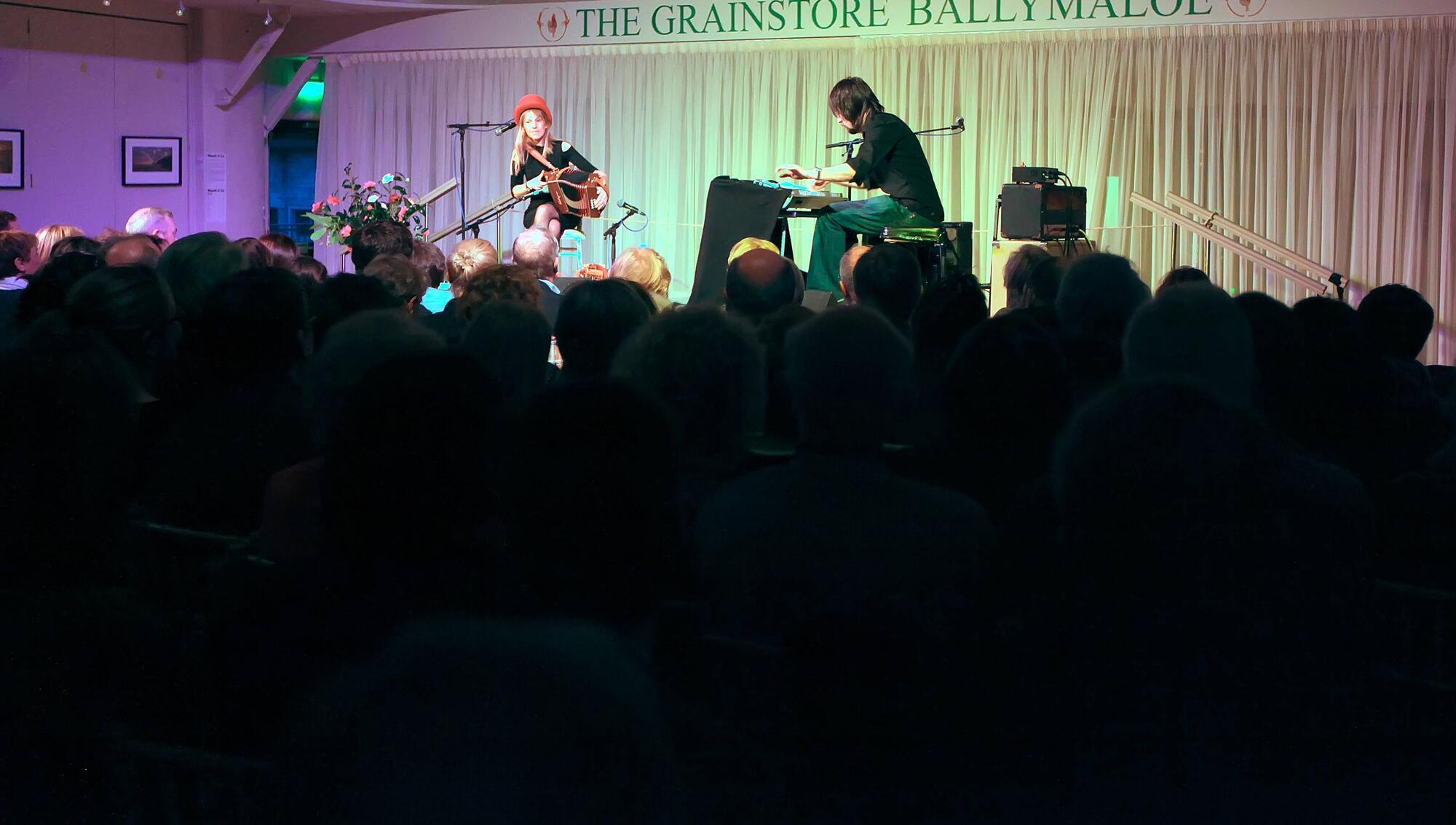
The Irish creative and entertainment sector has laboured under a competitive disadvantage that would not be tolerated by any other industry.
Long-running anxiety about the depletion of performance, arts and cultural venues was given a different spin in 2020 – all it took was everything closing down.
The shift from live concerts to online streaming brought about by the pandemic has given audiences and artists an opportunity to enjoy high-quality original Irish music presented from national parks, stately homes, art galleries, iconic landmarks and other venues not ordinarily open to public performance.
Against these novel backdrops, audiences were also treated to another notable rarity – multi-generational line-ups and collaborations which, in responding to current events, focused on themes of belonging, community and Irish identities.
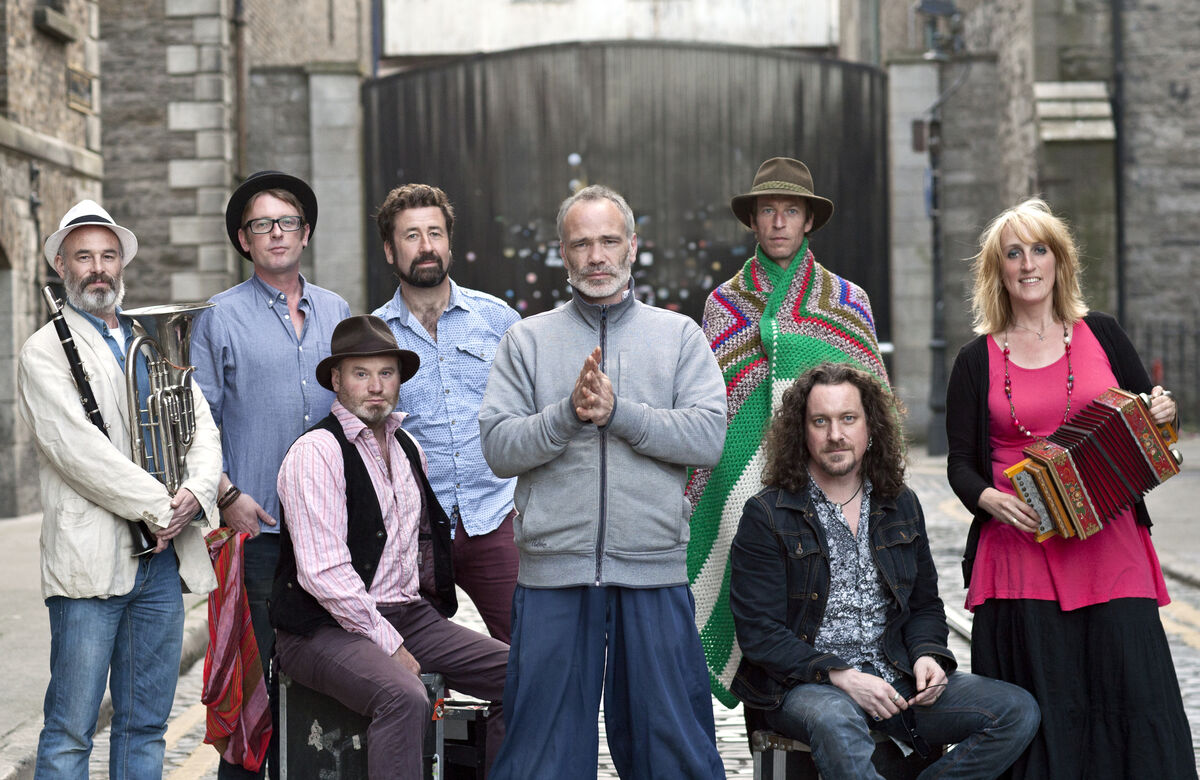
The crowning effort of this trend to date has been the production of , broadcast on RTÉ television over the Christmas period. While it was unfortunate that no space was found for artists and destinations north of border, viewers nonetheless enjoyed a mix that included the Hothouse Flowers in a deserted Temple Bar, The Stunning at Trim Castle, Saint Sister from the Burren and Kíla at Newgrange.
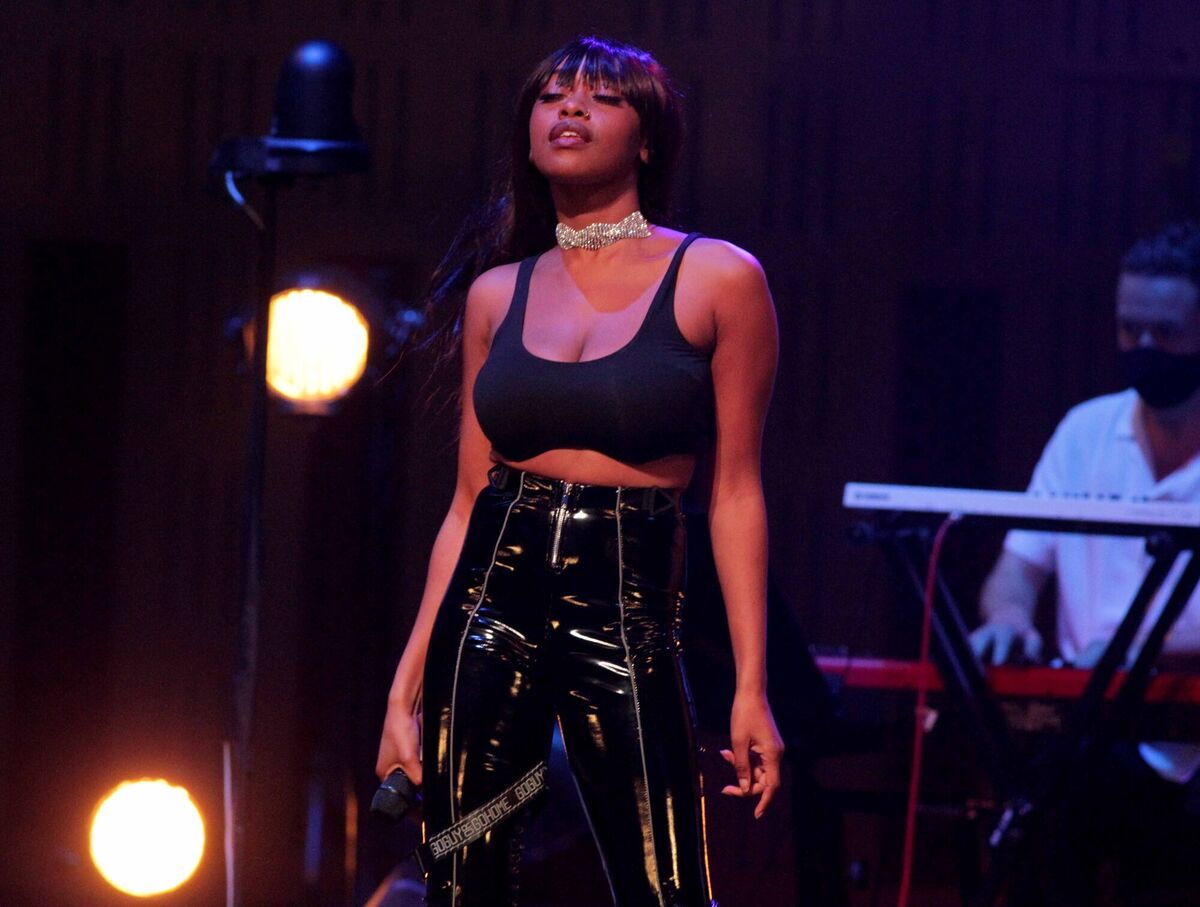
The programme was bookended by performances from Denise Chaila, first opening with Clannad in the shadow of Mount Errigal and at the climax alongside Sharon Shannon at the Cliffs of Moher. The formidable Limerick rapper earning such a canonical position made an impressive statement about the story Ireland tells about itself today.
With the sweeping use of drone angles, official backing from Government departments, Tourism Ireland and several local authorities, the production had an obvious eye on attracting overseas visitors.
It can be acknowledged as an example of how public bodies have responded well to the pandemic’s few opportunities.
While the Irish State, particularly as it rediscovers the value of its diaspora, excels at wielding the soft power of its cultural product, the reality at home has been more complicated.
Questions about the level of financial support afforded to the arts will persist but this issue forms only part of the larger equation and even obscures the root causes.
The Irish creative and entertainment sector has laboured under a competitive disadvantage that would not be tolerated by any other industry.
Denied the opportunity to nurture its own sustainability and independence, the sector is forced to look ever increasingly toward Government grants or corporate partnership. A situation that pleases nobody.
The highest levels of Government have worked to mitigate the damage of Britain’s exit on sectors like agriculture and trade while it has long been the case that, in an age of budget travel, thousands of euro go abroad each weekend because as Ireland closes its doors at night, Europe carries on doing business.
The Irish experience, with only a few exceptions, has put itself in a much more unsustainable position, extracting value from the country’s musical heritage rather than providing for the Phil Lynotts and Sinead O’Connors of tomorrow.
Last September, Waterford lost its Central Arts venue after six years. A grassroots enterprise that has produced events and programming to a standard well above its modest means.
Speaking at the Oireachtas Committee on Culture in 2019, founder Ciara O’Connell outlined a common conundrum facing such ambitions.
The venue had been informed by gardaí that it needed a dance licence in order to continue operating some events, which in turn prompted its insurer to say that for the necessary cover to hold such a licence, Central Arts would need to have a turnover well in excess of €1m.
So a project which began with the explicit aim of building “an alternative to mainstream, alcohol-based nightlife culture” instead faced the ordeal and uncertainty of having to become a licensed venue in order to cover the cost of showcasing local talent.
Such is the blunt one-size-fits-all nature under our current regime. Successive governments have extolled notions of innovation and entrepreneurship while failing to provide for the DIY ethic at the heart of cultural promotion.
This began to change in 2019, ultimately leading to the establishment of the Night-time Economy Taskforce and the announcement by Justice Minister Helen McEntee last month that law reform is on the horizon.
Plans to modernise licensing were in train since before the pandemic began but, crucially now, whatever emerges on the other side is being backed up by the Department of Culture.
Culture Minister Catherine Martin has announced an enhanced Live Performance Support Scheme for 2021, following a limited pilot run last year.
A new Return to Live Entertainment Working Group is also to be tasked with developing guidance for the sector as it tentatively works toward what still feels like a distant reopening.
Those employed in the sector can at least be encouraged that this expression of increasing enlightenment at official level is backed up with a budget approaching €50m.
With a cross-governmental approach and the involvement of key players, such as the Department of Justice, city managers and An Garda Síochána from the beginning, it is hoped that debate and policy formation on the issue may begin to reflect the diverse and relatively modern country we actually live in.
After a year when bars were severely limited and nightclubs closed entirely, alcohol consumption has remained resilient.
Market analysis in November indicated that sales actually increased as restrictions were tightened.
Discussion of Ireland’s complex relationship with drink and drugs often takes place in emotional terms but with 2020 inadvertently providing this experiment, a mature debate must acknowledge that these issues are now by no means confined to the after hours.
After a period of unprecedented isolation and with work-life perhaps transformed permanently, improving the social experience on offer carries with it enormous benefits in the wellbeing of all ages and communities.
The pub trade too, often regarded as the greatest source of scepticism when it comes to proposed reform, must also answer the question of how any confident industry can argue that its own interest, let alone the greater good, is best served by maintaining a legal regime that is over a century old and long out of date.
It was an insular, fearful, culturally suspicious and conformist outlook which is a world away from today and indeed, the significance of the Cliffs of Moher performance watched by millions in December.
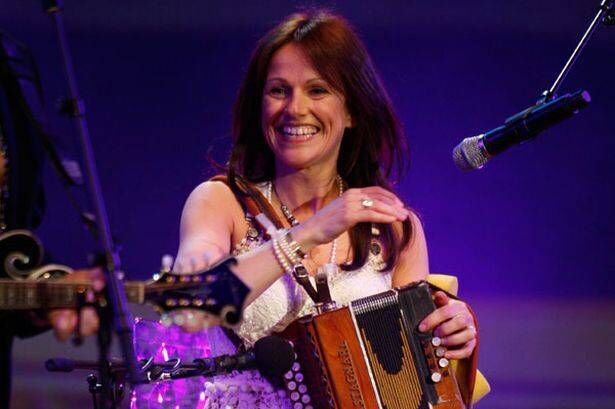
Chaila’s trio of aspiring rappers flanked by their DJ, Replay of Limerick collective PX Music, traditional music icon Sharon Shannon, Sligo harpist Brídín and dancer Ruth Charles displayed a blend of influence and forms turned in the highest standard to something unmistakably our own.
A glimpse of the potential and common reward on offer when space is found for making these connections.
• Simon Price is a writer and DJ based in the West of Ireland


CONNECT WITH US TODAY



Be the first to know the latest news and updates