Liam Herrick: Covid strategy needs more carrot and less stick
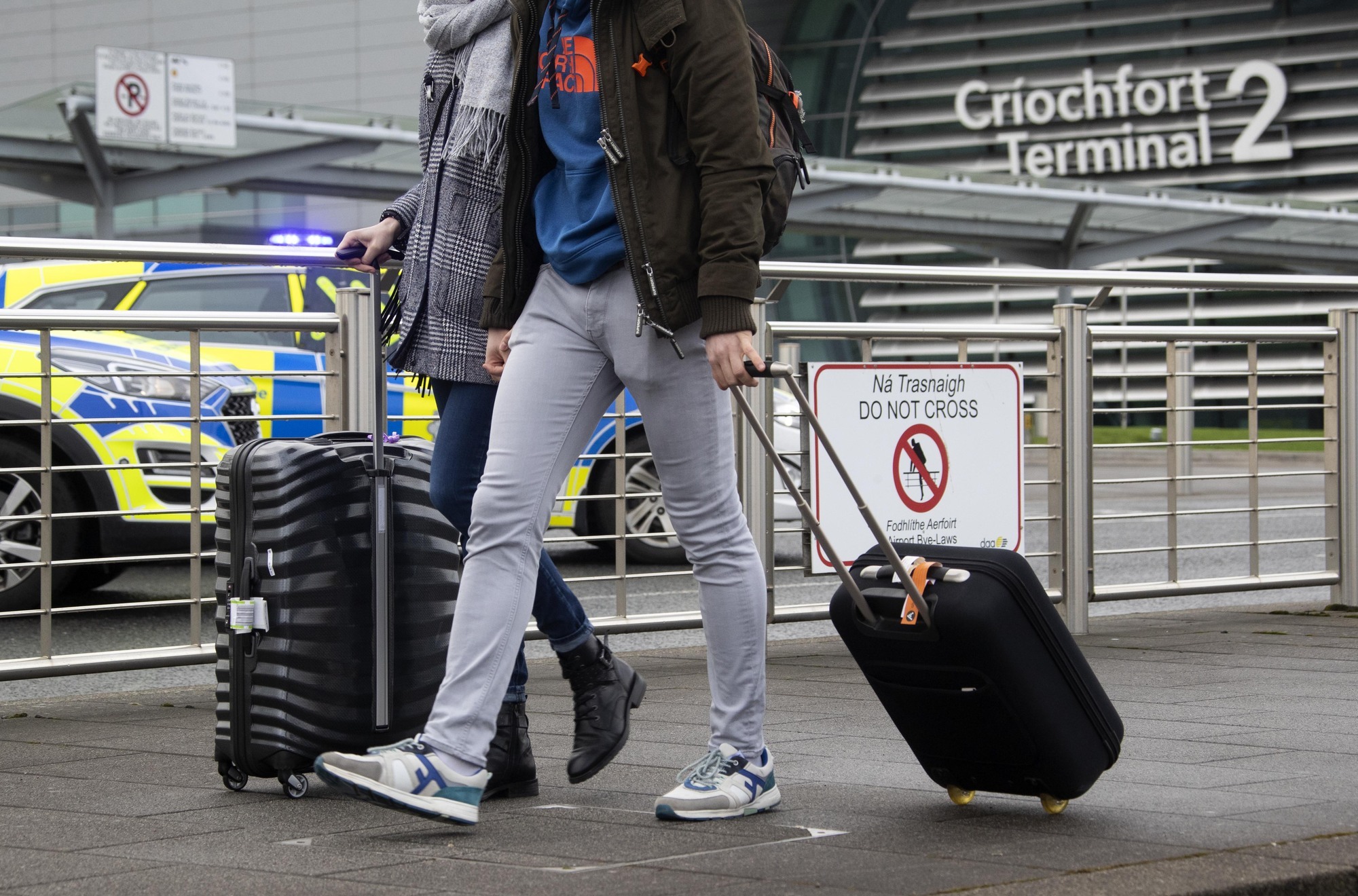
International travel is undoubtedly a key public health concern, particularly in the face of emerging Covid variants, but it is not the main issue facing Ireland at this point in the pandemic.
All through this pandemic the Government has had to make difficult choices about restricting our rights to achieve public health goals. In response, our communities have made incredible sacrifices to protect one another.
This is challenging for everyone and it only works if there is a relationship of trust between the decision-makers and those who are asked to comply. This trust is hard won and easily lost. Communications, messaging and tone matter.
For many people this third phase of restrictions is proving more difficult and there is growing scepticism with the Government’s strategy. Government credibility was undermined by the disastrous rise of Covid cases since December.
Frustration with Government policy is manifesting in calls for far more aggressive restrictions on rights, including detention for international travel, the creation of more offences and harsher punishments.
This shift in emphasis to punishment can be seen as an attempt at deflection from the real issues. It is not an indicator of State action, so much as a sign of political system running out of ideas and seeking targets to blame.
This week has seen calls for mandatory vaccines for healthcare workers, despite the demand for the vaccine in our hospitals far outstripping supply. In fact, the voluntary take-up of the vaccine has been remarkably high – as much as 90% across the health sector.
Hospital safety is complex and cannot be reduced to one issue. Workers may have valid medical reasons to decline a vaccine or may simply need more information, but a disregard for the rights and opinions of the most valuable section of our workforce who have sacrificed so much has been jarring.
International travel is undoubtedly a key public health concern, particularly in the face of emerging Covid variants, but it is not the main issue facing Ireland at this point in the pandemic. International travel numbers are low, and there are a wide range of measures that can be undertaken to minimise risks that it presents.
Against a backdrop of failure to implement contact tracing, the presentation of mandatory quarantine as a magic bullet to control the spread of disease is dubious. It also presents duty-of-care concerns for the State and for the private sector.
By far the most significant problem we face now is the high rate of the disease in our community, not the threat from overseas.
Underlying the punitive urge is a basic misunderstanding about why people are not always able to follow the rules.
Globally, people want to comply but sometimes find it difficult. The impact of the disease is different on different groups in society, and the impact of restrictions is felt most keenly by those in poverty.
Managing home schooling with two parents whose jobs allow them work from home is difficult. For a lone-parent trying to juggle childcare or a parent in Direct Provision it may be impossible.
The truth is that the vast majority of our community are doing their best to comply with rules and advice while trying to protect themselves and their families. Researchers have been calling for governments to focus more on supporting families who are struggling with the demands of isolation.
Instead, the recent escalation in the use of fines seems to be more about grabbing headlines than any serious attempt to engage with the public. Put bluntly, fines rarely work and are no substitute for an effective public health strategy.
The wealthy face no meaningful deterrent; and those determined not to comply with rules on face masks or travel, will simply refuse to pay. There is a large body of international research that fines are particularly ineffective in changing public health behaviour.
We also need to consider what type of normality we want to return to when this is all over. Policing has a role to play in the pandemic, but we should not underestimate the risks that follow from extended periods of time when our police can track and restrict our ordinary life.
Garda representative bodies themselves have voiced their reluctance and caution about any expanded powers because they see these risks.
Worryingly, Government and the Oireachtas seem determined to increase and deepen the range of crimes, fines and powers of gardaí. Over time, the public is becoming desensitized to public health becoming a policing exercise.
This trend is both dangerous and counterproductive, more likely to damage public trust than to build it. We face a difficult few months, and as a society we will face difficult choices about travel, work and schools. In leading us through these choices, our political leaders need to focus on supporting people to comply and flourish.
A strategy for Covid based on hope and respect for the rights of everyone would celebrate what has been achieved, while mapping out a direction for the future.
To regain a sense that we are really all in this together, let’s begin by including in our decision-making the voices from the communities that are affected.
Let’s treat the public with respect and look to help people to stay safe rather than witch-hunting. Let’s place the Oireachtas back at the centre of our democracy and stop making new rules in secret, reacting to the latest outcry.
We have made and we are making enormous sacrifices, but we will not tolerate a Government communication strategy based around claiming credit when numbers go down and seeking out scapegoats when they rise. ‘All in this together’ has to mean something.
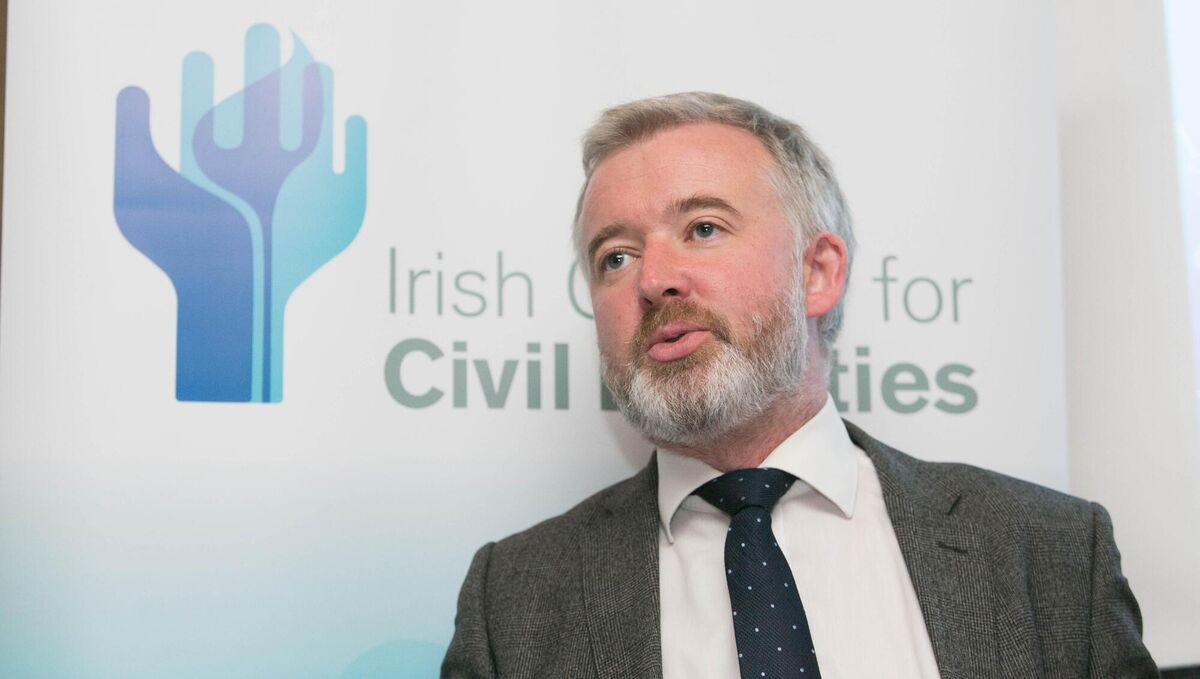
- Liam Herrick, is executive director, Irish Council for Civil Liberties


CONNECT WITH US TODAY



Be the first to know the latest news and updates