Aclaí Gym provides an outlet for Palestinians 'fighting their way through the day' in overcrowded refugee camp
Amid occupation and military raids, Palestinian residents of Bethlehem’s Aida Refugee Camp create spaces for mental and physical relief with Irish support
Aclaí Gym provides an outlet for Palestinians 'fighting their way through the day' in overcrowded refugee camp

Mohammed Abu Srour: 'We have in the camp around 3500-4000 people living in the same amount of space. Poverty is high. It's overcrowded. The unemployment rate is high. There are no spaces.' Pictures: Hannah McCarthy

“This place was built for 1,200 refugees,” says Mohammed Abu Srour at the Aida Camp outside of Bethlehem.
“Now, we have in the camp around 3,500-4,000 people living in the same amount of space. Poverty is high. It’s overcrowded. The unemployment rate is high. There are no spaces.”

Mohammed’s mother Samira says: “The houses are so close, you can hear the neighbours.”

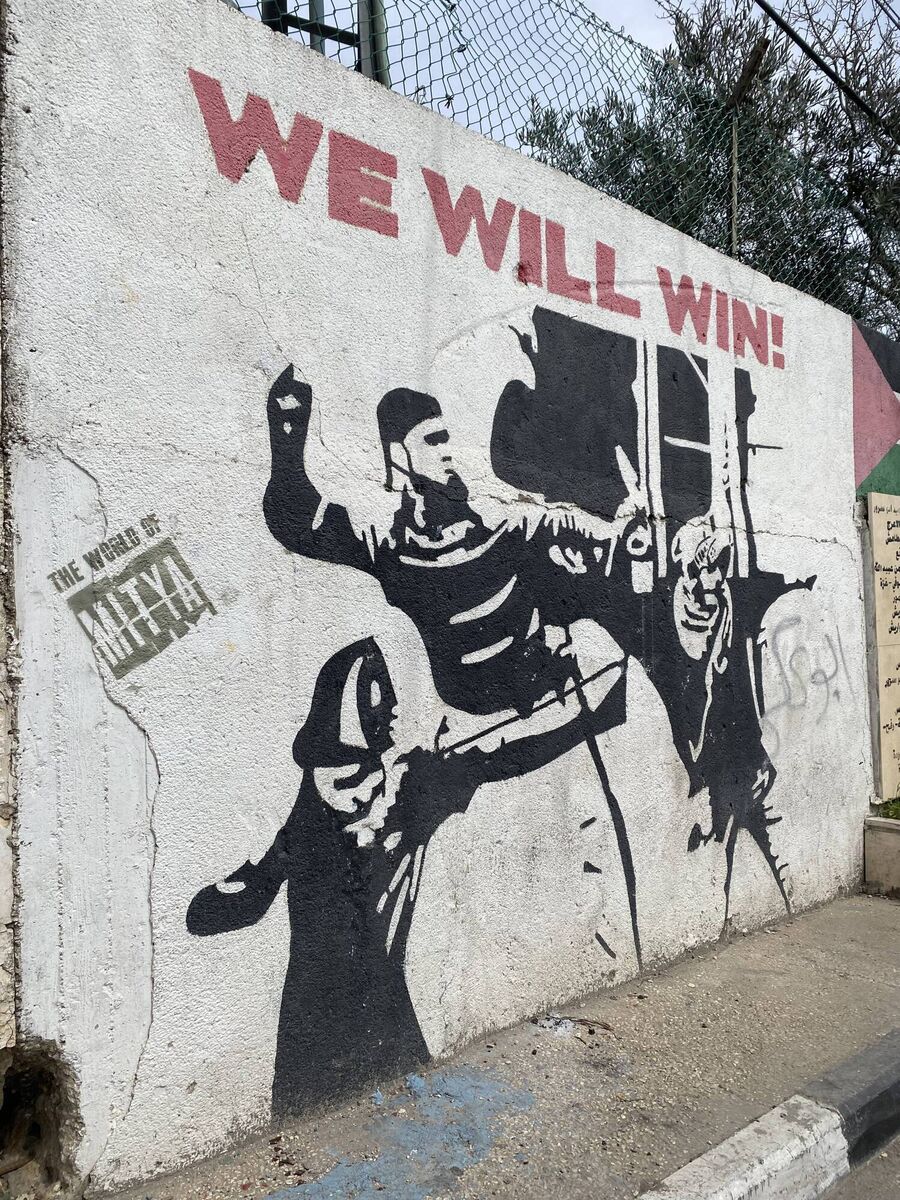
The several foot high mural of a Palestinian boy slinging a stone on the cement walls surrounding the West Bank camp strikes a defiant tone.

On a wall inside the camp, another mural lists the Palestinian villages and towns that now lie inside Israel — which the camp’s residents were expelled from during the Nakba in 1948 with the words: “We will return.”

Behind the brightly painted muralled walls, many families in the small, crowded refugee camp are struggling to cope.

Unprecedented economic hardship across the occupied West Bank, combined with a cycle of arbitration detentions and Israeli military raids has left children traumatised and their parents with scarce resources to help them or themselves.

“People’s lives are challenging and difficult in the camp,” says Carrie Garvin, a Cork-based psychotherapist who first visited the camp as part of a tour with the Lajee Cultural Centre.

On a wall inside the camp, another mural lists the Palestinian villages and towns that now lie inside Israel — which the camp’s residents were expelled from during the Nakba in 1948 with the words: 'We will return.'

“Children’s parents are continually under pressure.”

“The soldiers come at night and, in the day, they arrest people, they hit people, they shout, they search the houses,” says Samira, who is the education director for the Aida Youth Centre.

Two towers built by the Israel Defense Forces (IDF) at the corners of the camp are visible from across the camp.

“Imagine if every day you are wondering if they will shoot someone,” Samira adds.

Women in Aida Camp routinely see their husbands assaulted and arrested by Israeli soldiers, or learn from a neighbour that their husband has been detained at a checkpoint and then often held in Israeli prison without charge.

“It is hard for a woman to be a father and mother at the same time and they want to visit their husbands, but they often can’t as the prisons are far away,” says Samira.

We want the women to talk. We want them to have a moment for themselves

“All these things are in the children’s bodies, in their emotions,” she adds.

“It has affected their education and their behaviour. The children are not like before.”

When the 'Irish Examiner' visits the gym one Saturday afternoon, children and teenagers who are part of a local circus group are warming up for a training session.

For a long time, Samira wanted to start a psychotherapy unit in the Aida Youth Centre — but funding was always an issue.

A chance encounter with Ms Garvin while she was visiting the camp led to a long conversation between the two women about the need for psychological support for the children and their families.

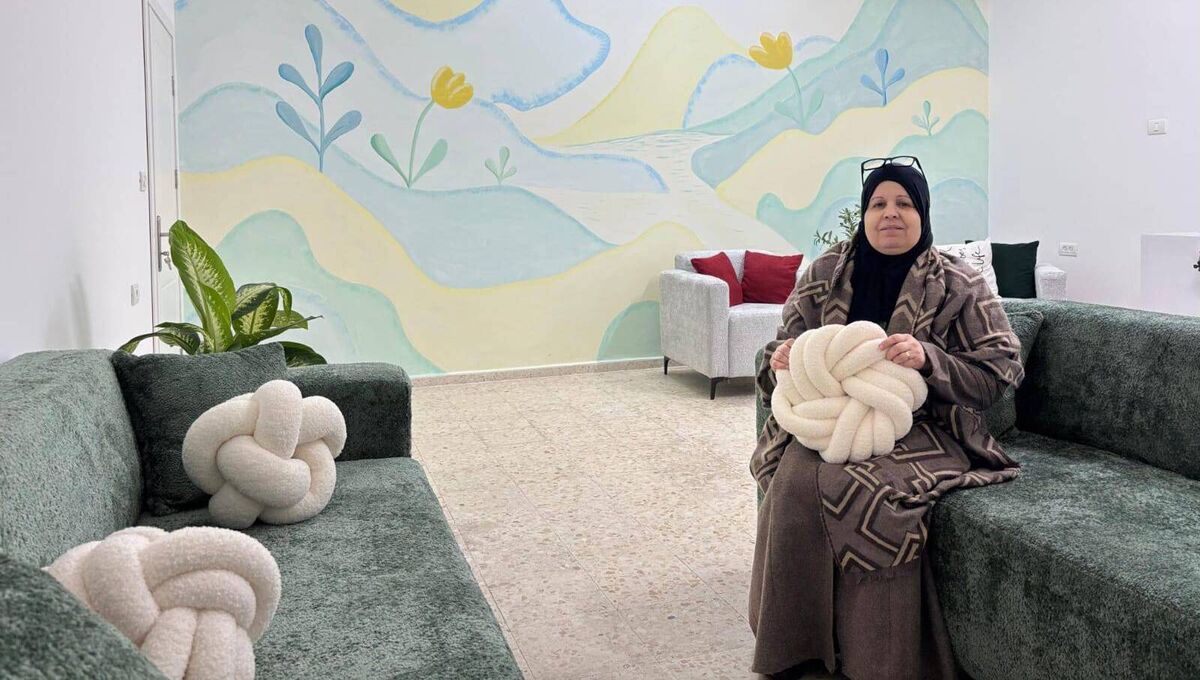
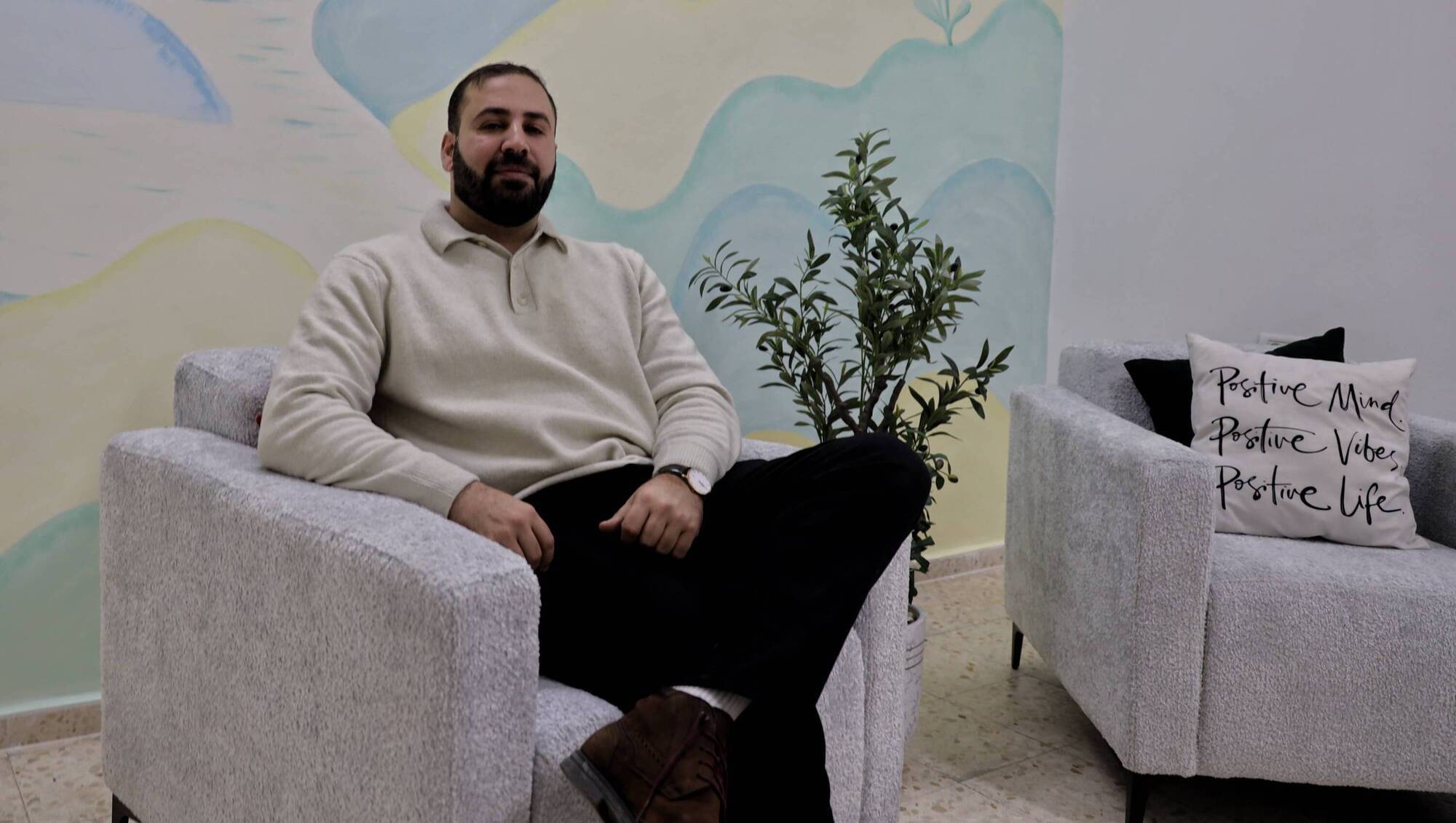
Over the summer, Ms Garvin fundraised €12,000 to help establish the freshly painted psychosocial room that the Irish Examiner visited with Mr Abu Srour.

A new psychologist is due to start at the unit in the coming weeks, while the room is fitted out with a play therapy section.

“People are firefighting their way through the day, and the hope for this space is that it is going to create a space where people can actually begin to look at the impact of trauma on children,” says Ms Garvin.

Because, right now, they’re focused on have the children got an education? Have they got clothes? Have they got food?

There is also a particular need to support dozens of Palestinian children and young men who were released as part of the fragile ceasefire deal in Gaza.

Some returned home to their families after weeks, months and, in some cases, years in often isolated conditions in Israeli detention centres.

A few weeks ago, the camp received a notice from the Israeli authorities that a demolition order had been issued for the small astro turf pitch.

“When it comes to social life, they refuse to engage with any of our activities, to get involved with family on occasions, and would rather stay at home,” says Mr Abu Srour, who is sports director at the Aida Youth Centre.

Teenage boys in the camp often feel stigmatised for being in prison, and they are embarrassed about returning to school and being in a class two or three years below their peers, he says.

Aida’s children and teenagers have few spaces to meet by themselves in the camp.

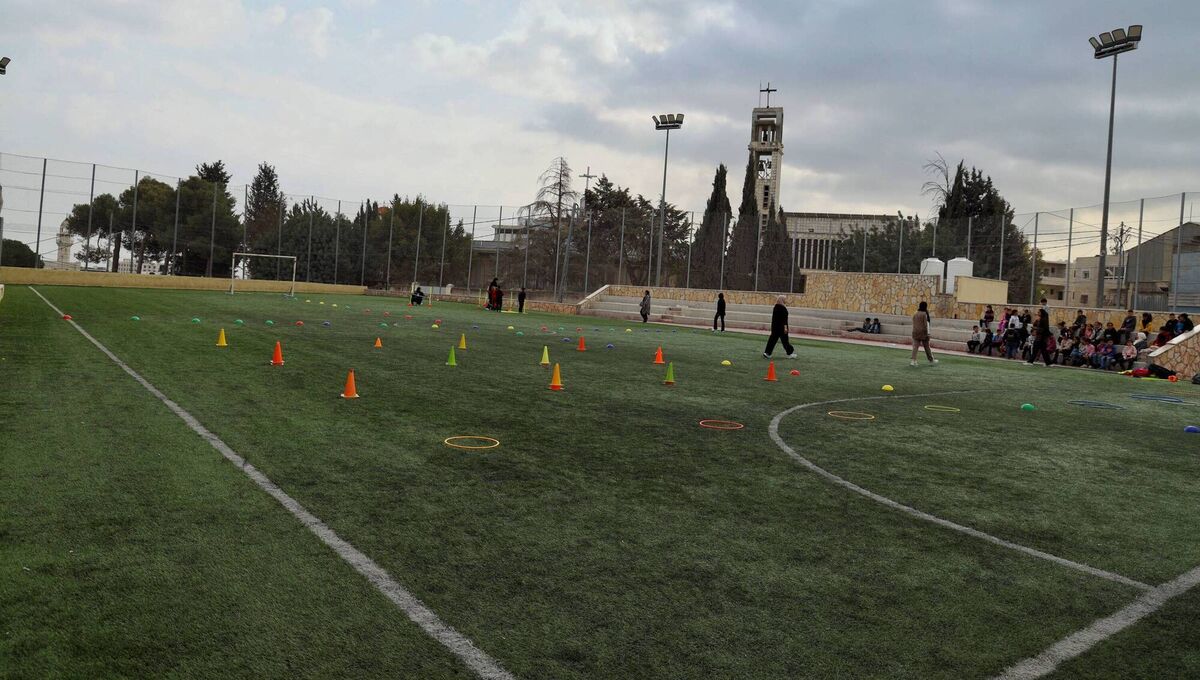
A small football pitch built several years ago beside the so-called separation wall is hosting games for a group of young girls when this newspaper visited. A few weeks ago, the camp received a notice from the Israeli authorities that a demolition order had been issued for the small astro turf pitch.

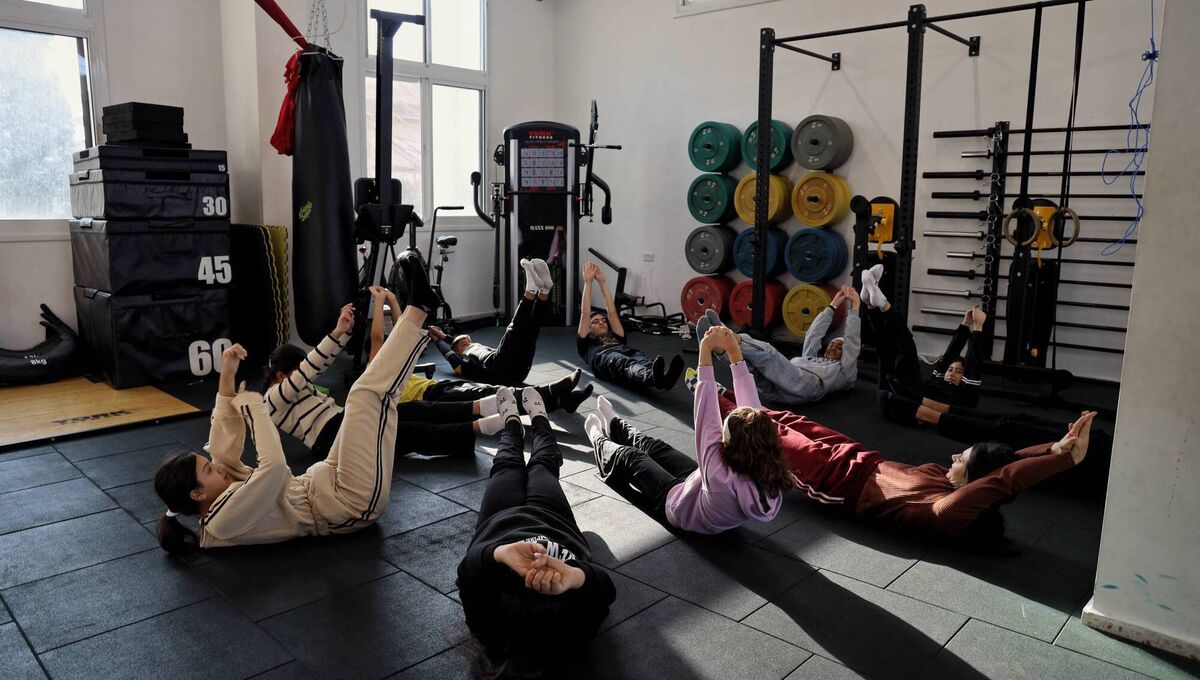
One space that has become an important physical outlet within the confines of the camp is the Aclaí Palestine Gym, located a few metres down the street from the Aida Youth Centre.

Ainle Ó Cairealláin, who ran Aclaí Gym in Cork City before returning to Belfast in 2023, visited Aida Camp seven years ago on the same tour as Ms Garvin.

Samira Abu Srour in the new psychosocial unit at the Aida Youth Centre.

Mr Ó Cairealláin was moved to help the Lajee Centre open a gym in the camp, as the community reminded him of the Catholic neighbourhood in Belfast which he grew up in during the Troubles.

After opening in 2020, and surviving the challenges presented by the covid pandemic, the gym is now busy holding gym sessions from early in the morning to late in the evening.

When the Irish Examiner visits the gym one Saturday afternoon, children and teenagers who are part of a local circus group are warming up for a training session.

While the gym sessions are free, the trained coaches overseeing them are paid, providing an important economic opportunity in the camp.

The gym has become an outlet for women in the camp, who spend much of their time at home, as well as the many who are unemployed and disabled.

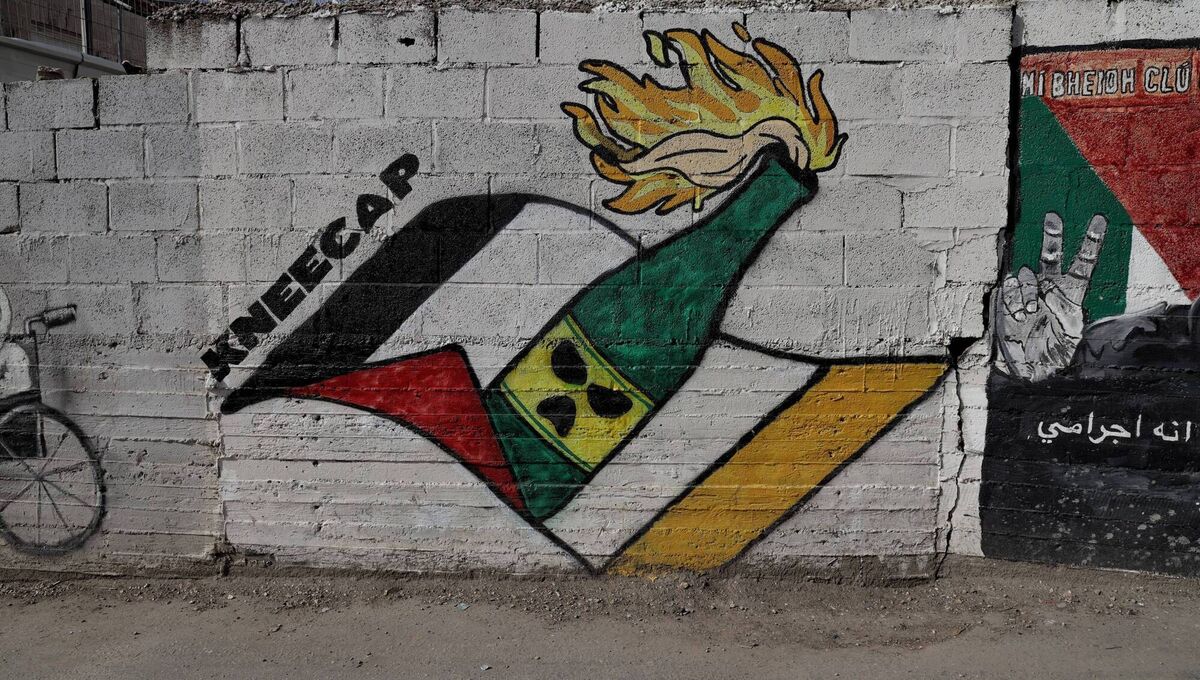
Around the corner from the Aclaí Gym is a fresh mural dedicated to Kneecap — of which Ó Cairealláin’s brother Naoise is a member.

“The gym is helping people to be more social and to build the community,” says Mohammad Alazza, the director of the Lajee Centre in Aida Camp.

Around the corner from the gym is a fresh mural dedicated to Kneecap — of which Ó Cairealláin’s brother Naoise is a member.

The Belfast rap band have recently partnered with the Bohemian Football Club in Dublin to create a football jersey which will help support the construction of a music studio in Aida Camp.

In a statement, Mr Ó Cairealláin said: “We hope that the bridge built with the release of this jersey will be the beginning of an enduring relationship, and that will result in deep connections between Irish and Palestinian artists that might one day share a stage together.”

More in this section

Lunchtime News

Newsletter

Keep up with stories of the day with our lunchtime news wrap and important breaking news alerts.

Cookie Policy Privacy Policy Brand Safety FAQ Help Contact Us Terms and Conditions

© Examiner Echo Group Limited