Daniel McConnell: Families of child murder victims deserve to keep their voice
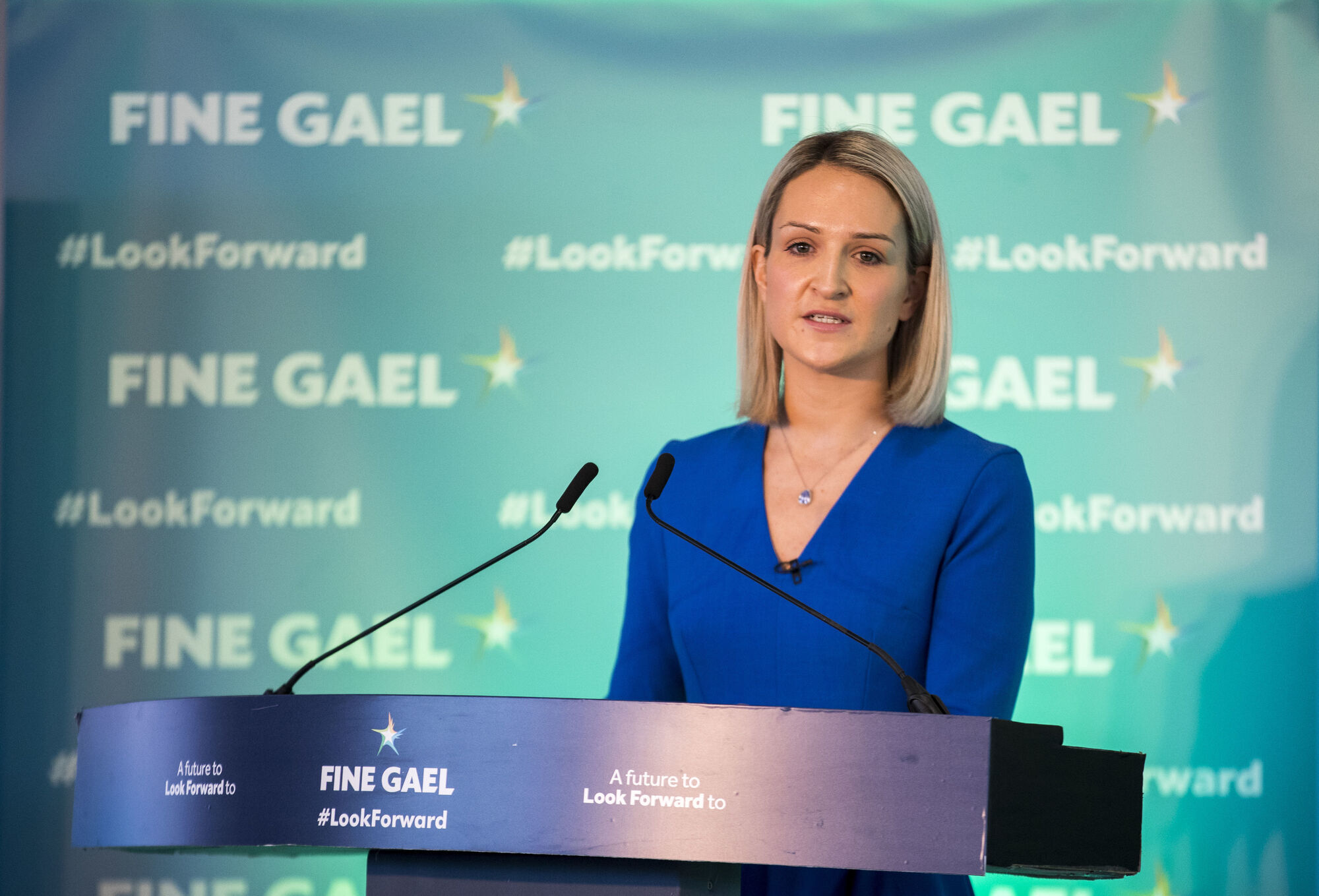
Justice Minister Helen McEntee said amendments to the Children’s Act that would allow the child victims of murder and manslaughter to be named could be completed in a matter of weeks. Picture: Liam McBurney/PA Wire
A controversial ruling by the Court of Appeal last October that child murder victims cannot be named publicly was met with immediate frustration and anger.
The impact of that decision was that the media could not name a deceased child victim of crime, because of a provision of the 2001 Children Act.

The ruling applies, or is triggered, by court proceedings, in that it only comes into effect once a person is charged.
But it was not just the media affected by the ruling. The legal effect meant the families of such victims were also precluded from speaking and therefore had a gagging order placed on them.
Many leading advocates on behalf of victims highlighted the unfairness of this ruling.
As happened in a recent high-profile case of a young child in Dublin, because of the ruling, they were able to be named by their family and the media in the immediate aftermath of the killing, but once a suspect was charged, the publication of his or her name came to a sudden halt.
The absurdity of the lacuna in the law as determined by the Court of Appeal was apparent the morning after the judgement was handed down.
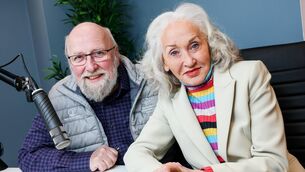
Listeners to on RTÉ radio, hosted by Philip Boucher-Hayes the day after the judgement, heard an interview with the mother of murdered children, who the presenter was not allowed to name because of the ruling. This was despite her appearing on the programme several times before and being named. More importantly, her murdered children were also not allowed to be named.
As the presenter explained: “Justice George Birmingham handed down a decision that he recognised would be seen as surprising and a departure from current practice.
He ruled that a dead child cannot be identified when somebody has been accused of killing them, and under the 2001 Child Act, that applies not just to the specific case that they were looking at, but all cases where a child has been killed.
"This now leaves us in the situation that we can no longer name, not just child victims, but also the person that murdered them, and any other surviving parent for fear that that child be identified.
“So, for reaction to this situation, I’m joined by the parent of murdered children,” he said, in a very bizarre introduction.
The unnamed mother responded by saying “good morning”.
“Normally, I would name you but I’m advised legally, and please don’t think that I’m being glib in saying this, I can only refer to you as mother of murdered children during the course of this interview, but we have spoken to you on this programme before, haven’t we?
"And I’m also advised that we obviously can’t name the children but nor can we name the person that murdered them or, indeed, your relationship to that person. How does that leave you feeling this morning?” he asked her.
“I feel very uncomfortable. I have been interviewed quite a number of times and I have been comfortable with that. I have never had to censor myself but I have to do that this morning,” the mother said, pointedly.
Judge Birmingham’s ruling emanated from an application from the Director of Public Prosecution, who had sought the judge to make an order saying Section 252 of the Children Act 2001 makes it an offence to publish anything that could identify a child who is an alleged victim of an offence, including a deceased child.
As president of the three-judge Court of Appeal, Judge Birmingham found the High Court judges had acted properly in restricting the coverage.
For clarity, section 252 states that in “any proceedings for an offence against a child ... no report which reveals the name, address or school of the child or includes any particulars likely to lead to his or her identification ... shall be published or included in a broadcast".
Judge Birmingham said it was “almost beyond argument” that the court proceedings were in respect of an offence against a child. He said it is not possible to interpret Section 252 “as not including a deceased person who was a child at the time of death”.
In his judgment, Judge Birmingham said: “I appreciate the media may find the ruling surprising and that they may say that it involves a radical departure from what had been a long-established practice. They may say that the outcome is an undesirable one and may be in a position to make that argument with some force.
“Nonetheless, the language of the statute is clear and unequivocal and, enjoying a presumption of constitutionality as it does, must be given effect to.
He said that if change was required and if it was desired to return to previous practice where it was possible to report cases involving the deaths of children, "then it is a matter requiring intervention by the Oireachtas".
“While the outcome may not be a particularly welcome one, I am of the view that the interpretation of the section in issue by the High Court judge was correct, and accordingly, I would dismiss the appeal,” he concluded.
Thankfully, this week, the Cabinet approved a new law which will remove the gag on the families of victims of murder and manslaughter and to allow them to be named.
Justice Minister Helen McEntee said amendments to the Children’s Act that would allow the child victims of murder and manslaughter to be named could be completed in a matter of weeks.
She said that with the support of all political parties and independent TDs and senators, the new legislation could pass swiftly through both houses of the Oireachtas.
The Cabinet approved a draft of the Children’s Act, drafted by Senator Michael McDowell with amendments by the Government that would allow the Act to apply retrospectively.
Mr McDowell and Fianna Fáil’s Jim O’Callaghan had both tabled Bills in the aftermath of a significant ruling by the Court of Appeal last year, which found Section 252 of the act taken literally meant those affected could not be named.
Speaking to the , Mr McDowell said he was “very happy” that his Bill is being progressed and said it was “fine by me” that amendments are being tabled by the government.
He said it was grossly unfair that those affected by such crimes were not allowed to speak and he commended Ms McEntee for taking up the issue.
I have dealt with Helen McEntee and she sees the unfairness of the current situation. The Government’s hearts are in the right place on this one."
Ms McEntee deserve credit for moving relatively quickly in correcting this anomaly but it would be wrong to simply see this as a victory for the media.
The primary concern was that those most directly affected by the gagging order get their voices back.
Within a matter of weeks, it appears that this will happen. This is most welcome.