Dorcha Lee: It's time for people to have their say on our national defences
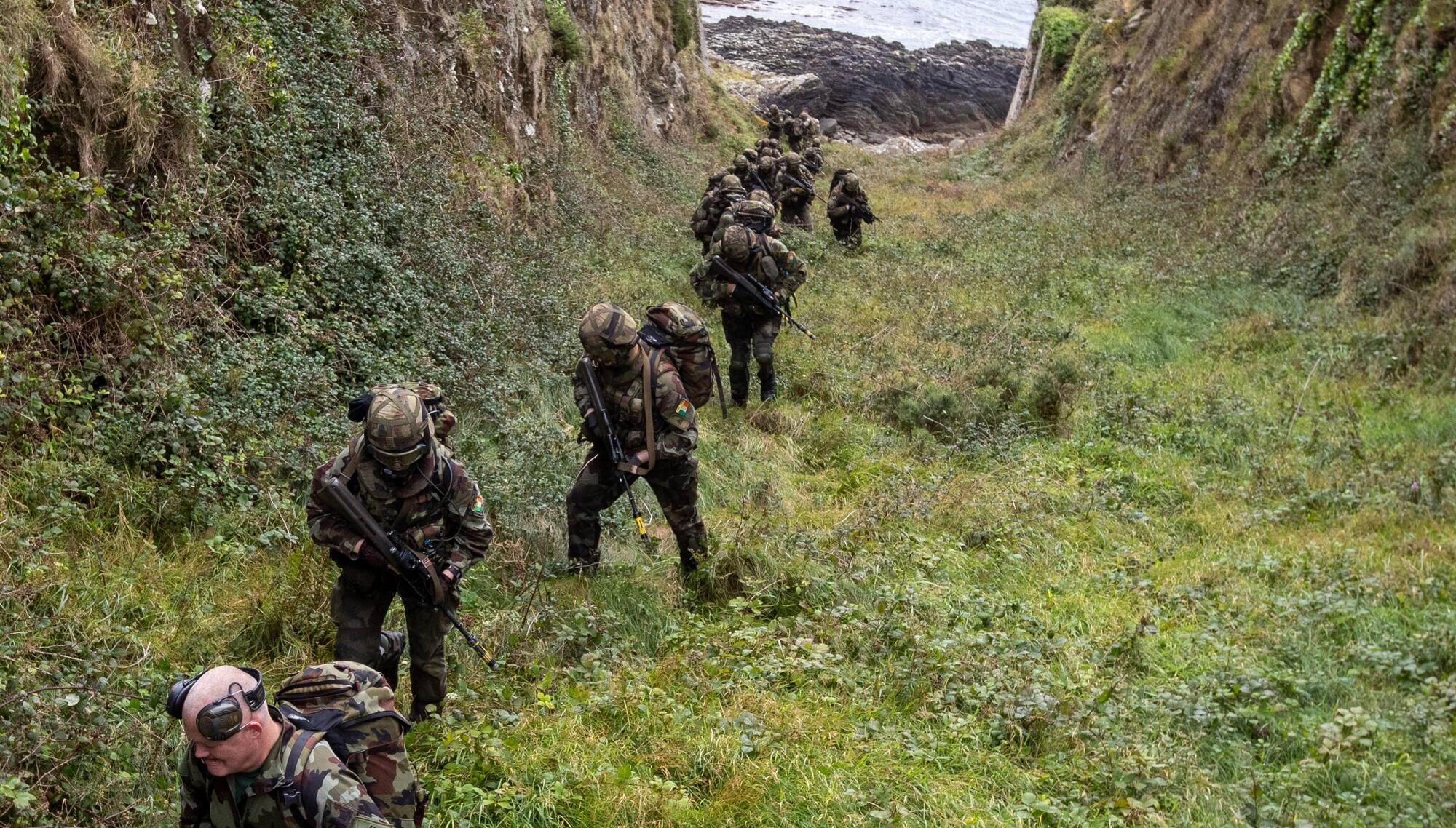
The commission must be free to recommend its independent status, and also free to recommend increasing the level of funding currently provided for defence, or this review body will be a meaningless exercise. Photo: Neil Michael
Public submissions on the Defence Forces Commission have just been invited on the Commission’s website, with a closing date of 5 March.
In July 2014, when Simon Coveney took over as Minister for Defence the first time, he made a crucial decision. A green paper on defence, drafted by his departmental officials, had been in circulation since the previous October, but had only drawn 122 submissions from organisations and individuals.
Most were critical and alarmed at the draft proposals in the green paper. At that time, the lack of overall public interest in defence matters was palpable.
In fact, considering that the Citizen’s Assembly on abortion got 13,000 submissions, an obvious conclusion was that the Irish people were one hundred times more interested in that subject than in national defence. Coveney intervened decisively and stopped the whole process in its tracks.
He hand-picked and appointed a four-person advisory group. One year later than planned, a greatly improved paper emerged; the white paper on defence 2015.
The obvious solution was to set up an independent permanent review body to deal with pay and conditions and a commission on the wider issues of national defence itself. However, the then-government remained largely unmoved by the growing crisis.
It took the sudden and unexpected return to government of Fianna Fáil to break the logjam and make resolving the DF crisis an issue in the Programme for Government. Just before Christmas, in his second coming as Minister for Defence, Simon Coveney, announced the composition and TORs (terms of reference) for the commission on the Defence Forces.
In terms of the composition of the commission, the big surprise was the large numbers of members. With 15 members, the obvious advantage is the wide range of experience and expertise included in the mix.
The choice of a widely experienced former Secretary General, Aiden O’Driscoll, as chairperson is highly welcome. Overall, the military are well represented with six retired officers from different backgrounds.
The selection of former Chief of Staff, Lt General Conor O’Boyle (Retd), is a major reassurance that strategic national defence issues will be properly factored in, when addressing the military capabilities required of the Defence Forces.
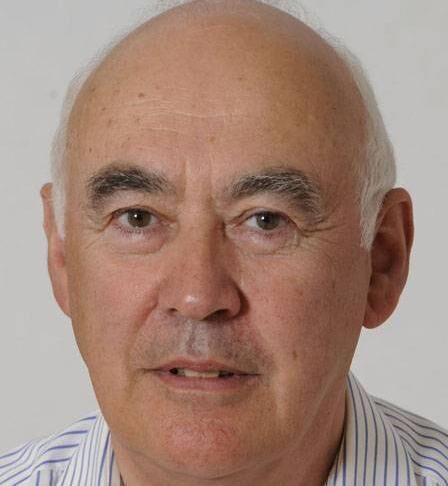
The inclusion of former Ambassador Marie Cross and ex-Senator John Minihan, who were members of the White Paper 2015 Advisory Group, will ensure that the Commission has direct expertise of the defence issues that arose during the White Paper process.
The selection of Lt Col Dan Harvey (Retd) will be a popular choice among the veterans and serving personnel. He is a leading activist on soldiers’ pay and conditions, and a renowned military historian.
The chair would be well advised to co-opt or contract an experienced ex-Air Corps Officer, and a cyber expert, as early as possible in the process.
In a recent clip on TV, the Minister has accepted the concept that national defence is five-dimensional, land, air, maritime, space and cyber. Since the Programme for Government has remained silent on Ireland developing its own military space programme, it can be assumed that this area will be addressed in conjunction with our EU allies.
While the TORs are surprisingly short, they do allow the Commission the latitude to address most of the parameters that have a bearing on the Defence Forces.
In considering military capabilities required by the State, the issue of minimum deterrence should be considered. The ability to make it too costly for a potential aggressor to attack or invade is fundamental to national defence for all nations, large and small.
The Commission on the Defence Forces website now live at https://t.co/plgQjr8jRE. A Public Consultation has commenced and guidelines are available on the website. #HaveYourSay by Friday 5 March 2021 @simoncoveney @defenceforces @IRLDeptDefence @DF_COS @MccrumJacqui @joseph_aidan pic.twitter.com/TwMS7vWFiA
— Commission on the Defence Forces (@IRLCoDF) January 22, 2021
The inclusion of a permanent review body on remuneration systems is welcome. However, the commission must be free to recommend its independent status, and also free to recommend increasing the level of funding currently provided for defence, or this review body will be a meaningless exercise.
I would appeal to those who are concerned about national defence to submit their ideas, to info@codf.gov.ie.
For supporters of the lost brigade in the west, for the resurrection of the 4th battalion in Cork, for the restoration of all those lost essential specialists positions in the three components of the Permanent DF, please state your case to this Commission. Likewise, for a revitalised Reserve Defence Force.
The Air Corps and Naval Service are tasked with the air and maritime defence of our proud and sovereign nation. Their anachronistic and effectively demeaning titles should be dropped.
The commission has the opportunity to recommend that best international practice be followed, and that they be re-designated as Air Force and Navy, respectively.
- Colonel Dorcha Lee (Retd)is a former Defence Forces Provost Marshal and Director of Military Police
CONNECT WITH US TODAY



Be the first to know the latest news and updates