Ireland takes its seat on UN Security Council as global tensions mount
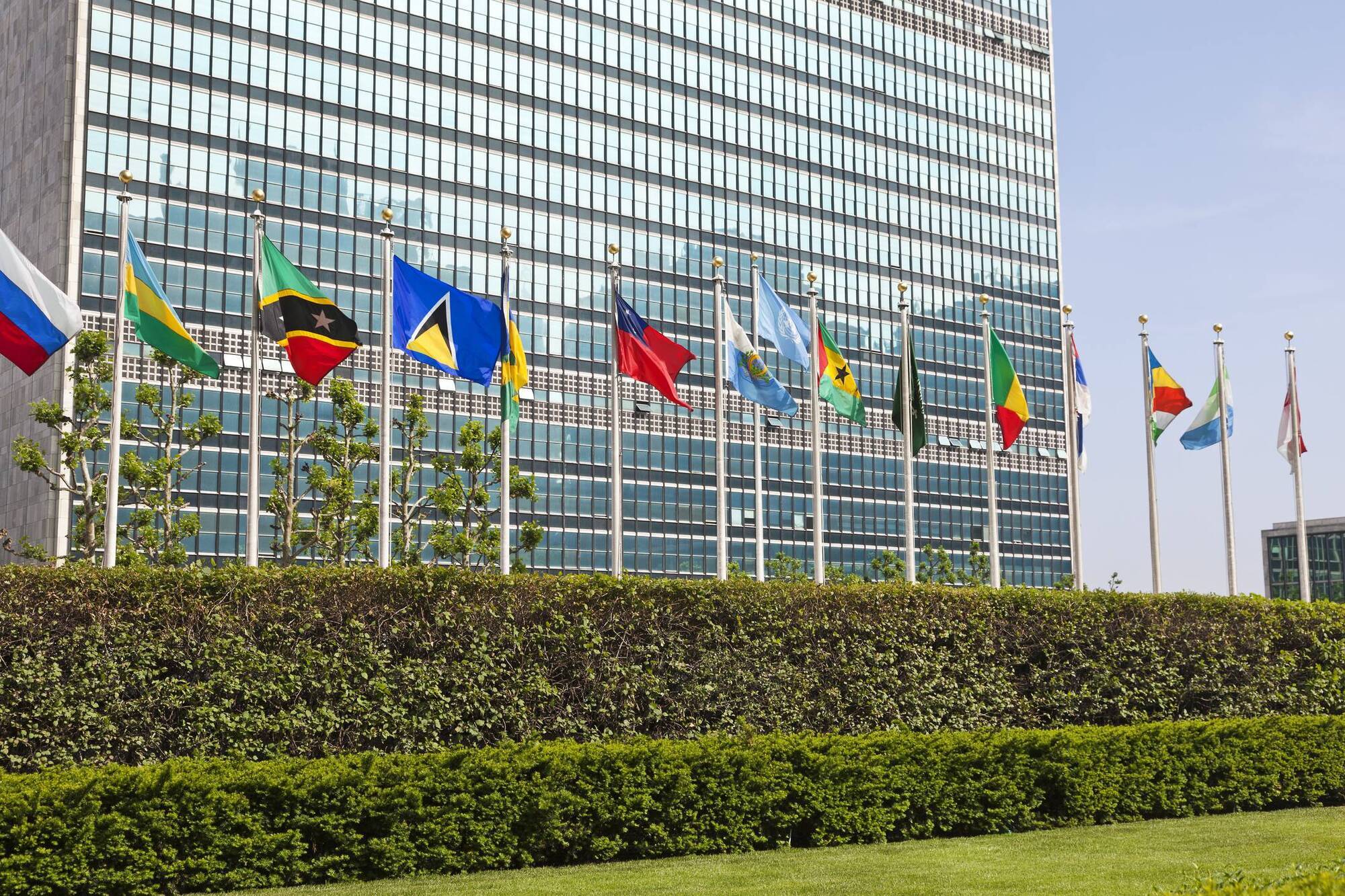
Ireland intends to push peacekeeping as main area of influence and expertise
Ireland takes its seat on UN Security Council as global tensions mount

It’s been 20 years since Ireland last sat at the top table in policing global security.

Today it joins the UN Security Council at a time of significant tensions between the major powers, particularly the US and Russia, and China.


Ireland hopes that it will be able to bring with it the influence and expertise earned from decades of honourable service in UN peacekeeping.

In addition, it will carry the weight of EU foreign policy. It will be one of just three EU member states on the 15-member body, along with France (a permanent member) and Estonia.

It’s a big moment for the country and the Department of Foreign Affairs (DFA).

It is Ireland’s fourth time on the council: the first time was in the 1960s, then 1981-82, 2001-02 and now another two-year stint, covering 2021 and 2022.

It takes up the position, along with other newly elected members, on New Year’s Day, with the first meeting (virtual) scheduled for January 4.

The security council consists of a core of five permanent members — US, UK, France, Russia, and China — and 10 elected members.

The 10 states elected join for two full years and are split into five batches. Ireland joins with Norway, Kenya, India, and Mexico.

Five current elected countries staying on for another year are St Vincent & the Grenadines, Estonia, Tunisia, Niger, and Vietnam.

The security council is tasked with the maintenance of international peace and security and deals with major security crises — if the permanent members allow it.

If any of the five core members veto an issue — such as the annexation of Crimea — then it is not addressed.

The council has a major responsibility by drawing up mandates for peacekeeping operations. There are currently 14 of them and are so-called ‘Chapter 7’ missions (under Chapter 7 of the UN Charter) and include an enforcement mandate.

There are a huge range of special political missions — where there is a threat to international peace and security, but isn’t so serious to warrant deploying a peacekeeping mission. 

In these situations, the UN secretary general sends a special envoy to try and pull together conflicting parties for talks and support them in terms of peace building and state building. There are up to 35 of those.

The council also has a busy agenda dealing with country-specific crises — such as Syria, Yemen, Iraq, Iran, Haiti, Venezuela, Mali, Somalia, Sudan and South Sudan, where there are either conflict or proliferation issues.

Issues of conflict

In addition, the council deals with “thematic issues”, which are considered to drive conflict or make them worse. 

These include women, peace and security agenda, youth peace and security, children in armed conflict, protection of civilians, respect for international humanitarian law and climate and security.

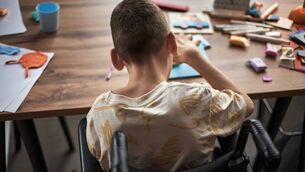
Children caught up in armed conflicts in places such as Sudan.

There are 19 subsidiary bodies, or sub-committees, under the council.

Member states sit on these committees and each of the elected members chairs two to three committees.

Some 14 of the bodies are sanction committees — where the UN can impose sanctions on individuals, companies or regimes for significant violation of human rights and international humanitarian law. These include Sudan, Afghanistan, Daesh (ISIS) and the Taliban.

Peacekeeping

One of the issues Ireland intends to push is an area it can boast considerable experience in: peacekeeping.

Since 1958, a day has not passed without Irish peacekeepers serving on UN peacekeeping operations. Ireland is the only nation to have a continuous presence on such missions.

Of the 14 current operations, Ireland is participating in about half of them. There are in the region of 560 members of the Defence Forces deployed on these missions, both UN missions and UN-mandated EU-led missions.

Peacekeeping is a “big priority” for Ireland, according to senior sources.

“We will bring our experience of peacekeeping and what works and doesn’t work to the council — make sure the mandates are clear and are well resourced, and fit for purpose,” said one source.

While there have been some questions around Ireland’s ability to sustain its high level of international peacekeeping, given the issues of attracting and retaining recruits, the DFA does not see any doubt about Ireland’s commitment to sustaining our long tradition.

Ireland has one of the highest per capita deployment in UN peacekeeping missions of all countries.

Ireland also wants to push issues of clear mandates for missions and proper resourcing of them.

Some mandates are considered overly complex and detailed, asking missions to perform an enormous number of tasks.

The DFA has been working with the Defence Forces.

The DFA has set up a working group with the Defence Forces and the Department of Defence, examining the mandates of all their missions and what was needed to make them clearer.

Ireland wants to ensure that the mandates are properly resourced and that what’s agreed at the council is provided for by the budgetary section of the UN.

Other issues Ireland plans to highlight during its stint include climate change and security and women, peace and security.

Ireland maintains that climate is a particular important issue in security and can drive or worsen local crises, including in the Horn of Africa and the Sahel region, making conflict more difficult to solve and creating further crises, including in terms of refugees.

Women, peace and security is seen as another big priority for Ireland, with the DFA maintaining that there is clear evidence that having women involved in peace keeping, in peace negotiations and state building were key indicators of success.

This issue, as well as the Iran Nuclear Deal and the Horn of Africa are sub-committees that Ireland is hoping to get the chairs of, with each elected country given two-to-three committees to run during their terms.

The Horn of Africa and Somalia is a region of the world Ireland has a long connection with, with long-term aid programmes operating in Ethiopia, Kenya and Uganda, with Irish embassies in each of those states. Ireland also has aid links in adjacent Tanzania as well as an embassy there.

High-profile assignment

With conflicts in Somalia and Ethiopia it would be a tense and high-profile assignment for Ireland.

The Iran Nuclear Deal or the Joint Comprehensive Plan of Action (JCPOA) is another of the sub-committees Ireland expressed an interest in chairing.

The world is waiting to see if the new Joe Biden administration will mark a reversal in US foreign policy. Picture: AP Photo

The 2015 agreement, signed by the council permanent members, the EU and Iran, sought the dismantling of Iran’s nuclear programme in return for phased lifting of sanctions.

Ireland’s view was that Iran was largely compliant, before the Trump Administration unilaterally withdrew from the agreement in 2018. Ireland believes the agreement is the only route to make sure Iran doesn’t manufacture a nuclear weapon and wants the US back in and for Iran to comply again.

It’s one of the areas Ireland had a significant disagreement with the US and an area that Ireland might have some agreement with Russia in getting the deal going again.

Like with so many issues, including climate change and security, Ireland is waiting to see if the new Biden Administration will mark a significant reversal in Trump’s foreign policy.

The Biden Presidency may restore the deep damage caused by President Trump in terms of relations between the US and the EU.

Develop allies

But Ireland hopes to develop allies beyond the natural ones it has from a foreign policy perspective.

The DFA believes Ireland will bring the weight of EU foreign policy behind it, but believes it is also seen internationally as an impartial, independent country with none of the geo-political or economic self-interests that many other nations have.

As well as the more obvious EU allies in Estonia and France, broader European allies in UK and Norway and a new Biden-led US, Ireland will also look to its relationships with other countries on the council, such as Kenya, and a new heavy hitter in India.

India, like Ireland, has a long history in UN peacekeeping and one of the biggest contributors to it. Ireland could work closely with India on issues regarding peacekeeping mandates and resourcing.

Tensions

Ireland is conscious that the arrival of India on to the security council could add tensions with disagreements with China likely to flare, following border skirmishes between the two countries this year.

Officials know they are entering an already fragmented council with major tensions among the permanent five, particularly between US and Russia and US and China.

Russia and China are frequent users of the veto – preventing any issues they feel threatens their policies from entering the agenda of the council.

Both countries not only block issues that directly relate to their own countries or spheres of influence but other issues that interfere generally with the sovereignty of states or human rights issues.

Even still, Ireland maintains it has been clear on Russia’s rejection of international law with the annexation of Crimea and military interference in eastern Ukraine and China’s treatment of its monitories.

On the growing threat posed in the cyber realm, Ireland believes that Russia and China will not let cyber security come on the agenda of the UN security council.

Ireland will get its monthly presidency of the council in September, which it can use to highlight key issues important for the country.

Given it will be another 20 years before it’s on the council again, it will be keen to use that opportunity to the full.

x

More in this section

Revoiced

Newsletter

Sign up to the best reads of the week from irishexaminer.com selected just for you.

Cookie Policy Privacy Policy Brand Safety FAQ Help Contact Us Terms and Conditions

© Examiner Echo Group Limited