Comment: Cancer care needs life-saving strategy in Budget
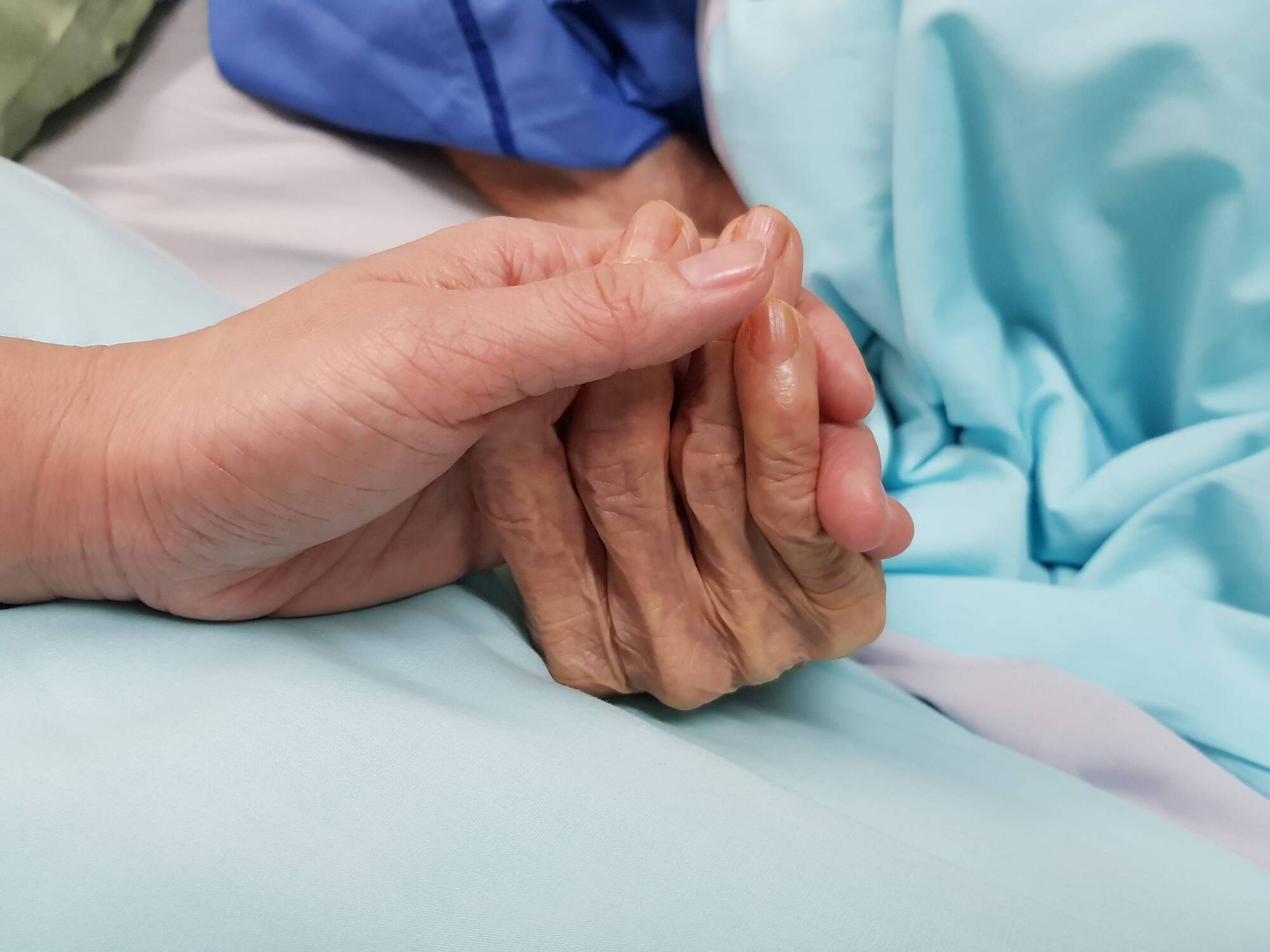
More than 9,000 people a year die from cancer in and services are struggling to cope. File Picture.
Towards the end of March, all non-urgent surgery, health procedures, and services were postponed.
Seven months on, one of the most important budgets in the history of the state may impact the course for our health services for years to come.
Governments constantly face tough choices, never more so than in recent months. Although this decision was the right one to take at the time, it brought unimaginable distress, anxiety, and fear across the cancer community, compounded by the severe isolation vulnerable patients and carers suddenly found themselves in.
Now, because of a lack of sustainable and consistent investment in cancer services over many years, these life-saving services are struggling to recover.
Cancer patients and healthcare professionals are struggling in a system that lacks adequate capacity, resources, staff, and resilience.
The uncomfortable truth is that the crisis in cancer care was bubbling under the surface well before Covid-19 and the pandemic has just made things worse. Before Covid-19, targets in the National Cancer Strategy relating to timely access to diagnostics, surgery, and radiotherapy and were all being missed.
This is a direct consequence of consistent underfunding of a system that has been running to stand still and which has frequently budgeted in the knowledge that it will not meet demand.
Unless significant funding for cancer services is provided in Budget 2021, people will not be diagnosed and treated within a timeframe that gives them the best chance of surviving the disease.
Ireland is already in the bottom half of cancer survival league tables, compared to other developed countries. Unless cancer services and professionals are given the resources needed to expand and respond to increasing demand, Ireland will slip further down these survival league tables.
More than 9,000 people a year die from cancer in Ireland. It is the country’s biggest killer.
Yet, investment in cancer has been lacking in recent years. In the briefing document given to Health Minister Stephen Donnelly when he arrived at his department, officials pointed out that of the €46m needed for cancer services between 2018 and 2020, only €6.3m was allocated. For every €1 required, only 14c was provided.
The impact of this is very real. In the case of radiology services, used to diagnose many cancers, at the end of 2019, 65,000 people were waiting for longer than six months for a CT, MRI, or ultrasound appointment. Almost 185,000 patients were on the national radiology waiting list, which represents all outpatients waiting for urgent, semi-urgent, routine, and surveillance radiology services.
For a hospital that has an MRI waiting list of 5,000 patients, even if the outpatient service was shut down entirely to new patients, it would take a year to complete all the scans needed.
Inevitably, there will be patients with malignancy who will get labeled as routine. This can happen for cancers that present in atypical ways. For example, a patient with metastatic cancer may present with back pain only. But back pain is very common and could easily be triaged as ‘routine’. Without investment in radiology, the outlook for someone on a routine list with an undiagnosed malignancy is very worrying.
In the case of cancer surgery, which is a life-saving operation for many people, operating theatres are struggling to meet demand. We are concerned that the ‘non-urgent’ cancer cases are being left behind. Prior to coronavirus, only seven-in-10 people received their surgery within the timeframe that they should. We know from ministerial briefing documents that, in July, surgical capacity was at 50% compared to last year. The winter period also reduces surgical capacity by 15%. On top of the HSE requirement that hospitals work at 80% to keep capacity for Covid-19 patients, what will this mean for a non-urgent cancer patient on a surgical waiting list?
There have been many missed opportunities to build a health system that is resilient, robust, and future-focused. But decision-makers have another chance in Budget 2021 to claw back some of the ground that has been lost in recent years.
For people with cancer, delivering the vision in the National Cancer Strategy is critical and this will require substantial investment to turn around the underfunding of previous years. One of its central aims is to move Ireland from the bottom half of the cancer survival league table to the top quarter of OECD countries by 2026.
But this life-saving strategy cannot become another document consigned to the scrapheap of Department of Health history. The alternative is later cancer diagnoses, later cancer treatment, and the associated poorer quality of life and declining cancer survival rates.
Ahead of Tuesday, Government faces a choice. Either the pattern of underfunding cancer services continues and people’s chances of surviving the disease decreases, or significant and sustainable funding is provided and the country starts to build back a better cancer system than was in place before Covid.
CONNECT WITH US TODAY



Be the first to know the latest news and updates