Child domestic abuse, like Covid-19, respects no boundaries
Sometimes, for younger victims of violence, staying at home can be more dangerous than the virus, write Stephanie Holt and Ruth Elliffe
Child domestic abuse, like Covid-19, respects no boundaries

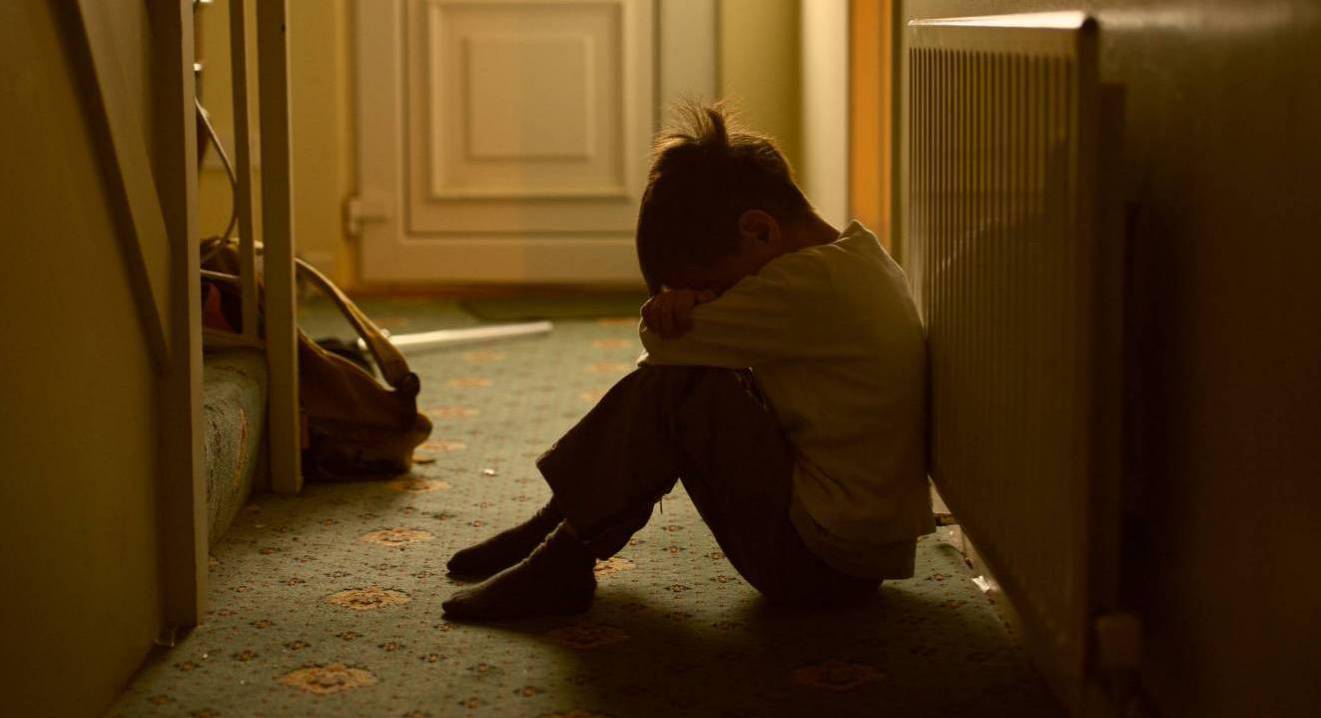
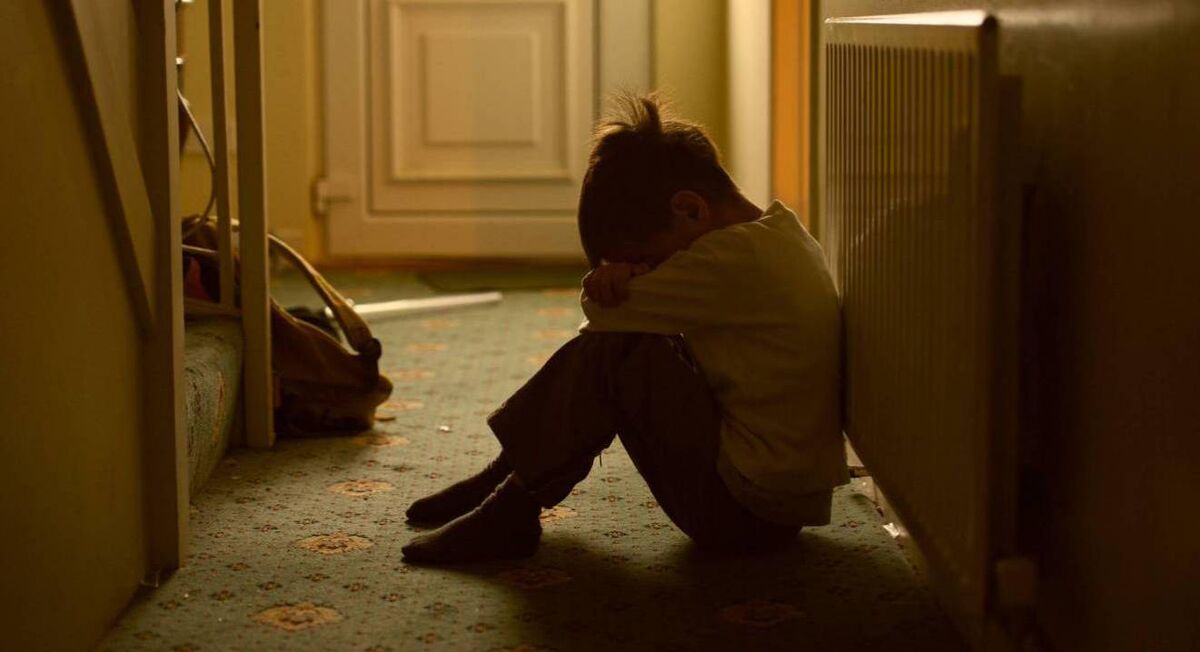
The safety nets in the life of a child who lives with domestic violence have been removed during the lockdown.	Picture: iStock
The safety nets in the life of a child who lives with domestic violence have been removed during the lockdown. Picture: iStock

Sometimes, for younger victims of violence, staying at home can be more dangerous than the virus, write Stephanie Holt and Ruth Elliffe

Across the globe, health and safety measures to protect against Covid-19 — involving lockdown, cocooning, and restriction of movement — have led to unintended consequences for those in our communities for whom home is not a safe haven.

Sometimes, staying at home can be more dangerous than the virus itself. Recorded and reported spikes in calls to helplines from (largely) women experiencing domestic violence have led to calls for concerns for the measures that were designed to keep victims safe — yet our understanding of who those victims are needs a sharp reality check.

Why? Because the children in these families are less visible or even ‘invisible’ — they are not only victims but also powerless.

For too long, children have remained on the periphery of our focus on and understanding of domestic violence — mistakenly seen as passive bystanders in what has traditionally been understood as an adult problem.

Children see and hear much more than adults may like to believe.

The myth of children sleeping through violent incidents during the night or having no knowledge of the abuse occurring in the home needs to be quashed.

What do we know about how children experience living with domestic violence?

Children who live in homes and in families where there is domestic violence and abuse tell us that they are no more immune to its impact than they are to Covid 19.

Living front and centre in the firing line of domestic violence, children see, hear, and live with this abuse, with terror, anxiety and fear becoming part of their daily functioning.

Children’s accounts tell us that police, teachers, support workers, friends, and family members are all important in helping them cope with and recover from this experience.

They also tell us that their coping and recovery relies heavily on several factors:

  • the safety and sanctity of school;
  • on the buffering support of grandparents and extended family;
  • on the resilient power of friendship;
  • the cushioning routine and regularity of sport;
  • and the interventions and support of professionals who listen and understand.

These safety nets, these safe zones in the life of a child who lives with domestic violence have been removed during this lockdown period.

Movement restrictions, unemployment, homeschooling, and perhaps increased alcohol and drug use, all combine to make for a very stressful home environment for a child and even more so if one of their primary carers is a perpetrator of abuse.

Ryan Tubridy recently opened his daily RTÉ radio show by inviting commentary on a storyline in Coronation Street on domestic violence.

Yet again, this storyline focused on the all-too-familiar typecast situation involving violence and abuse between two adults — a male perpetrator and a female victim.

Yet again, we question why these storylines generally do not contain children — a missed opportunity to highlight the youngest, most vulnerable victims in a family experience of domestic violence.

As if responding to our questions raised above, adult callers to Tubridy’s show reflected on their own childhood experiences of living with domestic abuse: how they learned pretty quickly how to please and not get in the way; how to avoid injury and equally how to take it when it meant their mother was spared; how in adulthood some experienced their own abusive relationships, concerned for their own children who they feared would grow up to be what one contributor termed ‘a perpetual legacy to domestic violence’, where power, control and abuse become a normal part of relationships.

Tubridy referred to the damaging power of ‘gas lighting psychological violence’ or coercive control, that underlies and dominates every fibre of the child’s developmental pathway through childhood.

Many children may not relate their experience to domestic violence until perhaps a professional has helped them to name what was happening as abuse in their home.

In order for us to begin to address the toxic impact that living with domestic violence has on children, we need to start by seeing them and hearing them, naming their experiences as abusive and making visible the oft invisibility of those experiences.

Like Covid-19, domestic violence and abuse respects no boundaries — geographical, religious, class, or culture.

Also like Covid-19 however, it impacts more severely on those most vulnerable.

That includes children, who not only hear it, see it, and experience the consequences of it, but are also actively managing their own safety and those of their mothers and siblings.

And so, as our country begins to emerge from lockdown while the world focuses on finding a vaccine to protect against the pandemic that is Covid-19, please remember that childhood is not a vaccine against the harm and hurt that is symptomatic of domestic violence.

- Dr Stephanie Holt is an Associate Professor and Head of School, and Dr Ruth Elliffe is a Teaching Fellow, School of Social Work & Social Policy, Trinity College Dublin.

More in this section

Revoiced

Newsletter

Sign up to the best reads of the week from irishexaminer.com selected just for you.

Cookie Policy Privacy Policy Brand Safety FAQ Help Contact Us Terms and Conditions

© Examiner Echo Group Limited