Thanawat Tiensin, Agnes Kalibata, and Martin Cole: Urgent action is needed to assure food security
, , and assert that the UN must bring forward its plans to address poverty and safeguard our global food security
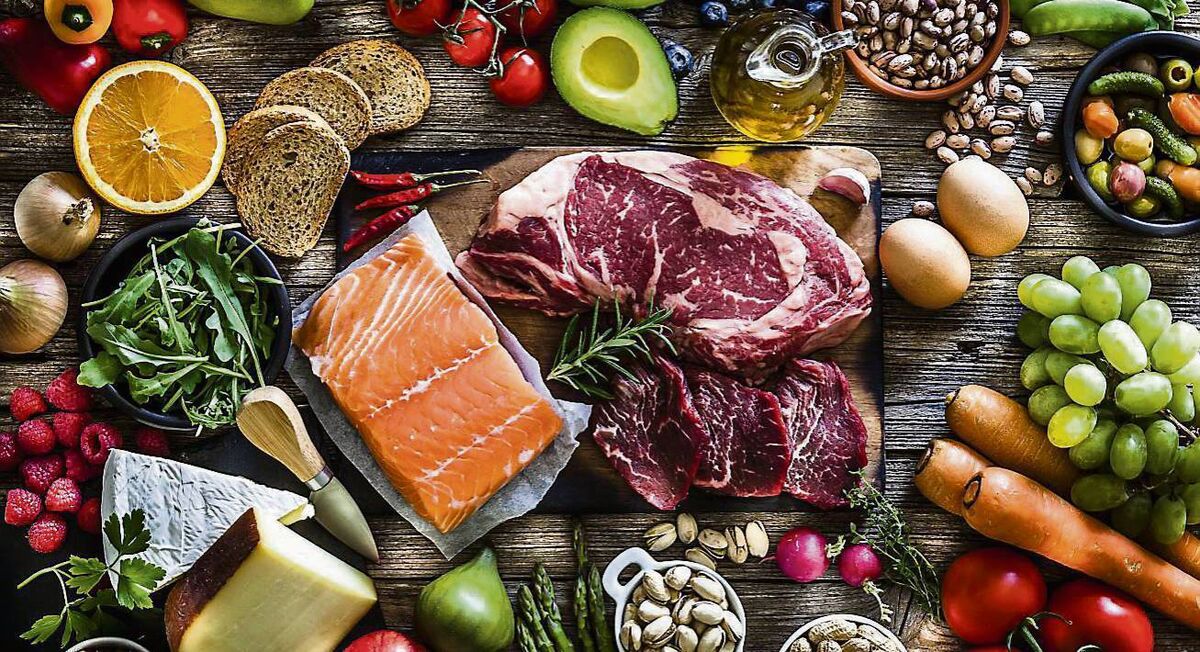
COVID-19 has been slowly creeping into our communities. As we seek to ensure our families’ health and safety, to many people, food has never seemed so important, both as a source of nutrition and, for many, of comfort.
The question is whether, as economic disruption continues, we can stave off a pandemic-related food crisis.
What and how we eat affects our health and wellbeing. We depend on farmers to continue working their fields, on supermarket staff to show up at their jobs, and on drivers to deliver our food to markets or front doors.
However, there are strains. In some places, nutritious food is becoming scarce. Among other concerns, food is being hoarded, leaving little on shelves for consumers.
All of us must act. We must work together to save lives, meet immediate needs through emergency responses, and plan for longer-term solutions to support recovery and build resilience. Governments and responsible leaders need to promote and protect reliable, safe, and affordable food supplies, especially for the world’s most vulnerable.
Before the coronavirus outbreak, food insecurity was already a severe problem.
More than 820m people — one in every nine — do not have enough to eat. Of these, 113m are coping with hunger so severe that it poses an immediate threat to life and livelihoods.
The pandemic’s economic impact will cause these numbers to rise. The most vulnerable groups are the urban poor, inhabitants of remote areas, migrants, the informally employed, people in conflict areas, and other vulnerable groups. As the Global Alliance for Improved Nutrition recently noted, malnourished individuals with compromised immunity are more at risk and susceptible to the spread of the virus.

Any effective response to a Covid-19-related food crisis requires examining how to restructure our global and national food systems. The goal is to ensure political and financial stability, protect our communities from poor health and environmental degradation, and ensure economic vitality. Like medical care, food must be allowed to cross borders freely. Food producers must ensure that healthy, nutritious foods are available and not wasted.
As we learned during the 2008-09 great recession, governments — with the support of financial institutions, the United Nations, and others — can mitigate the risk of global food shortages and high prices. Stimulus packages stabilised the agricultural sector with seed distribution and fertiliser programmes and subsidies for tractors and other machinery. Consumers received food assistance and school meals.
Governments need to conduct transparent dialogues with businesses, technical agencies, academia, and civil society to address the emerging risks. We need to build on existing global mechanisms such as the Committee on World Food Security to prevent nutrition crises.
Such entities provide platforms for policy discussions and a clearing house for guidance tools. Above all, officials must promote stability, transparency, accountability, the rule of law, and non-discrimination in framing food regulatory standards.
Moreover, governments should establish or strengthen social protection mechanisms to protect the most vulnerable.
The elderly, handicapped, people who are pregnant or breastfeeding, infants, school children, and prisoners who depend on feeding programmes, are most susceptible to food insecurity.
It is essential that we increase the resilience of our food systems. Strengthening the management of markets and building redundancy to prevent supply-chain disruptions will help ensure that these systems function smoothly during the crisis.
Activities related to production, storage, distribution, processing, packaging, retailing, and marketing of food must not cease. Businesses should keep innovating. And we need measures to protect food workers and prevent the spread of Covid-19.
Now is not the time to panic. We must show solidarity within our communities so that indigenous peoples, family farmers, and small rural producers continue to plant, harvest, transport, and sell food without endangering safety. It can be done.
Let us help one another get through this.
Before the onset of this pandemic, UN secretary-general António Guterres scheduled a food systems summit, to be convened in 2021, with the goal of strengthening food security and environmental sustainability. We cannot wait. Action must begin now.
Thanawat Tiensin is chairwoman of the committee on world food security (CFS). Agnes Kalibata is the United Nations secretary general’s special envoy for the 2021 food systems summit. Martin Cole is chairperson of the CFS high-level panel of experts on food security and nutrition.
CONNECT WITH US TODAY



Be the first to know the latest news and updates