Include parents from disadvantaged areas in discussions on child education
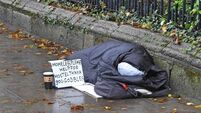
While most families scrape by to get their children back to school, there are others for whom their children’s education is a secondary concern to getting them through life.
The evidence can be found in a recently-published study with parents in a council estate of one of our inner cities whose children left school early.
While they valued education, they highlighted to researcher Gavin Doyle how it came second to just surviving. But in many cases, the low expectations of teachers, politicians, and society, contributed to sons or daughters
dropping out of school.
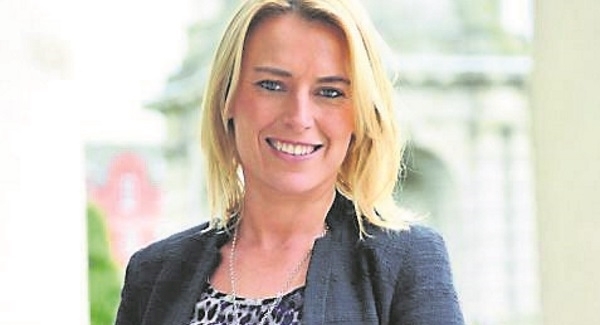
The passionate contribution of Senator Lynn Ruane to an Oireachtas education committee hearing this
week dealt not just with the effects of poverty on some pupils at school, but how it can impact them at home.
She described the shame felt by children whose mother makes them hide at home whenever the moneylenders call looking for the €55 a week they have to repay on a €1,100 loan taken out in August: “You’re hiding in the kitchen, and this is to send your child to school — because a knock has come to the door and you know you have to pay your rent that week.”
She went on to speak of situations parents have told her about when children were stood up in classrooms and called out on amounts owed for books. In other cases, she said, children have been sent home from school for wearing the wrong shoes.
Who sends a child home because they had to wear their runners because their mam is waiting to be paid to buy a pair of black shoes because there’s a hole in the shoe and it’s the middle of winter? That just shouldn’t be happening,” she said.
The anecdote reflects one in an article on the research by Mr Doyle, who completed a master’s degree in educational psychology at NUI Galway in 2013. In the article co-written with NUI Galway sociology of education lecturer Elaine Keane for Irish Educational Studies, parents flagged perceived differences in how rules were
enforced.
“Parents emphasised that they and their children had been treated negatively relative to other pupils by teachers and school management due to being from this particular area.”
A dislike of teachers by their children was common in most of the interviews with eight mothers and one father, and parents emphasised that teachers need to respect all pupils equally, regardless of their background. A man described his daughter being ‘guilty automatically’ when something went wrong in school, and gave up on school because she felt it had given up on her.
A mother related being called into the school when her son was sent home for wearing black runners instead of the black shoes she could not afford at the time. But, she said, the principal could not answer when she asked why a boy from an upper-class area wearing white sports shoes was not also sent home.
Parents said the same low expectations they had encountered in school were attached to their own children by their teachers, some who they said had neglected them.
It was much easier for the teacher to… hand him a piece of paper and tell him draw, that she couldn’t be bothered with him,” one mother said.
The lack of support for struggling pupils because of resource issues in schools was acknowledged, with the cyclical nature of educational disadvantage another recurring theme.
A woman who disengaged with her child’s school stopped going to parent-teacher meetings as she could not read the names of teachers she should talk to. Another recalled being embarrassed and ashamed to admit her own parents could not help with her homework.
For many parents, the researchers wrote, family circumstances and the area’s volatile nature led to a view of what is important in life that affected their capacity to engage with education.
“They explained that many young people in the area are from one-parent families where there is a need for and/or an expectation of the older children working in paid employment, impacting on their ability to complete homework and influencing them to leave school early,” they said.
The evidence from studies like this back the accounts related to school representatives at the Oireachtas committee hearing by Ms Ruane this week. Those organisations rightly pointed out that shaming parents or their children does not reflect what happens in most classrooms, but she was also correct to say this does not mean such matters cannot be discussed.
Ireland may have one of Europe’s lowest early school leaving rates, but 5,200 of the 59,200 children who started second-level in 2010 did not get to Leaving Certificate, including more than 1,500 who never made it to Junior Certificate.
Education Minister Richard Bruton and Government colleagues need to ensure cultural issues in some communities, schools and classrooms — like those described here — are properly addressed if Ireland is to have Europe’s best education system by 2026 — a target he has frequently mentioned.
Mr Doyle concluded that teachers need better access to studies about the impact of poverty and trauma on educational experiences, and other issues more likely to be familiar to more recently qualified teachers.
He said his study underscores the need to support teachers’ work with parents in disadvantaged areas.
“Meaningfully including parents from ‘disadvantaged’ communities in discussions about how education can better meet their and their children’s needs is long overdue,” he wrote.
CONNECT WITH US TODAY



Be the first to know the latest news and updates