Working together to tackle allergy issues
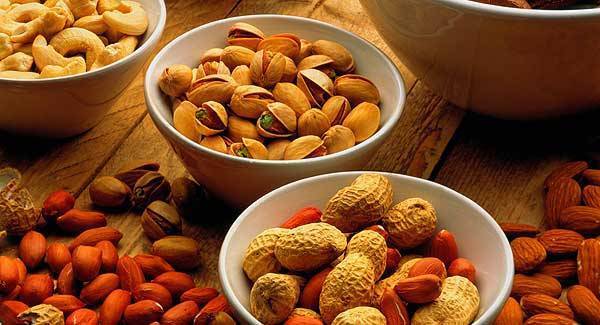
ABOUT 4% of Irish children (28,600 children according to 2011 census data) have all three major allergic conditions: Food allergy, eczema, and asthma.
This is a major burden for families and healthcare. Food allergy is a very common chronic condition in childhood. It causes great anxiety and distress, with many parents living in mortal fear of the next allergic reaction their child may have.
Until recently, the HSE had never addressed allergy as a specialty, instead relying on the principle that organ-based specialists should manage it in an organ-based way.
Parents have few if any services to turn to in their community or at hospitals if their child is affected by food allergy.
Despite a Comhairle na nOispidéal recommendation in 2000 for national immunology services, allergy has not been adequately addressed as a specialty focused on the holistic needs of the allergic child. Just three services for children exist, covering Dublin, Cork, and Louth, with a very limited service in Galway and the Midlands.
There is no cure for food allergy but the treatment is straightforward and simple: Identify the hazard, manage the risk, and ensure nutritional safety and social inclusion. The negative impact of childhood food allergy includes serious medical problems and poor quality of life.
IFAN, the Irish Food Allergy Network, was launched in 2013 and represents a non-profit, multi- professional collaboration between health care staff and patient advocates from all over Ireland.
IFAN works towards promoting an integrated healthcare management approach, offering diagnosis, management, guidance, advice, and support when and where it’s needed for children and families living with allergy.
A multidisciplinary working group of IFAN has published local- national best practice guidelines for diagnosing and managing food allergy in children in the community and in hospitals, which can be found at www.ifan.ie. It found:
-In Cork and Louth, where a hospital-based allergy service is provided for children, it is done so because of an existing skill level among hospital doctors who have trained abroad and returned to Ireland;
-One paediatric allergy specialist has been resourced by the HSE since November 2013, based between Crumlin and Tallaght hospitals;
-The number of cases presenting is overwhelming, with a wait of over three years for a food challenge and long waiting lists to attend dietitians;
-Awareness of food allergy among healthcare staff in the community and hospitals is low, with little to no education or training provided.
Food allergy is a cheap, low-tech ambulatory specialty, in high demand nationwide, which is best identified early by health care staff working in the community, who are best placed to identify, diagnose, and manage cases. Greater awareness, education, training, and support for this is needed.
More allergy-aware consultants are needed in regional units, trained, resourced and equipped to manage cases.
In late 2013, IFAN delivered free education in 12 regional sites to more than 600 healthcare professionals who encounter children with food allergy.
An audit of the education programme showed that 95% of attendees reported new learning.
Six months on, evaluation shows:
-99% of respondents reported an increase in knowledge of food allergy;
-92% of respondents reported an increase in their level of confidence in assessing and addressing food allergy.
In the same six-month period, the website had more than 4,000 unique visits. IFAN’s strategy meets several standards of care and policy aspirations of the DOHC and HSE. It promotes:
-Evidence-based optimisation of self-care through medically supervised diets;
-Access to medical care for child and family as close to home as possible;
-It reflects the national hub and spoke model of care.
IFAN’s guidelines have been welcomed by Professor Alf Nicholson, paediatric clinical lead of the National Paediatric and Neonatology Clinical programme at the HSE. Endorsement for the guidelines has been received from the Irish Association for Allergy and Immunology and the Irish Nutrition and Dietetic Institute.
-