Trial is over but the Bo show to go on
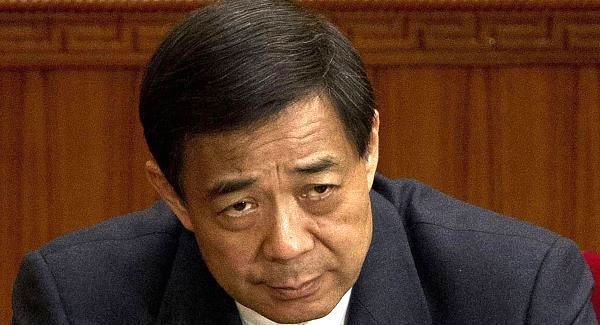
Before the proceedings began, the conventional wisdom was that Boâs trial had been carefully scripted and rehearsed to portray a forlorn and penitent sinner confessing his crimes and apologising to the Party.
But the trial dispelled any notion that Bo would go quietly to his cell in Beijingâs infamous Qincheng Prison.
Bo dismissed one of his accusers as having âsold his soulâ. He characterised testimony given by his wife, Gu Kailai, now serving a suspended death sentence for murdering the British businessman Neil Heywood in 2011, as âcomicalâ and âfictional,â and he called her âcrazyâ.
Throughout the trial, Bo denied most of the corruption charges, often professed ignorance of the facts, and claimed to be unable to recall any details of the matters in question. He even retracted his confession to the CCPâs anti-graft agency, blaming mental stress for his admission that he accepted bribes from a man he called âsoullessâ in court. In his closing statement, he dropped a bombshell: he claimed that Wang Lijun, his former police chief and henchman (and a âvile characterâ), was secretly in love with his wife.
The trial transcripts create an impression of a man who would have excelled as a trial lawyer.
However, anyone who believes that the courtroom drama in Jinan will determine the trialâs outcome (the verdict and sentence will be announced in September) is mistaken. The CCPâs leaders have decided that Bo is guilty and must spend years in jail (the scale of Boâs alleged bribe-taking ensures a sentence of 15-20 years).
Why then did the party allow an unprecedented degree of openness at the trial?
The optimistic view is that Chinaâs new leadership wants to demonstrate its commitment to the rule of law and fairness. But that is a naive interpretation. While the trial proceedings on the first day were refreshingly open by Chinese standards, that quickly changed. Transcripts were not released in real time on subsequent days, and they omitted some crucial details (for example, Bo claimed that the Partyâs representatives threatened to execute his wife and prosecute his son if he refused to cooperate). Perhaps worried that Boâs defiant behaviour was winning the public-relations battle, the official media also launched a media blitz savaging Boâs character and all but pronouncing him guilty.
Even more disturbing the Chinese police formally arrested Xu Zhiyong, a human-rights lawyer who was leading a campaign to force mandatory disclosure of the wealth of senior officials and their family members. The Chinese government has also begun a ferocious crackdown on social media, arresting prominent activists on dubious charges.
So there must be a different interpretation of the Chinese governmentâs handling of Boâs trial. It is worth recalling that purging him was a deeply divisive affair at the CCPâs highest levels. His patrons and allies could not save him, but they were well positioned to demand that his trial be conducted as openly as possible.
Bo certainly did not disappoint. He apparently is not accepting his political demise as a final act and a comeback calculus may well have motivated his spirited performance. Bo understands that he should not be perceived as a pitiful loser who gutlessly besmirches his honour.
Bo evidently sought to preserve his image among his allies and supporters as a strong leader.
Bo may be heading to jail, but he retains some chance of political rehabilitation should things change dramatically in China. His botched â but riveting â trial may be over, but the Bo Xilai show will go on.