Human rights losing out in Zimbabwe
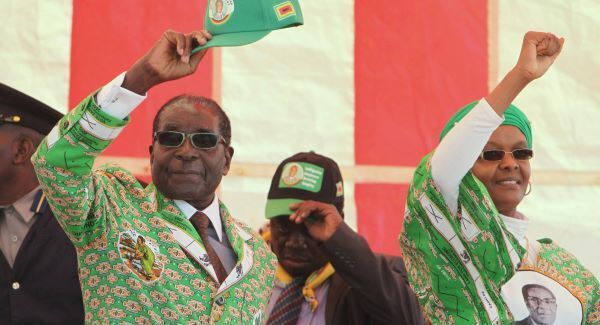
The role of election monitors will be vital to ensure free and fair elections in Zimbabwe, writes Mary Lawlor

Human rights losing out in Zimbabwe

SINCE the elections in Zimbabwe were announced, there has been constant media speculation about when the elections would take place, what the outcome would be, who would control the balance of power, and whether or not there would be the prospect of violence during them.

If the forthcoming elections are to be free and fair, there needs to be greater focus on the broader context in which they are taking place, including the space for human rights defenders to undertake their legitimate activities. They will play a key role in monitoring human rights abuses and defending the rights of ordinary Zimbabweans.

The elections must be about building a culture of respect for the rights of all, freedom of expression and freedom of assembly, transparency, accountability, and justice. This cannot be achieved without a strong and vibrant civil society with human rights defenders to the fore. What has been much less remarked upon is the steadily deteriorating situation for those who speak out for human rights.

Since the beginning of the year, Front Line Defenders has documented repeated attacks on human rights defenders and other independent voices who have been targeted with increasing levels of violence.

On Feb 2, human rights defenders Nkosilathi Moyo and Jasper Maposa were subjected to threats to force them to drop a complaint to the police that was submitted on Jan 31 after a community meeting in the city of Kwekwe was stormed by hundreds of armed youths, reportedly affiliated to the ruling party Zimbabwe African National Union — Patriotic Front.

On Feb 13 and 14, peaceful protests held in Harare and Bulawayo by Women of Zimbabwe Arise to mark Valentine’s Day were violently suppressed by police, with more than 188 protesters arrested and many others beaten. On Feb 19, the offices of Zimbabwe Election Support Network (ZESN) in Harare were raided by plainclothes police. Earlier that day, unidentified men broke into and raided the offices of ZESN in Masvingo, Zimbabwe.

On May 7, 2013, journalists and human rights defenders Dumisani Muleya and Owen Gagare, respectively editor and chief reporter of the Zimbabwe Independent, were arrested in Harare for publishing an article alleging meetings took place between prime minister Morgan Tsvangirai and top military officials. They were released on the same day and charged with contravening the Criminal Law (Codification and Reform) Act.

On Jun 6, five unknown assailants wielding hammers forced their way into the Harare offices of human rights organisation Gays and Lesbians of Zimbabwe. Most recently on Jul 17, Harare-based thinktank Research and Advocacy Unit was banned by the high court from launching a report with its analysis of the voters’ roll. The unit is a non-governmental organisation whose work focuses on women, displacement and governance.

On Aug 1, human rights defender and executive director of the Zimbabwe Human Rights NGO Forum, Abel Chikomo, is due to appear in court over allegations of running an “unregistered” organisation”. These cases are just an indicative sample illustrating the levels of intimidation prevalent in the run-up to the elections.

However the key question at the moment is whether President Robert Mugabe and his supporters can tolerate a truly free and fair election. This is why the role of the election monitors is vital.

Recently, the Southern African Development Community (SADC), which brokered the power-sharing deal between Mugabe and Tsvangirai after the 2008 election descended into violence, urged all sides to “exercise restraint and avoid frustrating voters”.

According to Bernard Membe, who is heading the SADC’s election observer mission: “Voters must have unfettered access. That’s what will make the elections free and fair. The conduct must go hand in hand with discipline of the highest order.”

While SADC and the African Union will be sending election monitoring teams, Mugabe has banned the participation of monitors from “western nations”. Local election monitors meanwhile called on the Zimbabwe Electoral Commission to extend early voting for thousands of police officers and security service members, which started on Sunday but descended into chaos. This is not a promising indicator of what lies ahead.

- Mary Lawlor is the executive director of Front Line Defenders

x

More in this section

Revoiced

Newsletter

Had a busy week? Sign up for some of the best reads from the week gone by. Selected just for you.

Cookie Policy Privacy Policy Brand Safety FAQ Help Contact Us Terms and Conditions

© Examiner Echo Group Limited