Shona Murray: As forces in US and elsewhere threaten our existence, Europe needs to look closer to home
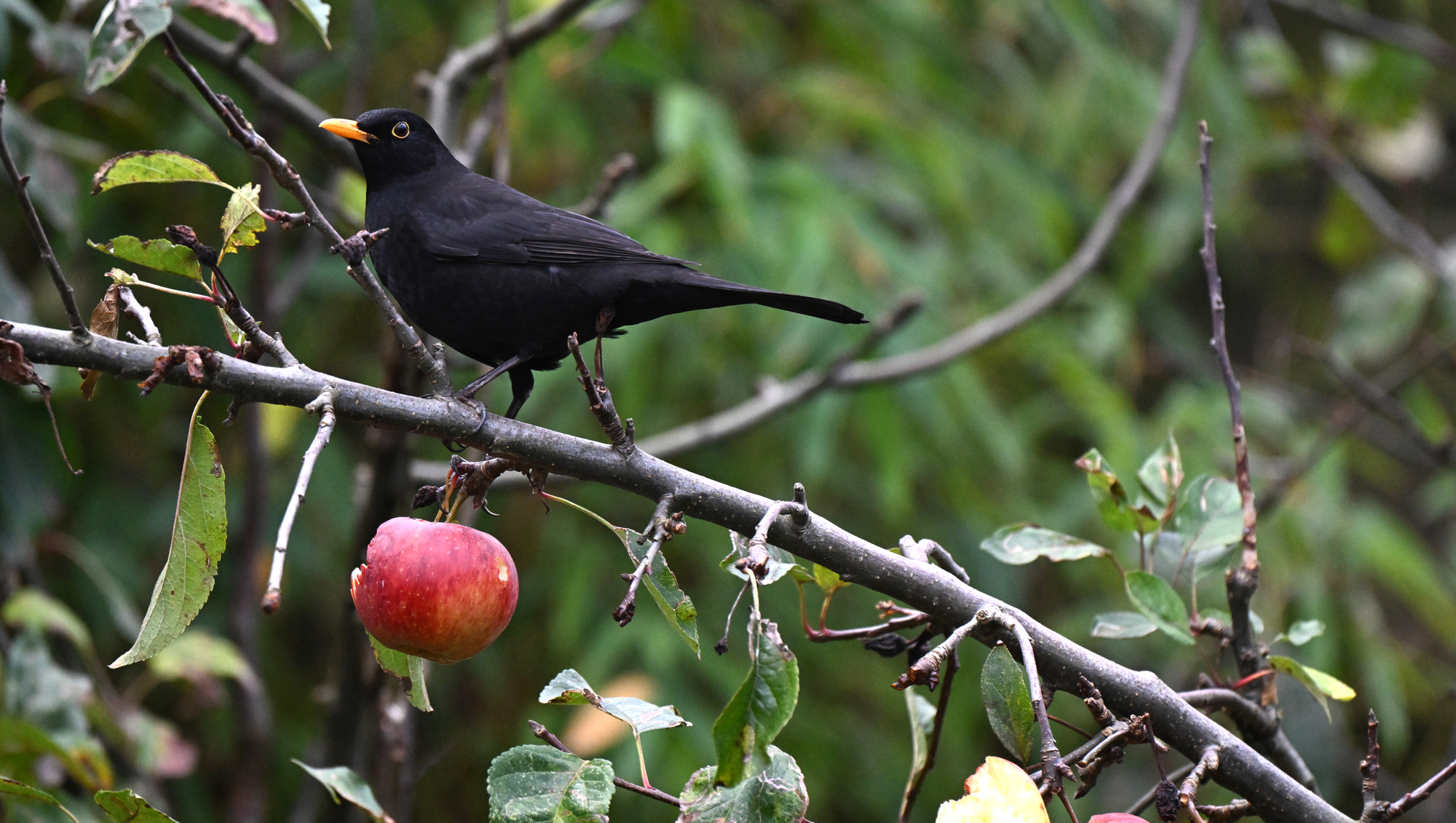

Earlier this week, the European Parliament moved further to the right as the centre-right European People's Party (EPP) — of which Fine Gael is a member — worked with the far right to reopen previously settled laws protecting endangered species as part of crucial environmental protections.
The proposals include special dispensations for projects deemed strategically important when it comes to protected endangered species.
MEPs voted, with 367 lawmakers in favour (including all Fine Gael MEPs) and 268 against, with more than 20 abstentions, on a motion to speed up environmental assessment processes so businesses can establish new industrial ventures.
The proposal is part of the European Commission's drive and necessity to focus on competitiveness amid years of sluggish industrial growth on the continent.
But those opposed to the weakening of the laws warn it will lead to data centres being given certain exemptions, including the ability to override species and conservation areas which were previously deemed as in danger.
President of the European Commission Ursula von der Leyen is a member of the EPP as a member of the German CDU.
When she arrived in Brussels in her role in 2019, her flagship project was the Green Deal — aimed at reducing carbon emissions and Europe becoming climate-neutral by 2050.
A leading priority within the Green Deal is biodiversity restoration, pollution reduction, sustainable agriculture and food, as it recognises ongoing biodiversity loss is one of the most urgent environmental issues of our time.
“If the EPP has their way, the sound of data centres humming will stand in the place where birds are singing today," Jutta Paulus, Greens/EFA MEP who negotiated the Nature Restoration Law — another crucial piece of Green Deal legacy legislation — said in a statement this week.
“However, the parliament's planned changes would enable precisely that. They would weaken the protection of endangered birds and other protected species. It would be easier to kill protected species or disrupt their reproduction, as the destruction of nests and eggs will be possible," she said.
During his election campaign, president of the EPP Manfred Weber frequently pointed to the fact it was his party under von der Leyen that led the way on solidifying the Green Deal and green objectives.
He did this to embellish his credentials on the matter, and parry concerns he would ride roughshod over years of vital legislation underpinning nature conservation in the EU.
But Weber and the EPP now stand accused of aligning with the far-right to advance an agenda that puts "powerful industrial interests ahead of Europe’s nature and people," says Bird Life International.
What's more, EU experts such as Professor Alberto Alemanno, and Jean Monnet, professor in European Union Law at HEC, Paris, says the reopening of the Wildlife Protection Directive is a death knell for the once steadfast centrist, pro-Europe governing coalition within the parliament.
"They're unleashed," he said of the influence of the far-right parties within the EU's legislature.
"They've lost all inhibitions," said Alemanno.
"Opening up the bird directive is breaking the ultimate taboo," he said.
"It proves the centre-left Green hope to deal with the EPP is now totally far-fetched, and will lead Europe toward self-destruction as a territory and society — given the acceleration of environmental transformations," he said.
The decision by the EPP to back the amendments by the far-right also upended a hard-fought compromise negotiated by the EPP's own shadow rapporteur with the Socialists and Democrats and Renew Europe aimed at settling the matter in a way that gave both a win for competitiveness and the simplification of EU regulations around the environment.
Socialists, Liberals and Green parties then suspended talks with the EPP to discuss next year's working agenda amid the momentous loss of trust among the groups.
This week's example of the EPP moving towards the far right and retreating from its commitment to the environment and green agenda is not new within this parliamentary term, which started after the European Parliament elections in June 2024.
Several countries waved in parliamentarians from the far-right, including Germany and France. The EPP also won major gains, consolidating its influence across all parts of the European institutions.
Last October, the EPP, alongside the far-right, scaled back on sustainability reporting obligations.
At the time, the EPP was criticised by its allies for forcing their hand by threatening to walk away from their coalition in favour of moving towards groups like the Patriots (home of Marine Le Pen’s National Rally), the European Conservatives and Reformists (of Giorgia Meloni’s Brothers of Italy) and the Europe of Sovereign Nations (of the Alternative for Germany).
Amid the rise of forces in the US and elsewhere which threaten our existence, Europe needs to look closer to home.

BLACK FRIDAY
Already a subscriber? Sign in

CONNECT WITH US TODAY



Be the first to know the latest news and updates