Jennifer Horgan: The mob are quick to condemn violence — unless it is gender-based
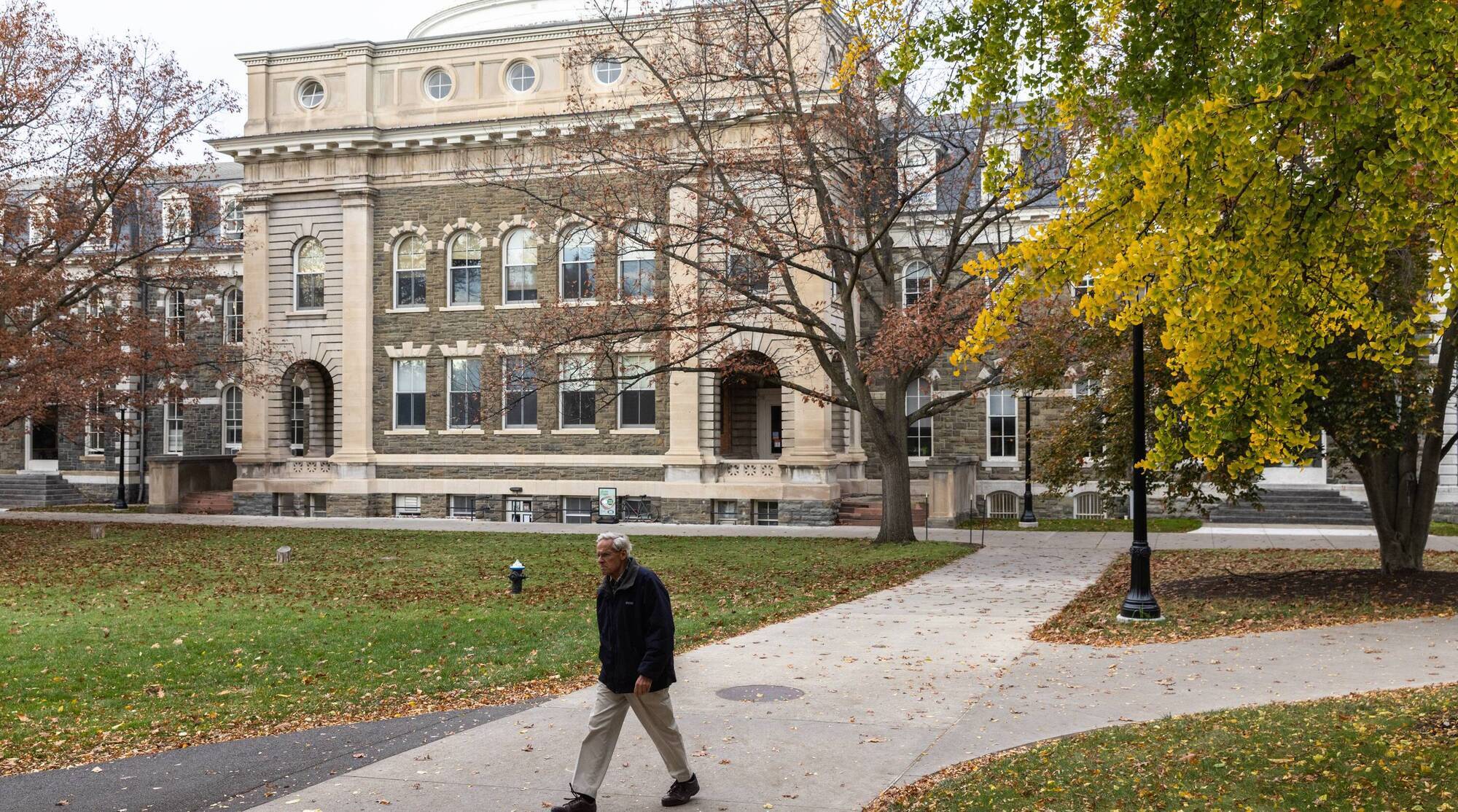
The Cornell University campus. The Cornell seven were all members of the Chi Phi fraternity who have been accused of assaulting a 20-year-old woman two years ago. Picture: Matt Burkhartt/Getty Images

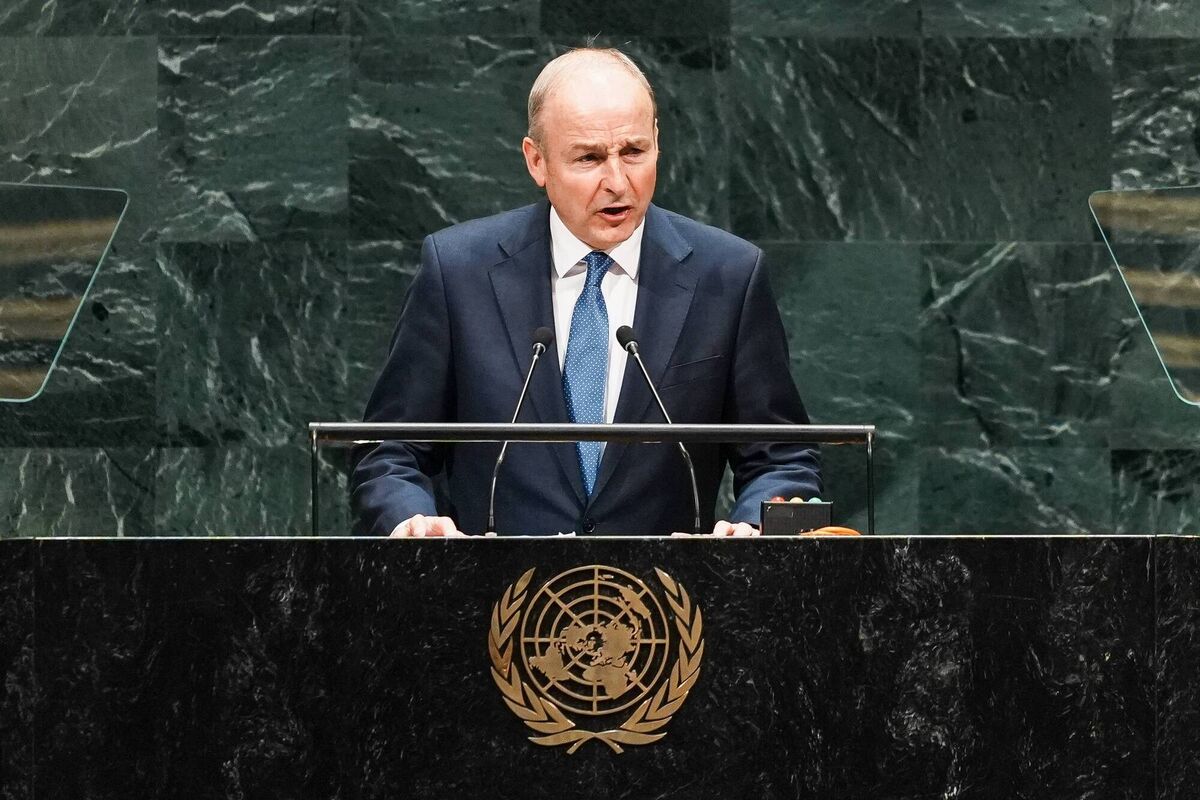
Pride is a dangerous thing, but I felt it listening to Micheál Martin addressing the UN this week.
I felt proud to be Irish when he demanded action to counter the human rights violations in Afghanistan, where girls and women are being silenced and denied access to education. I felt proud to be Irish when he said Ireland stands in solidarity with Ukraine, and against Russia’s illegal war.
I felt proud to be Irish when he spoke of the prolonged and bitter conflicts in Sudan, where 15 million people are displaced from their homes. And I felt proud to be Irish when he spoke about Palestine, when he said, “We have failed Palestine,” adding, “When the true horrors are finally revealed, it will shame the world.”
Yes — I felt proud listening, and I felt terribly, terribly sad.
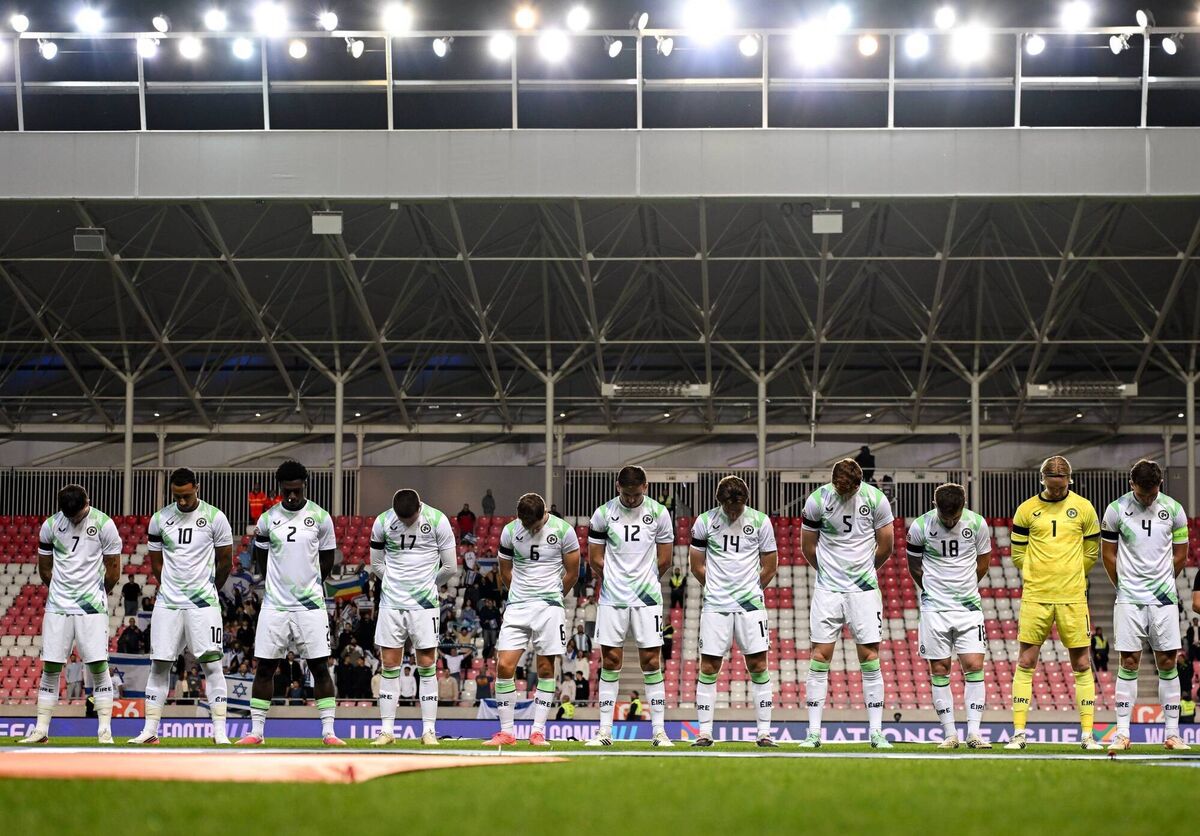
I had a harder time listening to the morality mob who jumped on the Irish football squad last week for being less virtuous than they believe themselves to be. The mob wasn’t criticising Netanyahu or those who have orchestrated thousands upon thousands of deaths. No, it was criticising the players, bystanders, like most of us are, to genocide.
Read More
Oh, and the mob was angry, righteously angry. Outraged. Outraged! Rapaciously, it scanned the media horizon, looking for soft bodies to burn at the stake. But then I realised something.
The truth, I understand now, is that I found the mob difficult because I crave their outrage. The truth is, I am desperate to hear similar outrage against femicide, and the epidemic of physical, sexual and gender-based abuse.
I identify with the mob’s rage because I feel it too, or some form of it. I am desperate, truly desperate, to hear men raging about violence against women, the same way they raged against the Irish team for not doing enough last weekend.
I want to hear men raging about rapists and abusers, and I want to hear them addressing onlookers and bystanders too. I want them to speak out about domestic and sexual and physical abuse with absolute venom — with utter condemnation.
I am so tired of men’s silences. I am tired out, bone-weary, from men not being angry enough at their fellow men for doing what they do to women. I crave the rage they express elsewhere.
And I know rage when I hear it. I heard it a couple of months ago when five teenage boys were killed, injuring three innocent women and a child, when (and this is the crucial point) the victims could have been anyone.
Yes, the victims could even have been the very men I heard demanding a re-introduction of helicopters over motorways, and more jails, longer jailtime.
It was the same deep and heartfelt rage I heard being levelled at the Irish football team. Righteous anger. Pure and unfiltered. Blistering in its criticism, and absolute.
But the mob falls silent when it comes to violence against women in everyday life. Because somehow, such violence has become normalised. I don’t want it to be normalised. I want to hear men rage against the perpetrators of violence against women.
This week I felt some hope when I came across one example of a man being outraged by violence against women, however.
I heard genuine rage from former writer, Toby Morton, when he amplified the names of the alleged attackers of the 2024 Cornell incident to the world through his website, TheCornell7.org, after they were first named by the student journalists of the Cornell Daily Sun. The seven mentioned were all members of the Chi Phi fraternity who have been accused of assaulting a 20-year-old woman two years ago.
Pictures of her were sent to a far larger group during the attack. The university authorities deemed it appropriate to accept essays from the alleged attackers as punishment. Only two were expelled.
The case has been re-opened now. Women are deeply grateful to Morton, and they are desperate for more support, more rage, more solidarity. Will it come? Or will most of the rage come from women?
An excellent headline in British contains a statement followed by a question: Women are rightly outraged by the Cornell rape allegations. Are men?
Whatever our disappointment with the Irish football squad last week, where is the disdain for violent and abusive men? Where is the disappointment with society for doing so little to protect women and girls?
Not only do too many men do nothing, they get irked by women bringing it up, bringing it up again, pointing it out, pointing it out again, refusing to stay silent. Women refuse to stay silent because men are too silent, too often.
I don’t believe bystanders are the same as violent men. I just don’t. They may be complicit, but they are not the actual attackers and abusers, the actual rapists and murders.
But I do want them to take some responsibility, the onlookers and bystanders, the silent men in group chats, in football clubs, in our schools and colleges, our workplaces, our towns and cities. I want their awareness, their solidarity, and their action.
Pub owners cancelled the football game with Israel. Good on them! Might they also ensure that all misogynistic messages are removed from their cubicle doors? Might they also ensure that people are safe on their premises, not getting spiked or drugged, not losing the ability to consent, to speak?
Whatever about never watching the Irish football team again, I hope my daughters get to hear a similar rage some day in their defence, for their protection. I hope more men, and more men again, follow the example of Toby Morton. But my expectations are low.
A planned walk out this week, in solidarity for the women who have died by femicide, and who suffer violence, got comparatively little attention. The walk-out appeared in national newspapers, on national radio; schools were contacted, workplaces, national organisations. Few picked it up.
Certainly very few picked it up online. The response was weak but it was a start; it was something. People did walk out, particularly in Waterford where the movement started. Good on them and good on the organiser, Monica Murphy.
When it was brought up in the Dáil, unlike during his UN address, the Taoiseach’s response was weak too. He promised to join. Some in Leinster House did. I don’t know if he did.
Can you imagine how very different our world would be if we all showed up in solidarity with women? If we all showed true disdain and zero tolerance for the rapists, the abusers, and the murderers of women? If onlookers and bystanders were at least criticised too, and called to action?
I don’t want to condemn or cancel onlookers. I just want some rage, some solidarity, some acknowledgement of the crisis we are in. I felt so proud of Micheál Martin. I’d like the opportunity to feel more proud of more men.
“Dear men,” Toby Morton writes, “How about joining me in the apparently radical act of condemning men who sexually assault women? The bar is on the floor. Step over it.”
CONNECT WITH US TODAY



Be the first to know the latest news and updates