Terry Prone: Victims of trolling should follow Dolly Parton’s lead and rise above it
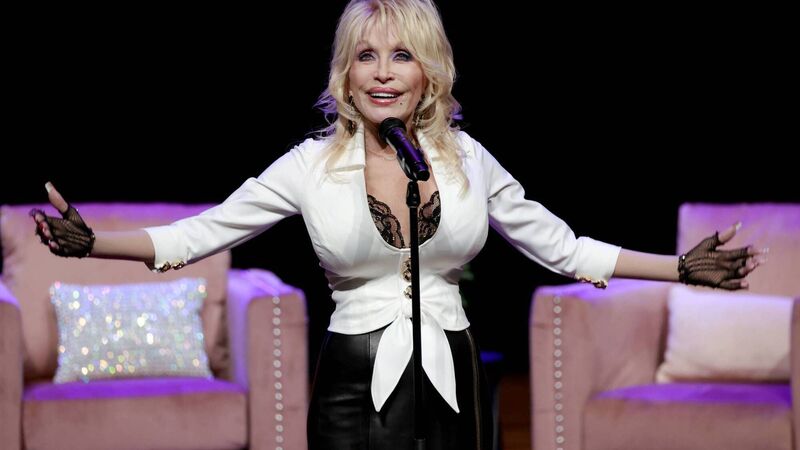
Her life offers a lesson that can usefully be copied: Smile. Don’t bad-mouth the bad guys. Just concentrate on delivering the good stuff to the folks who need it.
Terry Prone: Victims of trolling should follow Dolly Parton’s lead and rise above it

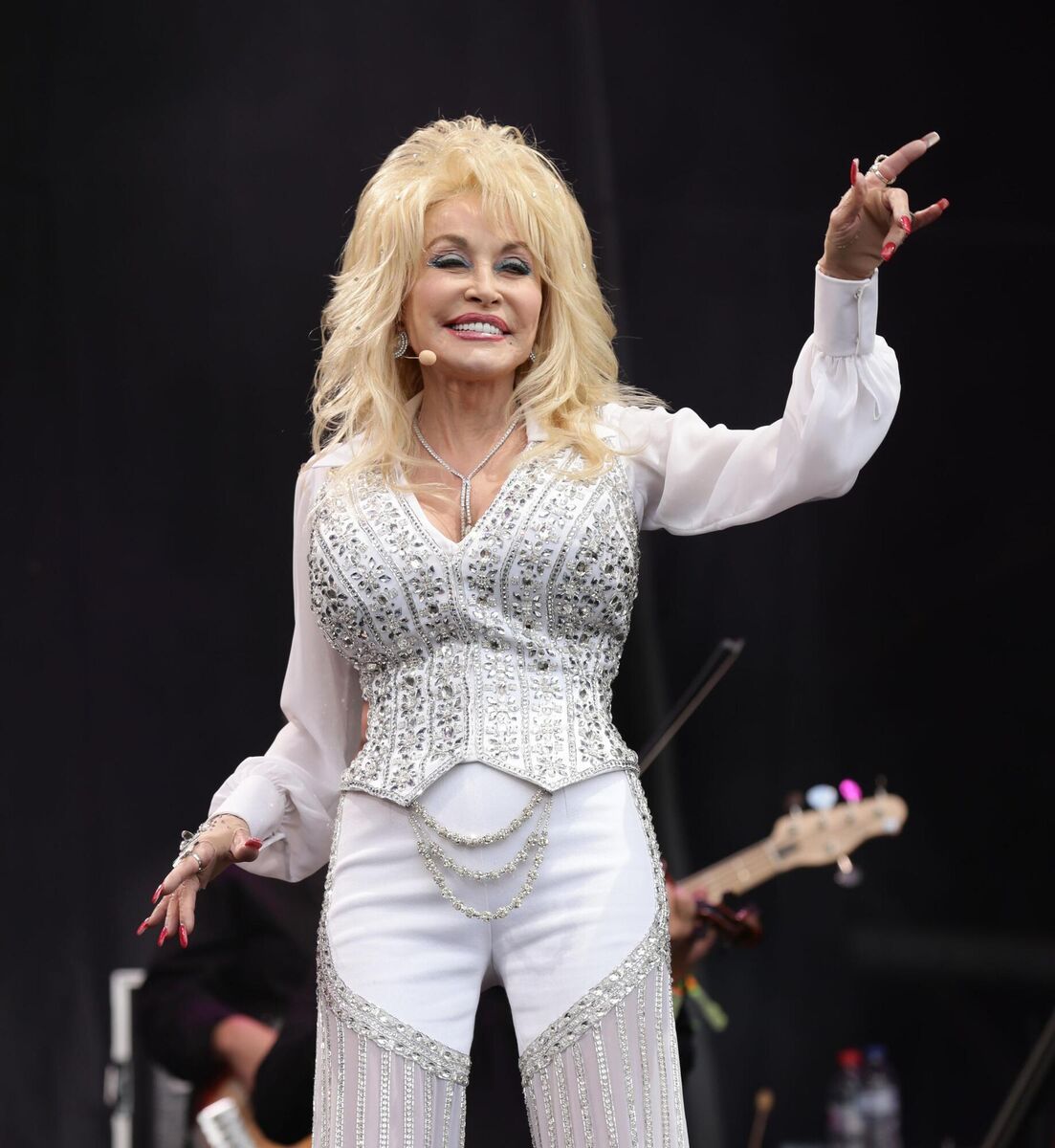
Dolly Parton has proved time and time again to be witty, self-deprecatory and adorable. Picture: Jason Kempin/Getty

This is the third time this column has been about her. That’s not three times too many. It’s maybe a dozen times too few.

She could be a saint, if it was possible to elevate someone to that position while they’re still alive, because she may be a wholly good person.

The obstacles, apart from her being extant, which is good for us all, include the appearance.

I know of no saint, ever, who flaunted her physique the way Dolly Parton does. I know of no saint, either, who had giant hair. But then, does anybody know of a saint so adored in her lifetime by such a range of people?

The adoration surfaced in a new American opinion poll which investigated the relative popularity of 20 famous people, including Volodymyr Zelenskyy and Barack Obama. Neat, that she’s even in there with such world-class figures.

Dolly Parton performing on the Pyramid Stage at the Glastonbury Festival.

But hold. It’s not just that she’s in there with them. She beat the two of them by more than 50 percentage points. And — hold again — those two were the closest competitors. This gorgeous clever talented woman beat two of the most popular presidents in the world.
“Of 1,000 people surveyed by the University of Massachusetts and the market research firm YouGov heading into April,” this paper reported, “70% of them had a favourable impression of Parton, an 11-time Grammy winner. Only 5% had an unfavourable impression of her, giving her a net favourability of 65%. Obama, the US president from 2009 to 2017, had the poll’s next highest net favourability at 14%. He scored 50% favourability and 36% unfavourability among those surveyed.”

America is good at producing country singers, right up to the present charts featuring Ella Langley’s simple, classic rejection ode, Choosin’ Texas. But Dolly Parton, at 80 years of age, has stayed current, era after era, as no other C&W singer ever has.

That’s just one measure of her exceptional status.

The other is the multiplicity of reasons for her popularity, which include her giving away nearly 300m books to children, worldwide, including youngsters in Cork who have received a book a month from her foundation since the pandemic.

She came come from a kind of poverty difficult for many on this side of the Atlantic to imagine.

Fifty years ago, she wrote a song about having been part of a family that was grateful when someone donated to them a box of unwanted cloth scraps:

“There were rags of many colors

Every piece was small

And I didn’t have a coat

And it was way down in the fall

Mama sewed the rags together

Sewin’ every piece with love

She made my coat of many colors

That I was so proud of.”

Of course, when she went to school in the home-crafted coat, she was mocked. But the lyrics of the song demonstrate no bitterness, no trauma from the jeering of her schoolmates.

Instead, they tell of a baffled little girl trying to share insights about surmounting poverty, the insights of which are never understood by her peers.

But — and this is the key thing — not a word of the song castigates the cruel playmates’ response to the coat of many colours.

Dolly Parton’s work tells of deprivation, of a young woman selling herself because the money was needed by the family, of living with rats and dirt, yet never blaming anyone for those miseries, rather concentrating on the resilience required just to survive.

The sweetness of Dolly goes much further than philanthropy. It is a constant trait, up there with her humour and her tolerance.

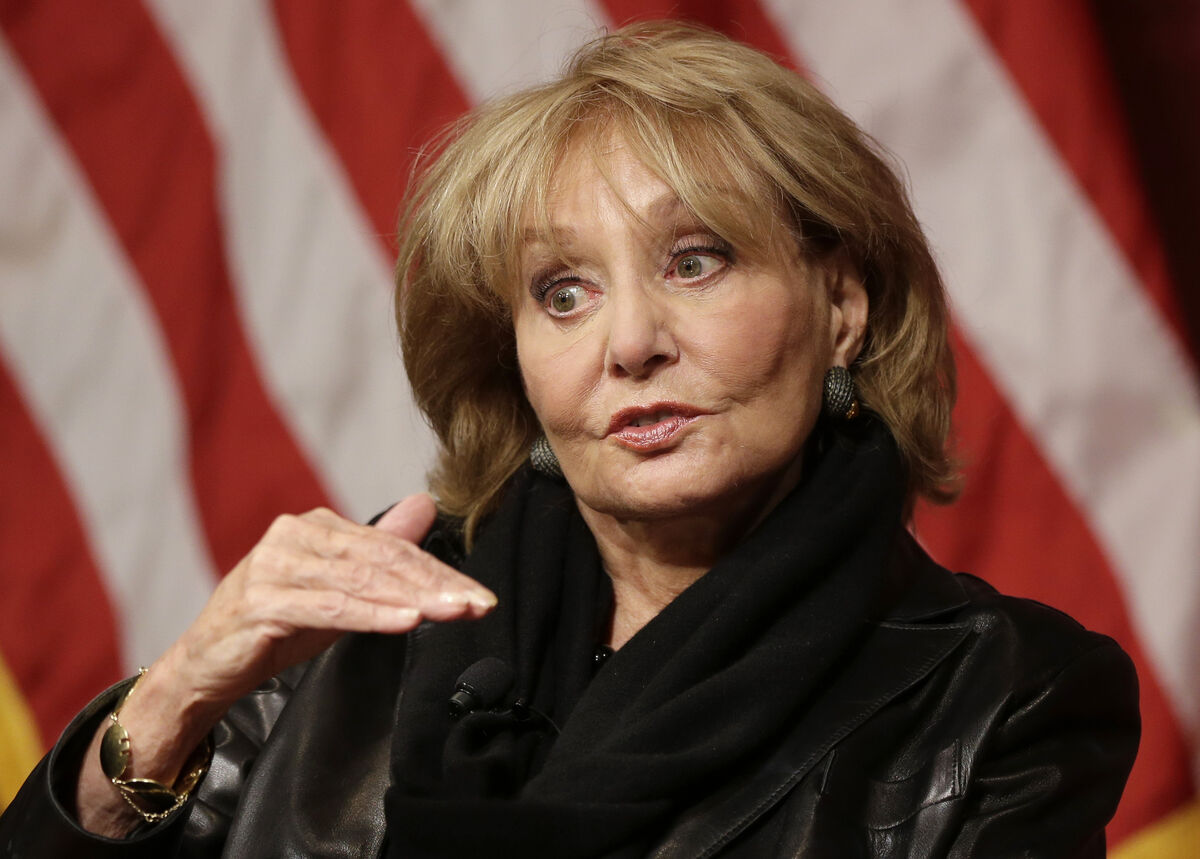
All three were present in an interview with the most famous TV interviewer of her time, Barbara Walters.

The interview, recorded in the late 70s, is astonishing. Astonishing, first of all, in the patronising tone Walters adopts. It’s as if she’s a headmistress, brought in to address a brainlessly refractory teenager, rather than a hack lucky enough to question an international star. She is simultaneously smarmy and sadistic.

Walters asks the singer questions that probably wouldn’t be permitted today. She tells her that she doesn’t have “to look like this”.

“Looking like this” meaning the blonde wigs and the waist-cinching, bust-promoting wardrobe Walters described in the course of her questioning as “extreme clothes”. It was a sustained assault.

The best media trainer in the world could not have prepared Dolly Parton for an interview she was, in advance, warned by friends against doing.

In her interview of Dolly, Barbara Walters is described by Terry Prone as the grown-up equivalent of the cruel peers Dolly had met when she went to school in her patched coat.

She nonetheless triumphed, to such an extent that clips from the interview are now used by communications professors to draw attention to the grace and competence of the young singer’s responses.

“It’s certainly a choice,” she smilingly told Walters in response to the “extreme clothes” question. “I don’t like to be like everybody else. I’ve often made this statement that I would never stoop so low as to be fashionable, that’s the easiest thing in the world to do.

“So, I just decided that I would do something that would at least get the attention, and once they got past the shock of the ridiculous way I looked and all that, then they would see there was a part of me to be appreciated.”

Now, most famous people who have a bad time in a media interview get pretty bitter and twisted about it. Dolly is the shining exception to that, as well as to so many other rules.

When, a couple of years ago, she wrote her autobiography, she described Walters as an “insightful person” who copped on that Dolly was real, “that my insides weren’t as phoney as my outsides”.

The fact is that Walters was not a very insightful person. As her own autobiography proved, she was a deeply shallow opportunist who clawed her way past opposition, using everyone around her worth using.

The roughly 10-minute interview establishes that Walters was the grown-up equivalent of the cruel peers Dolly had met when she went to school in her patched coat.

Except now she had a national audience to play to, rather than a schoolyard.

Yet at the time, Dolly was witty, self-deprecatory, and adorable. For the entire duration of the recording she smiled at her crawly interrogator with a generosity the situation did not merit.

Afterwards, she was as appreciative and generous as if she had been done a favour.

The Americans queried in the survey that put her top of the class were right. This is a walking, singing paradox, making more money than she could ever spend and giving huge amounts of it away, creating a theme park in the locale from which she came that transports visitors to an unimaginably fun, glamorous place, knowing just how good she is while sending herself up rotten at every opportunity.

Her life offers a lesson that can usefully be copied by everybody trolled on social media: Smile. Don’t bad-mouth the bad guys. Just concentrate on delivering the good stuff to the folks who need it.

More in this section

Revoiced

Newsletter

Sign up to the best reads of the week from irishexaminer.com selected just for you.

Cookie Policy Privacy Policy Brand Safety FAQ Help Contact Us Terms and Conditions

© Examiner Echo Group Limited