Shona Murray: To stop a repeat, the EU must understand how Hungary could hold it hostage
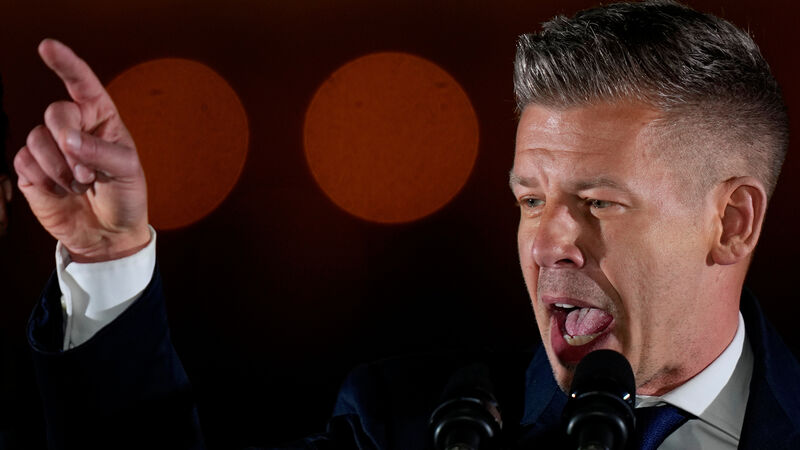
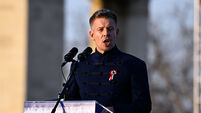
Peter Magyar (pictured) has pledged to spare nobody who has colluded with Orban’s hostile takeover of the country, including the Hungarian president, Tamas Sulyok, whom he described in a social media post as 'unworthy', and urged him to resign. Photo: AP/Darko Bandic

Hungarian prime minister-elect, Peter Magyar, has hit the ground running in dismantling the corrupt government of his soon-to-be predecessor Viktor Orban.
Within days of his landslide victory, he has taken aim at every part of the Hungarian state utilised by Orban et al to line the pockets of the government. Or in the case of the judiciary and media, to prevent accountability for the prime minister and his cronies.
Magyar has pledged to spare nobody who has colluded with Orban’s hostile takeover of the country, including the Hungarian president, Tamas Sulyok, whom he described in a social media post as "unworthy", and urged him to resign.
Even for the typically ebullient Magyar, the episode was remarkable. Following a formal meeting with Sulyok at the Sándor Palace complex, Magyar tagged the president on social media, telling him he is “unfit to serve as the guardian of legality”, and “not fit to serve as a moral authority or a role model”.
He has also blasted the Fidez-controlled media on state broadcast channels which he says purposefully lied about him and refused him the opportunity to fairly represent himself.
In quick succession he is setting about addressing the democratic erosion that has infected Hungary for the last 16 years. The scenes of joy, relief and political euphoria evident on the streets of Budapest on Sunday night are compulsive and heartening to watch.
What is imperative now is for the EU and voters the world over to evaluate and learn from how a small country which is not a net payer into the EU budget, is ranked as the most corrupt in the EU and represents less than 1% of the EU’s economy, can hold the continent hostage and, until now, wield such intolerable influence.
Amid the joy, there is a real possibility that another Orban can return elsewhere if the EU doesn’t recall its commitment to its own values, laws and principles. For too long, one man in Budapest was able to chip away in plain sight at the functioning of Hungarian and then European institutions.
There's endless goodwill and enthusiasm across democratic countries in the EU, Ukraine, to see Magyar succeed and prove to Hungarians that the social contract can be revived.
Magyar has already had comprehensive discussions with the European Commission, including president Ursula von der Leyen, on how to unblock over €30bn of EU funds withheld due to corruption and rule of law violations by Brussels, €10bn of which comes from a covid recovery fund which is due to expire in August.
Both have agreed accessing this money for the greater good of the Hungarian economy was a “top priority”. And so far it seems that Magyar is not about to squander his win.
Addressing Orban and the leaders in Fidez, Magyar said: “No matter how much you pretend that nothing has happened, we know what you did to our beloved country and Hungary's people and you should not doubt that for one minute that as one sows, so shall he reap.”
On day one, he accused the outgoing foreign affairs minister Péter Szijjártó of shredding documents relating to Russian sanctions. Just days before the campaign, a consortium of independent Eastern European investigative journalists revealed bombshell tapes of Szijjártó offering his services as a Russian asset to the Kremlin’s Sergei Lavrov.
In one such incident, Szijjártó insisted the EU remove the name of the sister of oligarch Alisher Usmanov from the EU sanctions list. Hungary threatened to veto the whole package of sanctions at a meeting of EU foreign ministers unless this order was completed.
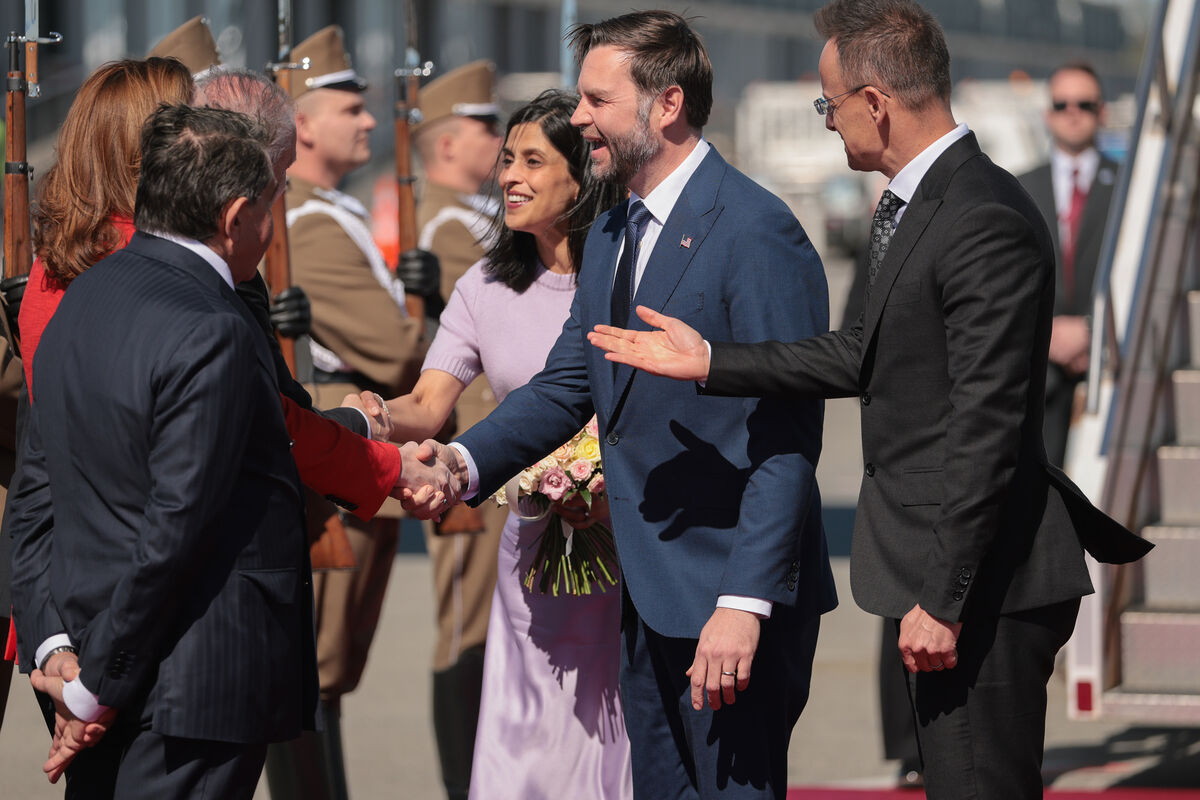
Brussels complied so as not to hold up any further the passage of a key arm of the EU’s Russia policy. “We will do everything possible to remove it from the list,” Szijjártó told Lavrov in the tapes.
It was one of several occasions where he committed to intervening on the side of Russia under the guise of defending ‘Hungary’s interests’. Szijjártó's impending successor in the foreign ministry, Anita Orban (no relation), warned him his actions were “unlawful”, while Magyar committed to holding an investigation into his nefarious relations with Moscow, having accused Szijjártó of “treason”.
Meanwhile, across Hungarian state-run media, which for 16 years had been captured by Orban who had fired the bone fide journalists and editors and installed his own apparatchiks, Magyar was finally invited for an interview.
During the interview he raised the actions of the ‘propagandists’ who he described as comparable to North Korean state media or akin to “Goebbels”.
“We have just witnessed the last days of a propaganda machine. After the formation of the Tisza government, we will suspend the news services of the ‘public’ media until its public service character is restored,” he said live on air.
“The fake news broadcast here must stop, and we will create independent, objective and impartial conditions to end this propaganda,” he said.
Let’s hope it's contagious.


CONNECT WITH US TODAY



Be the first to know the latest news and updates