Sarah Harte: Joy is a quiet act of rebellion — find it where you can
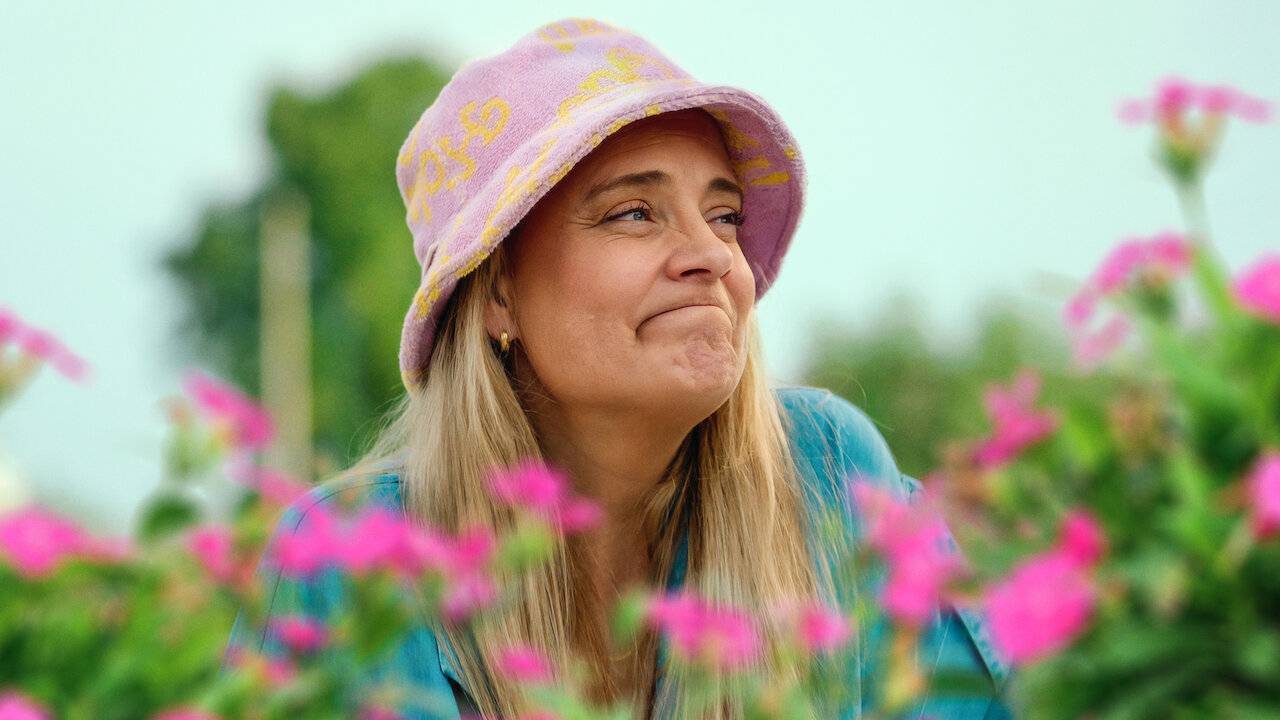
'Pernille' is a word-of-mouth hit which is full of heart and humour.

Last week, I was about to interview a law professor when she commented on how draining the current news cycle is.
Tell us about it, several of us chimed in. A new piece of American research from the Pew Research Centre shows that although the majority of those surveyed considered it a civic duty to keep up with the news, over half suffer from news fatigue.
The quote from Robert Lowell, the poet, kind of sums up the current mood of existential dread or perhaps some sense of loss of control of our lives when it feels like invisible, unseen forces are driving political events: "We feel the machine slipping from our hands, as if someone else were steering, if we see light at the end of the tunnel, it’s the light of the oncoming train."
This week's smorgasbord of depressing headlines included the head of the IMF saying the Iran war would scar the global economy permanently, regardless of any peace deal.
Another said that AI was coming to take our well-paid jobs (well done if you have one). Another said the public was bracing itself for a global recession.
The dominant emotions in the public sphere are fear and anger, arguably exemplified by the fuel protests. Joy feels in short supply, so we must actively seek it out.
Before the interview with the law professor, I advised attendees seeking an antidote to the grim news to watch , a Norwegian dramedy on Netflix. We’re not in the habit of having personal chats at these meetings, but I side-stepped protocol and shared my current comfort blanket.
Apparently, has been available on Netflix for 11 months, but just popped up on my feed, and I’ve binge-watched it. It seems to be a word-of-mouth hit.
Hands up who among you is juggling careers, ageing parents, kids of various ages, husbands or ex-husbands, perimenopause or menopause (as Pernille is), or generally navigating change, because if so, this show, which is full of heart and humour, might be for you.
It shows a vibrant woman transitioning midlife, full of curiosity and lust for life, but often stumbling.
Men might like this show too. It’s got a kind of vibe, with a female protagonist. is the story of an everywoman. As a dedicated social protection child officer, Pernille handles child welfare cases, and these scenes are among the most affecting in the show, but I promise you, overall, the show is not bleak.
I’ve been analysing why it’s so life-affirming. In part, it’s the simple joy of seeing an ordinary middle-aged woman on screen.
In , the women look like women of a certain age, and women of a certain age play them. It’s just so relatable. I mean, how many of you related to the pampered, over-exfoliated, whiny show ponies in the last spin-off?
The original series was a generational cultural benchmark, whereas the formerly beloved characters in were vapid bores entirely disconnected from the real world with nothing interesting to say.
Ultimately, the big learning was that it was okay for a woman to exist without a man. You think? How radical.
This Norwegian show mirrors actual family dynamics. Pernille is the sandwich generation with two bolshy teenagers, and an eccentric father who has just come out and leans on her emotionally.
Her useless ex-husband is a narcissist who turns every conversation towards his number one interest: himself. He has younger girlfriends to shore up his internal deficit (a common phenomenon). His intellectual ‘Mr Toad’ pomposity is hilarious. He will be recognisable to some of you.
She sings in a community choir. She has sex, goes to Salsa classes and Pilates and isn’t great at either. Her tight circle of female friends is also trying to navigate middle age. When it all gets too much, she sits in the garage in her Jeep drinking red wine, sneaking a cigarette and ringing her dead sister’s phone.
She loves being behind the wheel of her car, where she’s in control and tries to make the most of life while showing up for her family and friends.
It is, in a way, an ode to all the invisible, unpaid, caring work and emotional heavy lifting that women, regardless of nationality, do. As she says in one episode about her kids: "They’ll never know how many times I’ve taken one for the team", meaning the family.
I’ve concluded that the show is also novel and appealing because the cultural message we’ve been sold is that middle-aged women are supposed to fade into the background or sit around lamenting that society no longer finds them attractive and therefore relevant.
I actually heard two men discussing how you could always tell a woman’s age by her hands, even if she’d done a reasonable job with her face, as if it was some crime to have aged hands.
I had a stimulating, wide-ranging conversation with a high-ranking female tech executive at a tech giant on the train last weekend. I recommended , and she bookmarked it. By the way, she doesn’t allow her children to have phones.
We agreed we would like to tell our 30-year-old selves about what not to waste time on. Hint, it includes worrying about our appearances and squandering time on men who don’t deserve us.
It also touched on the increased, supremely liberating confidence that middle age brings for a woman. You no longer put the kind of planning into outfits for events that rivalled the planning for the Normandy landings. You reach into the back of the wardrobe, haul something out, and think that will do.
You begin to say what you think or signal that somebody is boring you. I’ve increasingly noticed that women in their 70s or 80s lack a filter, which isn’t a surprise when society tries to erase them. Rage is something that older women often feel as they kick back against invisibility.
But what , written by and starring Norwegian actress Henriette Steenstrup, made me realise is that joy is an equally effective response to being culturally "overshadowed".
And where do we find joy? We find it in the small things. Interactions with friends and families. Sitting on a park bench. Jumping into the sea and setting a nice table with care for an occasion.
One of the happiest days in recent years was a Pernille-style birthday last week, with my family, a long walk and a home-cooked meal.
I began the day stewing about being trapped in what feels like the world’s longest divorce. Then I reflected that we can marinate in sadness or anger over challenges, or we can celebrate the small, humdrum moments.
I found myself reflecting on the birthday walk, how there is something remarkable about the unremarkable.
Joy is not a luxury. It’s an essential component of life and a way to cope with reality. What I finally grasped, thanks to Pernille, is that joy is a quiet act of rebellion.

CONNECT WITH US TODAY



Be the first to know the latest news and updates