Clodagh Finn: You can close a pub, but you can’t close what it gave a place
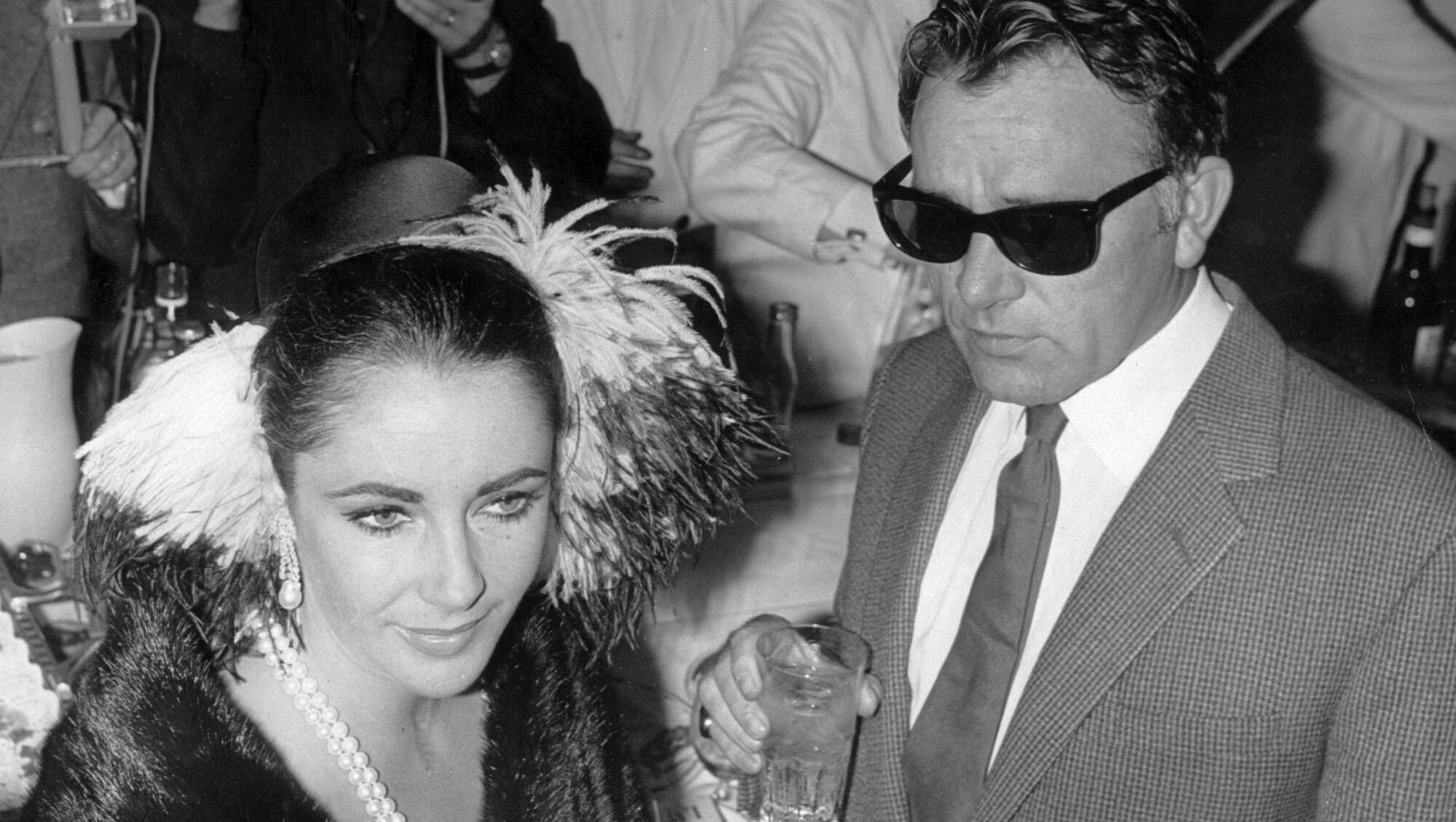
Elizabeth Taylor with her husband Richard Burton. Taylor was caught short and ventured into a bar to use the facilities while in Dublin. She was allowed to use the gents toilet. Picture:Getty Images

I love the way a story can just lodge itself in the landscape even if it hasn’t been ‘read’ for a long time.
Take the Maple Leaf bar in Blackrock, Cork, for instance. It holds within its name the memory of a wartime casualty, a love story and a new beginning, although few probably remember the ins-and-outs of what happened.
I have the story thanks to a chance meeting with Liam Kenny, editor and historian, who told me that his grand-aunt Elizabeth ‘Lil’ Dunne once ran it with her husband.
Here’s how it goes: Lil left Ireland around 1912 to find work in England and was working in a grand country house when the First World War broke out. She was asked to relocate to help in a military hospital in southern England where huge numbers of casualties were being repatriated from the frontlines.
There, she met a Canadian soldier, Lloyd Bradshaw, who had been gassed during the battle of Vimy Ridge in France. They fell in love and married, although those few words unfairly condense the kind of story that has been the subject of many a wartime movie.
HISTORY HUB
If you are interested in this article then no doubt you will enjoy exploring the various history collections and content in our history hub. Check it out HERE and happy reading
In any event, Lil was keen to return to Ireland and they settled on Cork when Lloyd, who had some training as a fitter, got a job at the new Ford factory. As her grand-nephew sums it up: “They took to Cork life with enthusiasm and both being of an entrepreneurial spirit, they decided to save some money and branch out into a business of their own. They purchased a small licensed premises in Blackrock, just up from the harbour.”
Once they had done that, they had to decide what to call it. Drawing inspiration from Lloyd’s Canadian homeland, they decided on ‘The Maple Leaf’ and ran a successful business from the late 1940s to the early 1960s when they retired.
The business has changed hands several times since then but the name remained the same, even if the reason it was chosen was forgotten.
Irish pubs are full of such stories, some preserved in photos on the walls, others in local memory but all of them testament to the central role the public house has played in the social and cultural history of Ireland.
This year there have been at least two new books recounting those tales. At a time when so many pubs are closing — such as the beloved Moby Dick’s in Youghal, Co Cork, next week — there is some small comfort in seeing that the history of the Irish pub has never been so richly celebrated.
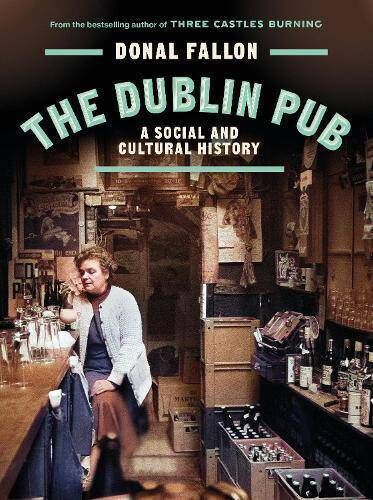
One of those books, , comes from the pen of Donal Fallon, a social historian whose writing sings. He pours his deep research into anecdotes, by turns moving, funny and fascinating, and whisks you through centuries of history in the most delightful fashion.
Take, for example, his account of the time Elizabeth Taylor was caught short and ventured into a bar to use the facilities while in Dublin to film in 1965. Fallon visited Cusack’s on the North Strand and scanned the framed images on the walls to see if the incident was retold among them.
When he failed to find it, he asked the barman: “Is this the pub where Elizabeth Taylor went to the jacks?” It was indeed, came the reply. There were no ladies toilets, but the star was allowed to use the gents, a singular privilege at a time when women were often not served on the grounds that the establishment did not have a ladies toilet.
Indeed, Fallon goes on to recount journalist Isabel Conway’s experience when she went from pub to pub in 1979 to see if things had changed in Dublin’s north inner city.
Her first stop, as she reported in the , was at the Five Lamps: “‘We don’t serve ladies’ announced the barman when we asked for two pints of stout and a pint of lager. ‘We had your sort, them women’s libbers in here before, and we told them the same thing.’”
In another bar, the journalist was told, rather politely, that women couldn’t be served because the establishment didn’t have the “proper accommodation” for ladies. At the time, as Donal Fallon points out, pubs weren’t required to have female toilets because legislation was drafted when women just weren’t part of the drinking scene.
Women of a similar vintage to me will recall the raised eyebrows if they ordered a pint, so it’s a real balm to discover this quote from the incomparable playwright and publican John B Keane: “Some of my best customers are women pint drinkers and they are better behaved, better disposed and of nicer mien and manner than the men”.
To return to Elizabeth Taylor, Fallon also recounts how the star stayed in the Gresham Hotel on O’Connell St with Richard Burton, her four children and a pet monkey who was far from impressed with the luxurious surrounds.
Film director Franco Zeffirelli recalled how it tried to rearrange the décor: “It had knocked over vases and lights, ripped the curtains and had, by the time I arrived, taken refuge near the ceiling of the bathroom, where it was clinging, wide-eyed with fear, to one of the water pipes.” Poor creature.
The account of the incident, though, gives an insight into the sweep of which starts with the taverns and alehouses of the 17th and 18th centuries and wends its way through time to illuminate, figuratively and literally, the enduring social and cultural importance of the Irish local.
, from Cork University Press, does something similar. Edited by Moonyoung Hong and Perry Share, it is described as the first book-length academic study of the pub and it brings together an impressive array of experts from several disciplines – sociology, history, design, tourism, heritage, literature and music.
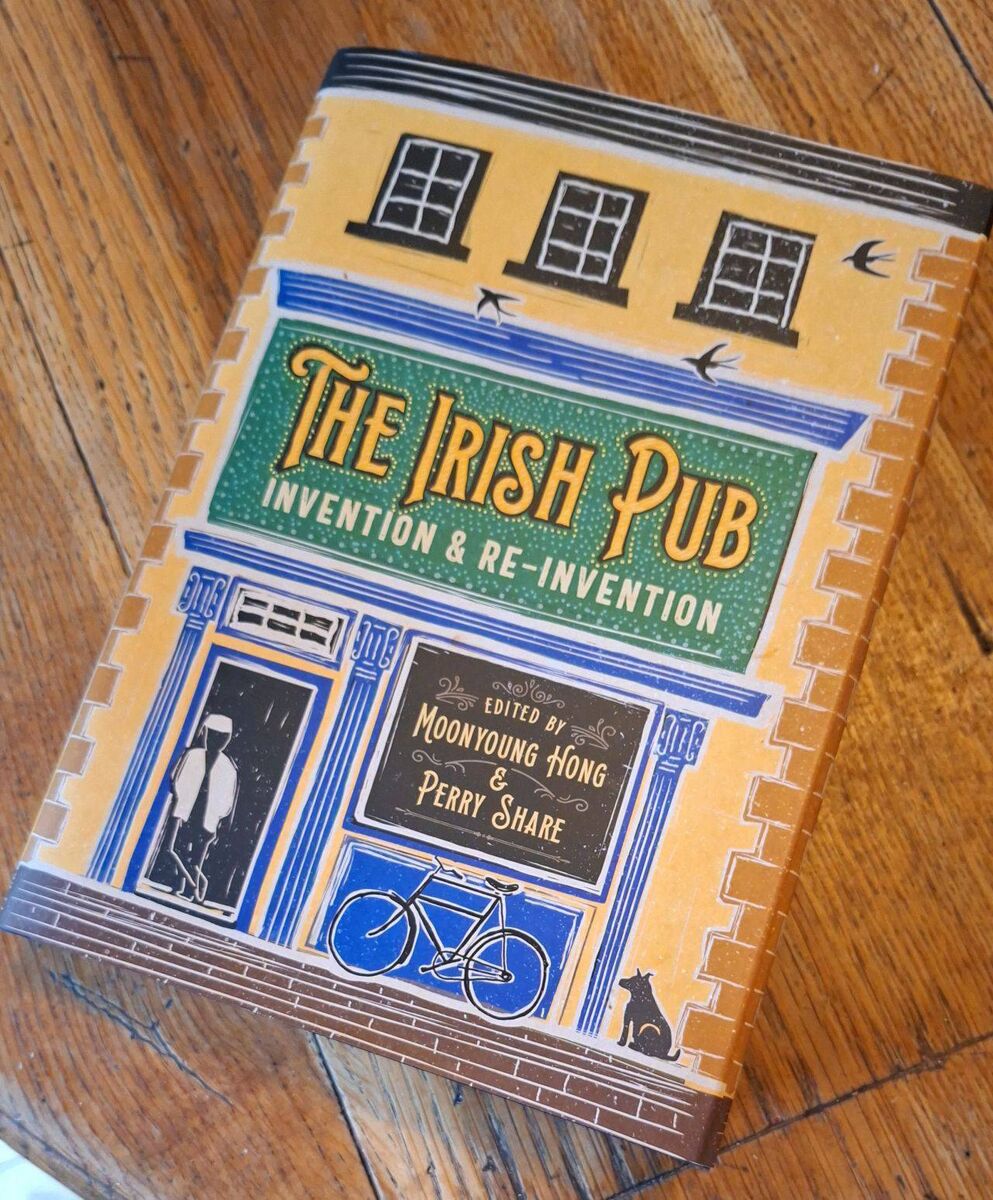
It is also interesting to see an exploration of how the Irish pub was invented and how it became a global symbol of Irishness.
The book also asks these pertinent questions: “Does the pub remain a crucial place in the Irish community, or has it been usurped by the coffee shop and the gym? Does this matter?” The only pity is that the cover price of €59, not at all unusual for an academic book, means might not reach as wide an audience as it deserves to. I wonder if university presses would consider releasing cheaper eBooks to expand their reach?
On a separate, rather sober note: Irish pub culture is joyous, colourful and celebrated, but so many have fallen foul of the very thing that oils its wheels; alcohol.
For all the good cheer and conviviality, there were many who cashed their wage cheques in pubs and drank the lot. There are also stories of pub owners who held something back so the family wouldn’t go hungry, but that’s a subject for another column.
Meantime, I was talking to a Youghalie (the correct term, I’m told, for a person from that most interesting of towns) who was articulating the widespread devastation at news that Kevin and Bríd Linehan, the couple who ran Moby Dick’s for 30 years, will cease trading on New Year’s Day.
Unlike others, the name over their door is easily read; it’s a nod to director John Huston and the eponymous film famously shot in the town in 1954.
It’s a huge loss but remember all that has been gained during the family’s many years of service — “memories were made, laughter echoed, and connections were forged,” as the owners put it themselves.
You can never call time on a contribution like that.

CONNECT WITH US TODAY



Be the first to know the latest news and updates