Gareth O'Callaghan: Twixmas is often a time we'd prefer to forget

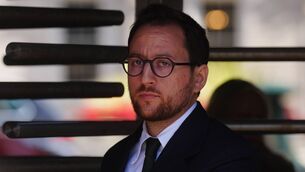
German chancellor Olaf Scholz, centre, at the Christmas market in Magdeburg, Germany,
where a car drove into a crowd on Friday, December 20, killing five people. Picture: AP /Michael Probst

So this is Twixmas — the name given to the days between the festive season and the new year — between the madness of what has just been and the uncertainty of what’s to come.
It’s not my favourite time, nor, from what I can gather, is it many others’ front-runner. It’s a state of suspended activity, or even a feeling of mental displacement.
It’s like a fog that makes us question our whereabouts — a time of reflection, including memories we would prefer to forget.
No doubt there will have been happier moments on a personal level — God knows, we needed them. On a grand scale though, 2024 has been a sad year for humanity. Of that there’s no getting away from.
Humanity comes from the Latin humanitas, meaning human nature, while also incorporating kindness into that nature, or more specifically the kind feelings humans have for each other. It’s a constantly shifting inaccurate measurement of what it means to be both humane and benevolent, and, most importantly, compassionate.
A work colleague of mine — a mother of nine-year-old twin girls — asked me last week how she was meant to explain to her daughters why a doctor is the main suspect in the recent car-ramming attack through the stalls of Magdeburg’s busy Christmas market, in which five people died, including a nine-year-old boy, while hundreds were injured.
Her daughters had watched the news coverage on television.
“I thought doctors were good people,” one of her girls said to her. She had to reassure her most doctors are good people. Invariably, the emphasis here is on the word most.
Susan Sontag, the American writer and human rights activist who died on this day in 2004, once said: 10% of any population is cruel, no matter what, and 10% is merciful, no matter what, and the remaining 80% can be moved in either direction.”
If 2024 has proved one thing, it’s that brutality is challenging humanity. The biggest danger facing us is the very real probability that a sizeable portion of the 80% that can be moved in either direction is at risk of becoming dehumanised to the shock and awe of what is happening around us.
So, what if we could see the world through the eyes of a nine-year-old as we say goodbye to the old year and welcome the new? And how is it even possible to answer their questions in relation to truths we can’t fathom ourselves?
At this age, children are still largely concrete thinkers. They are starting to show they know right from wrong, and that they understand the moral value of rules.
Being liked and seeking approval is becoming more important, and the ability to think in abstract ways is becoming evident.
Nine year olds are cleverer than we perhaps give them credit for. As their cognitive skills develop, their personal beliefs take root. It’s worth remembering here that most young children believe in God. So imagine how 2024 must have impacted the mind of such a child.
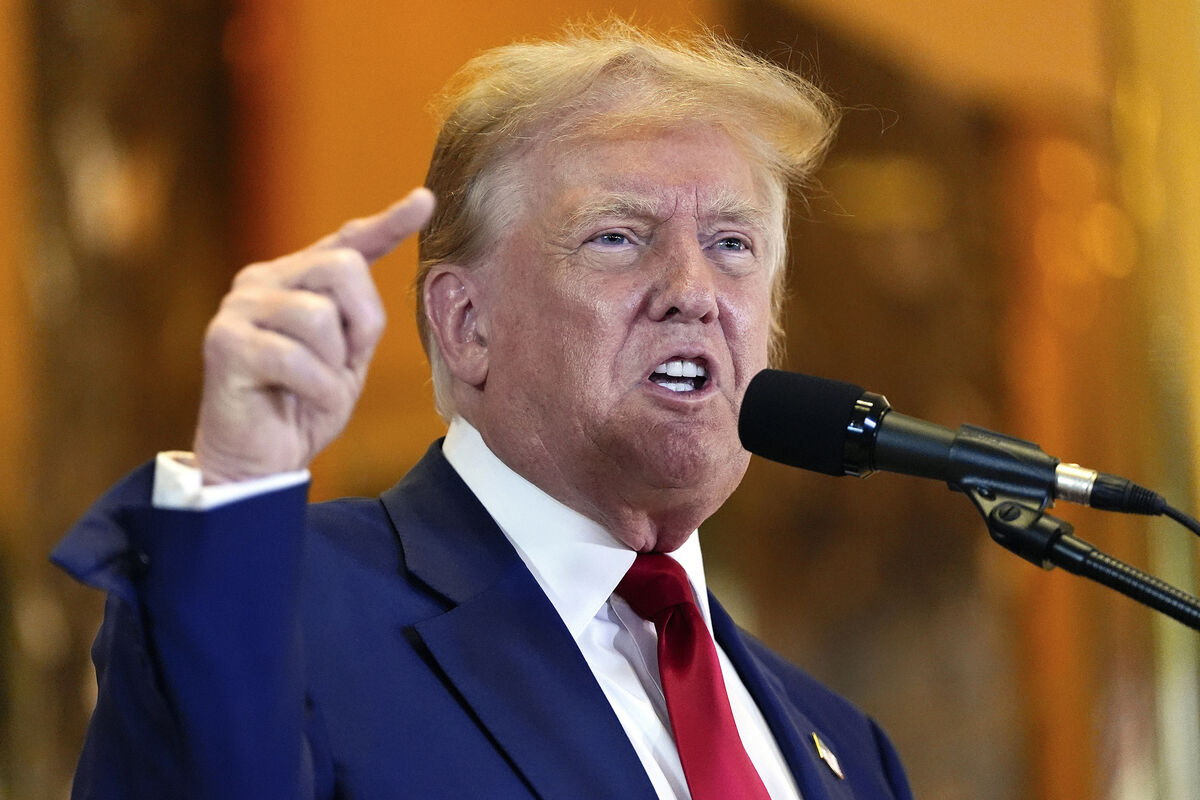
As a parent, how do you explain that the next US president is a convicted criminal who was found guilty of 34 counts of fraud six months before he was elected by 77 million Americans?
How do you explain why so many young women voted for a man who has been identified by at least 25 women who have gone on record to accuse him of predatory and inappropriate behaviour towards them, ranging from groping to rape?
Why is he targeting the poor and the elderly, and the most vulnerable, and those who can’t afford to pay for healthcare?
How do you explain why a 26-year-old man who is the chief suspect in the shooting dead of a healthcare company boss in New York, who was himself the father of two children, has become a social media folk hero?
There’s no point even trying to answer this question until you have explained the endemic online culture of prejudice and hate.
Why are 343 million people in 74 countries around the world on the verge of starvation when we can go to the supermarket every week and buy food and treats? Why doesn’t God provide food and water for all the people who are dying from famine?
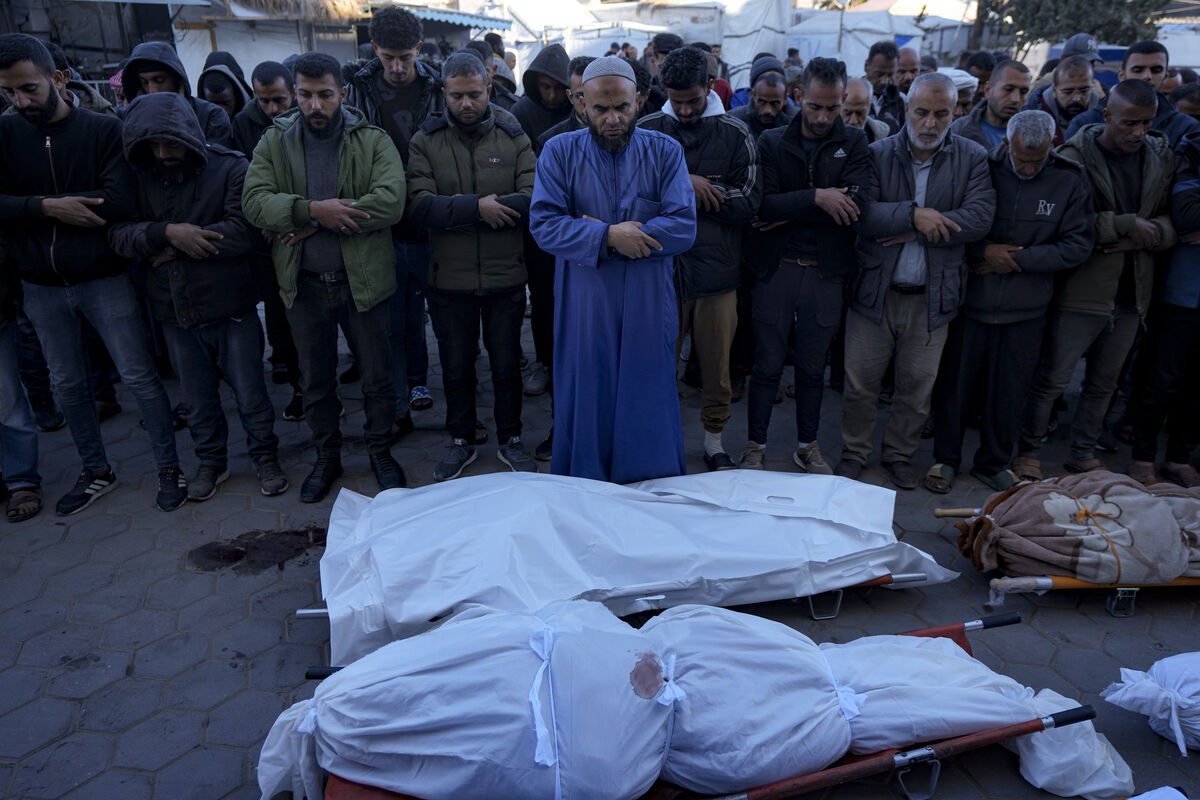
Why have more than 3,000 children under the age of five been killed by bombs and bullets in Gaza over the past 14 months? And why is this territory ranked as the deadliest place in the world for children if the Baby Jesus, the Prince of Peace, was born barely 50 miles away? And if God is Jesus’s father, then why doesn’t he stop Israel’s army from killing the innocent children and their parents?
Why did an opthalmologist who treated eye diseases and helped people to see again go back to his home country of Syria to become an evil dictator who tortured thousands of innocent men and women? Why would a man who is able to restore sight imprison his own people in underground darkness?
Why do people in America own guns, and why have there been 488 mass shooting cases there in 2024 alone?
Politicans vow the most recent will be the last. But it doesn’t work like that. Can it ever make sense to a nine-year-old why a teenager would casually stroll into their school armed with an automatic rifle, which they then use to murder their teachers and friends?
I was first introduced to existentialism when I was 16, during French class in school, and to the writings of Jean-Paul Sartre, his partner Simone de Beauvoir, and later to the German philosopher Martin Heidegger. Existentialism is a philosophy that focuses on the question of what it means to be human. “Hell is other people,” is perhaps my favourite Sartre quote.
We are up to our necks in an existential crisis right now, and have been for years. Sartre believed being with other people makes us deeply uncomfortable because it reminds us that our existence depends on how they perceive us, or how we want to be perceived by them.
You’ll know if someone you know is experiencing an existential crisis. They’ll say things like “I’m rethinking my entire life”, or “Eventually we’re all going to die, and everything we’ve ever done in our lives that we think is important will be forgotten forever”, or “What’s the point? No one gives a damn about what I think?” Actually your children do.
An existential crisis happens when mental pages that once mapped the plot of the story of your life suddenly fall out or go missing. There’s a hole in the script of humanity. It’s when trying to make sense of life proves impossible. Meaning becomes meaningless.
If we were to step back far enough and take a look at the journey we are on, each of us would see that our lives are composed of a string of existential riddles. These riddles are answered not by words or conversations, but by life choices, decisions, and behaviours which can lead us down the wrong roads — as we have seen above: Man’s inhumanity to man.
We might think we have years of understanding, but when an existential crisis strikes, our ability to cope with the reality can be as difficult as it is for the nine-year-old who expects her mother or father to have all the answers. Truth is, no matter what age we are, there’s no sense in trying to make sense of barbarity.
As a new year's resolution, perhaps we should concentrate more on cultivating the humanity in our own lives, rather than becoming hardened to other people's cruelty in an effort to avoid the hard questions.
Happy New Year.
CONNECT WITH US TODAY



Be the first to know the latest news and updates