Sarah Harte: Could a new crop of independents harness anger and come together?
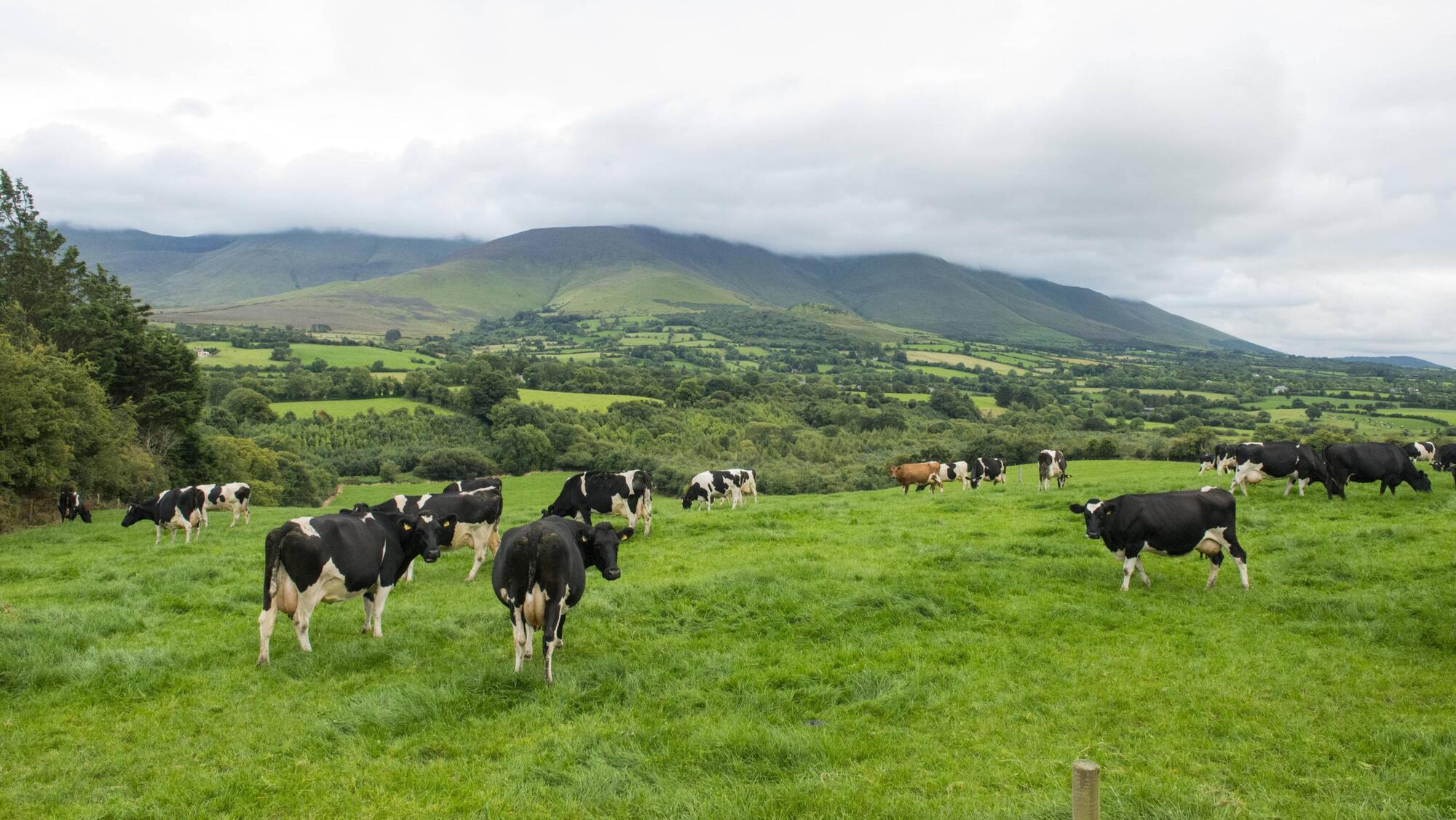
The lens in rural Ireland has always been different. Ignoring their concerns just plays into the hands of populists
Sarah Harte: Could a new crop of independents harness anger and come together?

The lens in rural Ireland has always been different. Ignoring their concerns just plays into the hands of populists. File picture

PREDICTIONS about the political future are difficult but a movement may be growing in rural Ireland. Depending on your perspective it has its roots in social conservatism or simply in ordinary voters disillusioned with the status quo or maybe a combination of both.

What do I mean by movement? First, many candidates are running in the upcoming local elections on platforms that promise local answers to local problems and “common sense”.

Some independent TDs are rumoured to be forming loose alliances, people like Verona Murphy who is running a team of candidates for the locals under the Wexford Independent Alliance but has plans to band together with other candidates at national level after the general election.

Last month a crowd of up to 700 people gathered in a hotel in Enniscorthy to hear her speak. It’s a number that the ard fheis of any political party might welcome.

Verona Murphy TD during a press briefing by independent TDs and senators at Leinster House, Dublin. Picture: Gareth Chaney/Collins

Michael McDowell (anything but rural) is also said to be considering an alliance of Independents to negotiate as a group. How true this is remains to be seen and it may just be a rush of blood to the McDowellian head post his success in the recent referendum.

New campaign

The newly formed Independent Ireland party of Michael Collins and Richard O’Donoghue is also offering ‘common sense’, although arguably some of the proposals Collins recently floated such as
legalising prostitution and castrating sex offenders
are anything but.

Limerick independent TD Richard O'Donoghue. Picture: Niall Carson/PA Wire

However, last week when clicking my tongue to an eminently sensible person in West Cork where Collins is also based, they replied: “Collins is a man to get things done.” The party’s plans to return up to 15 TDs in the next general election seem ambitious, yet it is also running multiple candidates in the local elections.

What this disparate bunch has in common is a right-leaning, populist voice, with a stated determination to put an end to the waste of public money, the disproportionate power of civil servants and quangos and the red tape that stops, to take one example, houses being built.

Who would potentially vote for these independents? The answer could well be people who live in rural Ireland.

Michael Collins, an independent TD in Cork South West. Picture: Karlis Dzjamko

Disconnect

As the political handler of one independent candidate put it to me at the weekend: “The Government is disconnected from the people. There is a sense that a consensus has been reached by the elite, that the wants, needs, and aspirations of ordinary people have been compromised.”

This language has echoes from 2016 when former president Donald Trump convinced the plain people of the Rust Belt that the Democrats were a bunch of elites out of touch with their concerns.

However, if you live in rural Ireland similar sentiments are commonplace. Naturally, the lens in rural Ireland has always been different. As somebody who lived for years in South Dublin before transplanting to West Cork, I’ve slowly come to grasp just how different.

I knew many in Dublin, with an assumption of infallibility, considered that there was a dip at Newlands Cross, whereby the concerns of rural Ireland (in their minds culchies who live in trees and file their teeth) were of little interest. But the contrast between both ‘tribes’ does seem particularly heightened at the moment.

In conversations with people ranging from auctioneers and solicitors, farmers, people in the hospitality industry, and people in towns, villages, and the countryside in counties such as Cork, Wexford, Waterford, Tipperary, and Louth the same issues repeatedly surface.

In some ways, all roads lead back to immigration and some of the challenges it has presented outside the pale. A strong view is that without an increase in services, the fabric of towns and villages forced to accommodate international protection applicants, and Ukrainians is being steadily destroyed.

There is a misperception about exactly what Ukrainian refugees are getting from the State but that doesn’t mean all issues raised about how they are being accommodated should be dismissed out of hand. What is true is there are no hotels left in some towns with around 20% of tourism beds nationally having been contracted to the State for Ukrainians and international protection applicants. The figure is much higher in some towns. This has decimated spin-off businesses with restaurants and cafes closing, resulting in job losses. A town that has nowhere for people to stay won’t attract either tourists or business conferences.

There is a perception that buildings that might have been earmarked for projects such as nursing homes are now being turned into IPAS centres — making money for the owners, some of whom are felt to be profiteers.

The pressure on school places is another pressing issue.

Some farmers consider that while they are asked to cull their cows, industrialised countries like Germany continue on their merry way.

Green deal

Then there is the green agenda. The farming community is livid at the compulsory culling of cows. Nine years ago, when milk quotas were abolished, farms scaled up and went into mass milk production. Now dairy herds must be reduced to meet climate change commitments.

Many farmers see themselves as custodians of the land and resent being viewed as destroyers of the planet. They consider that while they are asked to cull their cows, industrialised countries such as Germany continue on their merry way, and so the sacrifices made by Irish farmers won’t even count in impacting climate change. The Greens are viewed as an elite high-minded party that doesn’t mind losing seats because they believe in rigid objectives that discount the farming communities’ lives. And FF and FG are considered to have gone along with it.

It’s difficult to access certain public services with long waiting lists to see GPs in some areas. The mental health system is broken, which leaves desperate parents trying to find help for young people with acute mental health issues, many of whom have been on public lists for years. The only way to get help is to go privately at an out-of-reach cost for many.

The central thrust to complaints seems to be that a Dublin-based political class along with sections of the media and NGOs form a left-leaning, virtue-signalling commentariat that has an exclusionary grip on the agenda of the day. If I had a euro for every time I have heard this, I could buy a new car which would help me to traverse the tactical course of the potholed roads of West Cork.

The danger

What is the cost of this discontent? Most obviously, it’s a creep to the right by people who fundamentally aren’t ideological or political but want to be heard. What is striking in the local elections is that some candidates promising to get things done are putting forward several reasonable-sounding proposals locally, while slipping their anti-migrant, Ireland-for-the-Irish rhetoric under the door.

This could normalise the idea of voting for anti-immigration candidates, and sentiments that might have previously been rejected by people who naturally occupy the right side of the middle ground (a very Irish way of putting it) could gain further traction.

And, yet, many ordinary people feel it’s impossible to raise concerns about migration without being branded a racist, and that has led to a palpable raw anger, one that impacted the recent referendum results. Is it far-fetched to suggest that a new crop of independents could harness anger and come together?

With seven weeks to go until the local elections, initial soundings from newly minted Taoiseach Simon Harris suggest that he’s got the memo that people feel abandoned. Last week, he announced plans to visit every constituency in the country, so he had better eat his rubbery chicken and listen up.

While several of the gripes are legitimate, the spectre of Irish people in unbecoming baseball hats emblazoned with ‘Make Ireland Great Again’ is not to everyone’s taste.

x

CLIMATE & SUSTAINABILITY HUB

More in this section

Revoiced

Newsletter

Sign up to the best reads of the week from irishexaminer.com selected just for you.

Cookie Policy Privacy Policy Brand Safety FAQ Help Contact Us Terms and Conditions

© Examiner Echo Group Limited