Mick Clifford: Fine Gael will have to answer for housing crisis
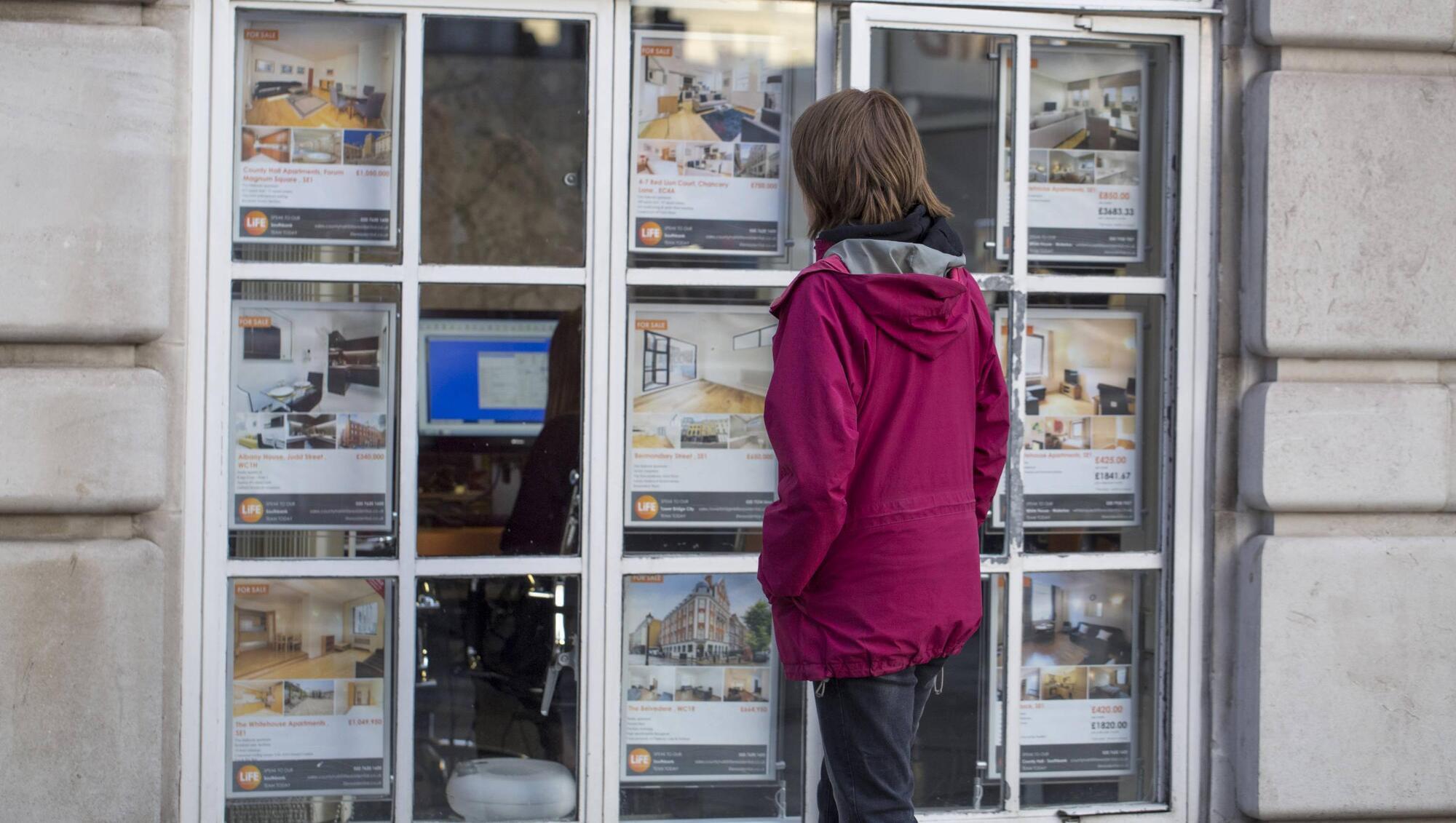
Mick Clifford: Fine Gael will have to answer for housing crisis

'We’ve had two emergencies, the pandemic, and Ukraine, both of which elicited the kind of responses which were required. Not so, housing.'

Over the last week or so, Fine Gael has been telling us we’ve never had it so good, and in one respect they may well be right. Among those patting themselves on the back was junior minister Neale Richmond who pointed out that unemployment, at a rate of 3.9%, is at its lowest level since 2001.

“Currently in Ireland, we have record low unemployment, 2.57m people at work — the most in the history of the state, tax receipts of €24.1bn over the past 12 months, and forecasts for our economy to grow by 4.9% this year, the highest of any EU country,” he said.

Those are spectacular figures, well worth a pat on the back. Why then do so many in the country feel like applying the pressure six yards south on the party’s anatomy for a kick up the rear end?

First off, credit where it is due. Some claim that the rude health of the jobs and tax elements of the economy have precious little to do with government and is simply the result of global winds. This would be entirely unfair. Since soon after taking the reins of power in 2011, Enda Kenny’s government put huge emphasis on creating the conditions in which jobs would become available.

In 2012, the Action Plan for Jobs, which included 270 measures to be taken, was launched. The unemployment rate was 15% at the time, the fifth highest in the EU. The foreword to the plan stated that getting Ireland back to work “is the all-consuming obsession of every cabinet minister at a time when we have never seen more people unemployed”.

So it was that huge drive and resources were put behind the plan over the following years, including producing quarterly reports on progress. In February 2013, Kenny announced at the quarterly review that he was “pleased to report that we have delivered 249 of the 270 actions”, demonstrating the “strong commitment that this government has to addressing the fundamental challenge for this country.”

The only problem was this drive was completely absent in other vital aspects of governing. The following September, a conference was told that the country was facing a shortage of housing in key areas. The revelation came from the head of management assets at Nama, John Mulcahy.

“Watch this space — there is a housing issue for sure,” Mulcahy said. He also said he was confident that Nama would pay off all the debts it had incurred from buying bad property loans by 2020.

“I won’t stick my neck out and say we’ll cruise it, but we’ll get there,” he said.

No alarm bells went off. Here was a man who knew his onions saying that a housing shortage was on the way. Despite that, his main focus — handed down from his political masters — was expedient repayment of the debt incurred by Nama. Nobody in government called him in to tell him to cool his jets on the repayment and see where Nama’s vast resource of housing could be deployed in order to alleviate any shortages. Nobody in government stopped to wonder whether there was the possibility that housing provision in a recovering economy might become a major issue.

The only solution that Kenny’s government could think of at the time was the Housing Assistance Payment (HAP) for those in need of social housing and inviting in funds to build unaffordable apartments. Sorted. There was no suggestion of any appetite for an Action Plan on Housing.

By that stage, people like Peter McVerry were also pointing toward a future where homelessness was likely to increase. Yet all the elbow grease was applied elsewhere. 

Not only that, but the government of the day had no interest in changing the paradigm in which housing was provided irrespective of the spectacular crash of a few years earlier.

One obvious example of how the government saw housing into the future was the decision in 2014 to axe the 80% windfall tax on rezoned land which had been brought in by the previous administration. The tax had been introduced in 2009 by the Green party coalition partner as a measure to ensure that future planning, and house building, would not be driven by the spectacular profits that accrued from rezoned land. The system, as it had been for decades, meant that land was one of the major outsized costs in the price of a house.

Five years later, under pressure from the Construction Industry Federation, Kenny’s government reversed the measure just to ensure that all the old principles would once again apply to the delivery of housing. This strategy of allowing policy to be dictated primarily by landowners and developers was to continue over the years that followed while the crisis deepened.

As time passed by, the jobs boom got boomier while the housing crisis got worse. Development to the greatest extent was still the preserve of the market. In 2017, the Oireachtas declared housing to be an emergency. Despite that, nothing was really done to reflect the seriousness of the situation. Since then, we’ve had two emergencies, the pandemic, and Ukraine, both of which elicited the kind of responses which were required. Not so, housing. The rest is recent history of muddling along, making interventions in the market, some of which were successful, but most simply exacerbated the problem.

The result is that we are now living in a country whose headline economy statistics is the envy of our peers.

 Finding a job is not difficult, but earning enough to pay exorbitant rent or saving to buy a home is a major drag on young lives in particular.

 The social contract, to that extent, is broken. And it’s not just the young who are bearing the burden.

Just this week, a report from the older people’s group Alone and the housing agency Threshold found that 40% of older renters expect to stay in such accommodation for the rest of their lives as there are few alternatives. Emergency homeless hubs, designed as a temporary solution until something permanent can be found, will, the report says, be needed as a place where some will have to see out their days.

Certainly, the current government is aware of the enormity of the housing emergency and is attempting to rectify it, albeit largely within the old paradigm which insists that the market will ultimately sort things out. They are playing catch-up but there is so much catching up to be done that it is difficult to see how serious inroads can be made in the short term.

So well done Fine Gael on the jobs front. But the next election is going to be all about how the party, with some input latterly from Fianna Fáil, has fashioned a state in which the basic need to have a place to call home is beyond the reach of so many.

x

More in this section

Revoiced

Newsletter

Sign up to the best reads of the week from irishexaminer.com selected just for you.

Cookie Policy Privacy Policy Brand Safety FAQ Help Contact Us Terms and Conditions

© Examiner Echo Group Limited