Joyce Fegan: From paparazzi to podcasts — princesses 20 years apart
"While we busy ourselves in the comparison of two princesses and the dissection of Meghan, in 2022, isn't it time we took a look at ourselves, and the systems and platforms we use, populate and participate in?"
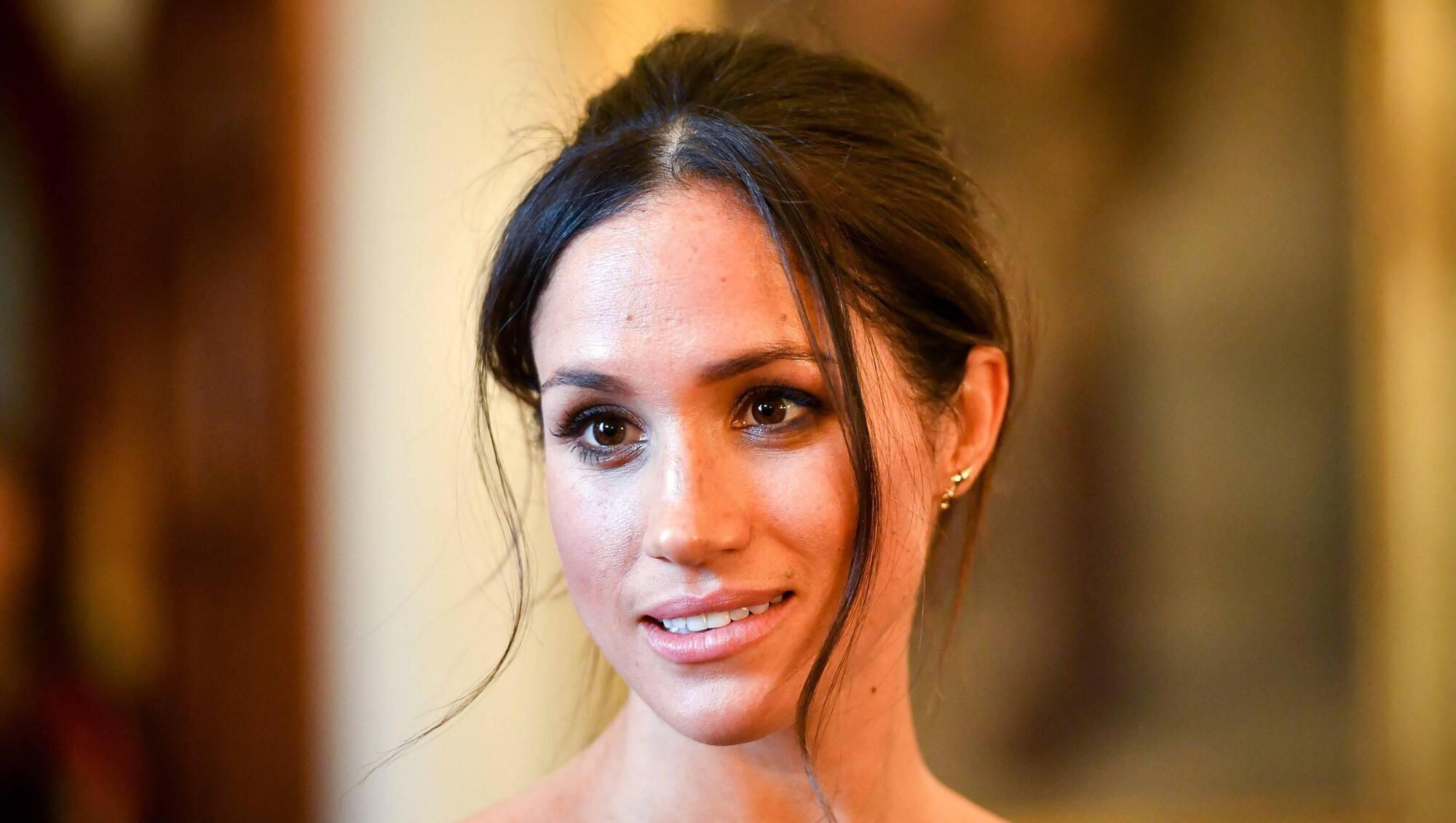
While images and videos of Meghan Markle are not being traded in the same way as Diana’s were 25 years ago, instead things like private letters she wrote to her father are.	Picture: Ben Birchall - WPA Pool / Getty Images

While images and videos of Meghan Markle are not being traded in the same way as Diana’s were 25 years ago, instead things like private letters she wrote to her father are. Picture: Ben Birchall - WPA Pool / Getty Images

PRINCESS Diana would have just been 61 were she still alive. Instead, this week marked the 25th anniversary of her death after a traffic collision in a Parisian tunnel. While the cultural narrative is that paparazzi pursued her to death, a 2008 inquest into her death found she was “unlawfully killed” due to two factors. There was the “gross negligence” of her driver, who was three times over the drink-drive limit, and the “grossly negligent driving of the vehicles which followed the Princess” — the paparazzi.

Twenty five years on, and in the same week, her daughter-in-law Meghan Markle, married to her youngest son Harry, gave a 6,500-word interview to American publication The Cut. She has just launched a podcast, Archetypes. Last week she spoke to tennis superstar Serena Williams about “ambition” for her show’s debut, and this week she spoke to singer Mariah Carey where the pair interrogated the term “diva”.

The podcast is her first official business foray after she and Harry stepped away from their royal duties, royal salary, and the UK in early 2020. Its success has been so large that it knocked the king of podcasts, the controversial Joe Rogan, off Spotify’s number one spot. The couple’s first move has been hotly anticipated by the masses, but perfectly timed by the pair.

In a week where some members the public revises and remembers the life of Diana once again, Harry and Meghan press launch on their independent life.

The timing, of course, has not been ignored by the critics, not of the couple, but of Meghan.

Meghan’s every utterance, both in the lengthy interview, and on the podcast, have been dissected and examined globally. Some tabloid outlets have even troubled themselves to go off and request comment from people who the former duchess may not even have referred to in her podcast. And in their sleuth-like certainty they have taken the moral high ground that they are the arbiters of truth, and Meghan, is, once again, spinning us all a yarn.

A large American media outlet has even photoshopped Meghan to have her bottom lip protruding into a petulant pout. The same photoshopped image sees her reduced to a pint-sized toddler, complete with tiara.

And there is also dispute over the cover photo that accompanied the 6,500-word interview, that it’s a copy of Diana’s portrait on her official biography, Diana: Her True Story — in Her Own Words. Meghan wears a black turtleneck for the cover, and Diana also wore a black turtleneck.

And it is this point of contention, where the world pits one princess against the other, and goes even further to discuss whether or not Diana would have liked her daughter-in-law.

Comparing women

Pitting woman against woman is as old as time in the public sphere, but how about we use this time to compare our treatment of two princesses two decades apart, instead of comparing them against each other.

While paparazzi are more than a dying breed 25 years on from Diana’s untimely death in Paris, it’s not like we’ve learned lessons, matured, or moved on.

Diana was not murdered, but the inquest did find she was unlawfully killed, due to, in part, the insatiable paparazzi, who made more than a dime for capturing her image, her day-to-day privacies on film, and sharing it with the waiting world.

Twenty-five years ago there was no social media, no smartphones, it was these guys holding long lenses and riding motorbikes who gave us our weekly or so fill of gossip from the nonconsensually shared moments of the lives of others.

While paparazzi are more than a dying breed 25 years on from Diana’s untimely death in Paris, it’s not like we’ve learned lessons, matured, or moved on.

In the 25 years between Diana’s death and now, we have become the paparazzi.

We shoot videos, take photos and share them on social media. In Ireland, how many times have you seen requests from An Garda Síochána for people to stop sharing images and names on social media, while an investigation is underway, or a traffic collision has just occurred?

We used to just be the consumers, part voluntary, part involuntary, now we are media creators, and our consumption habits also dictate the diet. Algorithms mean we get more of what we regularly consume. You can’t just blame the media and its selecting editors anymore, or the guys taking the shots.

While images and videos of Meghan are not being traded in the same way as Diana’s were 25 years ago, instead things like private letters she wrote to her father are.

The exact commodity might have changed, but our appetite certainly hasn’t.

Meghan, a celebrity, dares to give an interview in 2022, to plug a media product many will freely consume (it’s not like you even need to buy a cinema ticket) and the vitriolic discussion of the woman turns into an avalanche of hate.

Talk shows dissect her words and quotes, shouting even occurs between panelists, whole morning programmes are dedicated to a former princess, and no one thinks to say stop?

While we busy ourselves in the comparison of two princesses and the dissection of Meghan, in 2022, isn’t it time we took a look at ourselves, and the systems and platforms we use, populate, and participate in?

The public and the media like to talk about “the firm”, or “the establishment”, as if all of Diana’s, Harry’s, and Meghan’s problems originate from the British monarchy, but there’s us too. There is how “the firm” treats its members, and there is how the public relates to and treats others.

Maybe gossip and images to corroborate it were media commodities in 1997, but in 2022, hate is one of social media’s greatest commodities.

How would Diana have fared in the world of 2022? It’s unlikely she’d have an Instagram account, or spend much time on Twitter, maybe she’d have given Oprah the odd interview, and perhaps she’d have appeared on a podcast or two, but would our treatment of her have ever changed?

In October 2021, research from a data science company that identifies dis- and misinformation looked at the traditional and social media’s treatment of Meghan Markle. It found that “70% of hateful posts about her came from just 83 accounts that reached up to 17m Twitter users”.

We are not all hateful, but hate is a highly-profitable commodity 25 years on from the “unlawful killing” of the People’s Princess.

When we compare ourselves 25 years apart, dissecting our own behaviours, we find that the trade of gossip has been surpassed only by the trade of hate.

More in this section

Revoiced

Newsletter

Had a busy week? Sign up for some of the best reads from the week gone by. Selected just for you.

Cookie Policy Privacy Policy Brand Safety FAQ Help Contact Us Terms and Conditions

© Examiner Echo Group Limited