Maeve Higgins: 'I have three clients on death row right now, all put there by junk science'
destv csi

The US runs the world’s largest carceral system. Guilty or not, the state is an expert in locking people up. Plenty of people in prison are innocent of any crime and many have even been executed for crimes they didn’t commit.
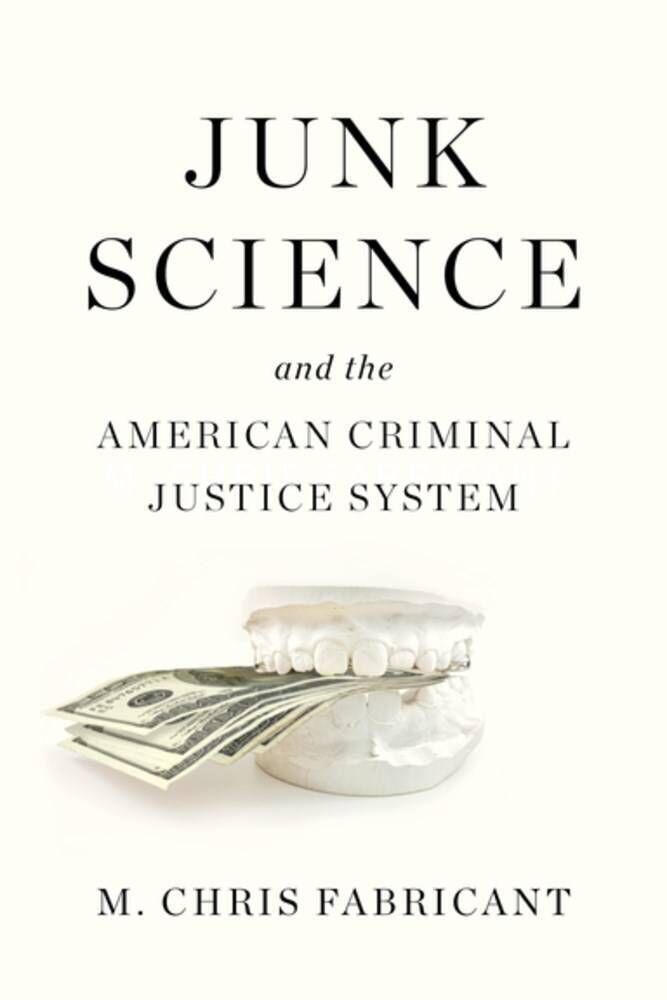
A new book, tells the story of some of these wrongful executions, as well as the tawdry ascent and eventual take down of bogus ‘sciences’ like bite marks and blood spatter analysis, which have now been thoroughly debunked.
The book is an ideal and strangely enjoyable way to consider what is untrue about ‘true’ crime. The author, Chris Fabricant, is a former public defender and now the Innocence Project’s director of strategic litigation. His perspective on the entire criminal justice system is a rare and fascinating one. We spoke this week, and I began by asking him why he wrote this book.
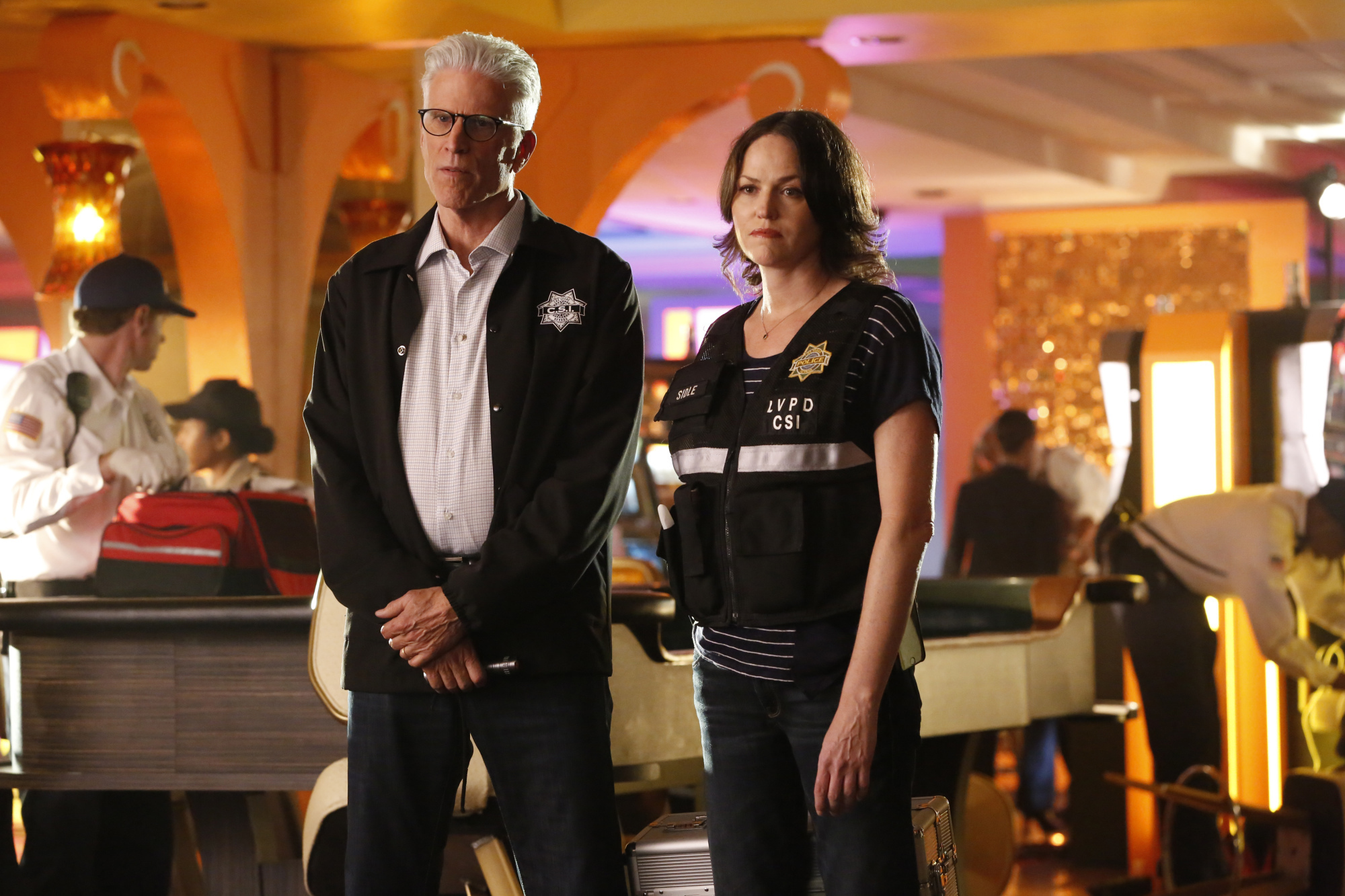
You know, I wanted to correct the narrative around forensic sciences that has been perpetuated in popular culture — from the time of [a 1970s' TV drama about an LA county medical examiner] all the way through contemporary -type shows — that take forensic sciences as infallible. And it was really important to tell our clients’ stories about the cost and the impact of junk science in the legal system.
And who do you want to read this?
A mainstream audience, not lawyers, not law students, not judges, but jurors; people that are observers and are interested in the criminal legal system but don't really have insight. My clients’ stories are so incredible that they tell the story that needs to be told, without getting deep in the weeds on science.
On the storytelling thing — your book made me think so much about how stories are important, like your clients' stories are important to understand for the sake of justice. But the destructive power of stories came through too.
You know, I write a lot about cognitive biases and the way that storytelling plays into our biases to complete narratives that connect dots that may or may not actually connect. There is a scene in the book where I talk about one of the hearings to determine whether or not bite mark evidence is scientifically valid and therefore admissible. And you could see how the junk scientists just tell stories throughout the hearing to the judge and how persuasive stories are — even in something where really we should only be talking about science and the storytelling should not be part of it.
There is a boom in true crime media that is making people study forensics more — what are your thoughts about that?
You know, it's funny, I was just at my wife's family reunion in Minnesota. Huge family, and there were a handful of young college students that were there and some were interested in a career in forensic sciences. I asked one young woman why and she talked about her inherent fascination that comes from watching shows like and . I wanted to encourage her to pursue any passion that she may have, you know, but I really wanted her to understand that this is not a voyeuristic endeavour. This is the human rights struggle of our generation.
What do you mean?
Chris Fabricant: In our system now, there are those who believe that incarcerating 2.3 million people, as we do here at any given time in the United States, is an appropriate response to crime. And there are those that link mass incarceration to slavery, to Jim Crow, in a straight line. And that's really the dividing line. So, if you're going to be involved as a forensic scientist, like some of these shows depict, you have to understand that it's nothing like that at all. You're not going to be in a squeaky clean white lab coat in some high-tech crime lab. You're going to be in what amounts to a strip mall, doing massive caseloads, with massive backlogs on DNA testing and fingerprint testing, and firearms testing. Beyond that — and this is one of the fundamental problems with forensics not just here, but elsewhere — is that it's often just an arm of law enforcement.
It’s interesting to me that science is supposed to always be changing and growing. But with law, there's a precedent that gets set and it has to stay that way, does that mean science and law are fundamentally in conflict with each other?
It's a central tension in our justice system that when a judge is considering a challenge to the introduction of purportedly scientific evidence, the court is very unlikely to consult the scientific literature to make that decision. The court is very likely to rely on legal precedent, and legal precedent almost never changes. But if we're going to use scientific evidence, and we use it more and more all the time, we have to accept the fact that what we believe today, tomorrow might be false. And if that happens, then we have to be willing to go back and correct the record and correct miscarriages of justice. I'm trying to prevent those from happening in the first instance, but a lot of what I do is what I was doing in Georgia yesterday.
The day before we spoke, Mr.Fabricant was at a hearing for one of his clients in Georgia. Jimmy Rogers was convicted of the rape and murder of his neighbour in 1980 after prosecutors used bitemarks, hair comparisons, and a poor-quality latent fingerprint as evidence.
My client was put on death row by junk science. But it’s just so hard to un-ring the guilty verdict bell once it's been rung. The entire legacy of junk science is so hard to undo. I got a call last week from a lawyer about a new case where they're going to try to take a mould of her client's teeth to use and make it a bite mark case.
But isn’t it well known now that bite marks are total junk science?
Yes they have been debunked, but they're still admissible everywhere you go. And when prosecutors have a tough case, they're going to go the junk science. I have three clients on death row right now, all put there by junk science, That's what keeps me up at night.
CONNECT WITH US TODAY



Be the first to know the latest news and updates