Mick Clifford: What goes on behind our high prison walls?
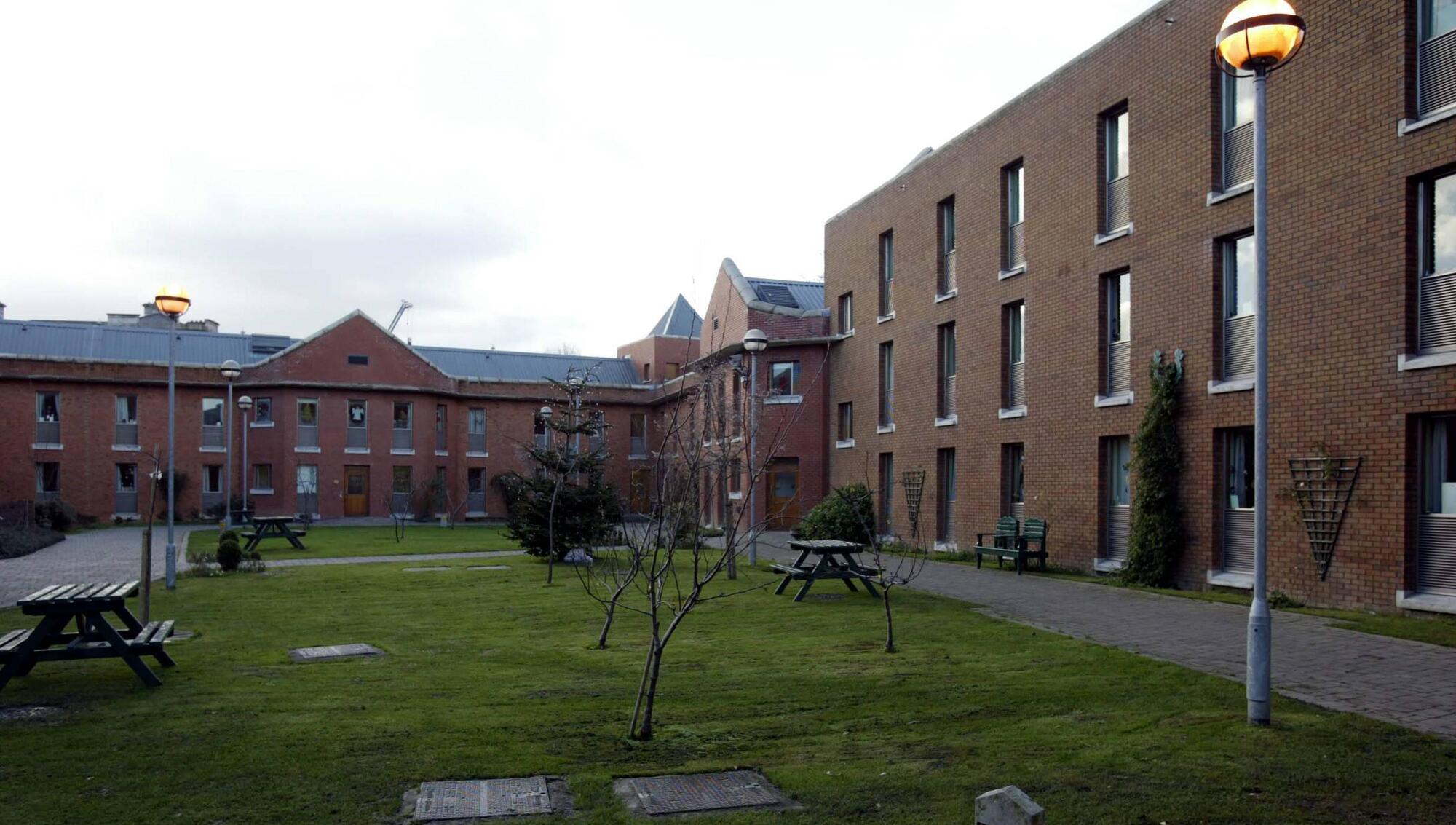
When an issue blows up in one of the State’s jails, much breast-beating ensues but once the eyes of the media and public are averted, the doors slam shut, writes Mick Clifford
Mick Clifford: What goes on behind our high prison walls?

An inquiry into serious allegations emanating from the women’s prison, the Dóchas Centre, is still ongoing. A report had been scheduled for March of last year.

A FEW weeks back, I submitted a Freedom of Information (FOI) request to the Irish Prison Service (IPS). The request was for a few documents generated on a particular date in the last year. 

Retrieving these documents should take about 10 minutes. Under the Freedom of Information Act, a reply must be furnished within 28 days. I sent my request by email at 12.19pm on the day in question. At 1.21pm, I received an acknowledgment. 

At 1.23pm I received another mail, which informed me: “The deciding officer assigned to process your request has requested a time extension of four weeks. Under Section 14 of the FOI Act, a deciding officer may extend the standard four-week period in which to answer a request.”

The main reason for the section cited is to provide for the extra work that may be required to retrieve requested documents, particularly if the request involved a large volume. It is impossible to imagine that following a cursory assessment of my request, over the space of two minutes, a conclusion was reached that it could take up to eight weeks to retrieve the few, easily identifiable documents at issue.

I appealed to the information commissioner. Before that appeal was completed, within 20 days of my original request, I got a reply from the IPS. No doubt the involvement of the information commissioner was coincidental to the matter being dealt with much quicker than was originally forecast.

That was not an isolated experience. In 2020, under the FOI Act, I requested a copy of the chaplain’s annual report from the Dóchas Centre, which had been completed six months earlier. Retrieval of that document should have taken two minutes, three, tops. However, section 14 was again invoked and I finally received the report eight weeks later.

This approach in the prison service to disseminating information is not confined to attitudes towards pesky reporters.

In 2019, a report was compiled by an external investigator into whether three prison officers had placed the lives of colleagues in danger by disparaging them to some of the most dangerous criminals in the State. The investigator found that the allegations had substance. His report should have been immediately forwarded to the governor of the prison in question, Portlaoise, to decide on what action to take against the officers in question.

Instead, the report lay in IPS headquarters in Longford for seven months. No disciplinary action was taken against the officers deemed to have offended, with one of the reasons cited for this being “the passage of time”. 

Allowing time to pass, while the evil day of bad news is pushed out, appears to be a habit in the prison service.

That attitude to openness and transparency was referenced once again this week in the latest progress report on prisons from the Irish Penal Reform Trust (IPRT). One of the main themes in the IPRT report is the lack of oversight and monitoring of what goes on behind prison walls. 

This is at variance with the approach in most countries in the democratic world. While prisons are never going to be a burning political issue, there is acceptance in other jurisdictions that accountability is necessary when it comes to managing those who are detained and deprived of their liberty.

According to the IPRT report: “There has been no report on a closed prison published since 2014, which undermines public scrutiny and accountability of the State. The inspectorate relies on the Department of Justice for funding, as well as publication of their reports, which must first go through the Minister for Justice.

“While it occurs rarely, the Minister for Justice holds the power to redact information for the OIP [Office of the Inspector of Prisons] Inspection Reports.”

The current inspector, Patricia Gilheaney, has handed in her notice. Her successor has not yet been announced. In July 2020, Ms Gilheaney was made aware of serious allegations emanating from the women’s prison, the Dóchas Centre. 

She informed the justice minister, who asked the inspector to conduct an official inquiry into the matter. The inquiry was scheduled to report by March of last year. It is still ongoing despite, according to a number of different sources, the best efforts of the outgoing inspector.

Information, particularly if it has the potential to embarrass the system, is slow to be processed in other ways. I am aware of at least two investigations into entirely separate protected disclosures that are not fully completed after three years.

“The importance of good, robust comprehensive data that is routinely made publicly available cannot be overstated,” the IPRT report concludes.

“Such information enables monitoring bodies (both national and international) and civil society organisations, as well as the wider public, to understand what is happening in our prisons and the wider criminal justice system.”

In 2019, Patricia Gilheaney compiled a report about allegations that prison officers had been involved in illegal surveillance and other practices that are not part of any official management handbook.

Every now and again the political system makes noises about ensuring more accountability in the prison system. In 2019, Ms Gilheaney compiled a report about allegations that prison officers had been involved in illegal surveillance and other practices that are not part of any official management handbook.

The inspector found that most of the allegations were based on fact. Publication of that report was delayed nearly six months. It was finally released on the Friday evening of the August bank holiday, probably the best day in the calendar to attempt to bury bad news.

Then justice minister Charlie Flanagan appeared to indicate that the revelations meant a new order of accountability and transparency was required. A new prison board would be established under an independent chair as well as new audit, risk, and culture committees, he said.

Two-and-a-half years on, there’s no sign of any of that. As always with the prison system, something blows up now and again and much breast-beating ensues. Then, once the eyes of the media and public are once again averted, the doors slam shut, and what goes on behind those high walls is again kept as far away from scrutiny as possible.

More in this section

Revoiced

Newsletter

Sign up to the best reads of the week from irishexaminer.com selected just for you.

Cookie Policy Privacy Policy Brand Safety FAQ Help Contact Us Terms and Conditions

© Examiner Echo Group Limited