Families 'should be told about security when collecting prisoner's belongings'
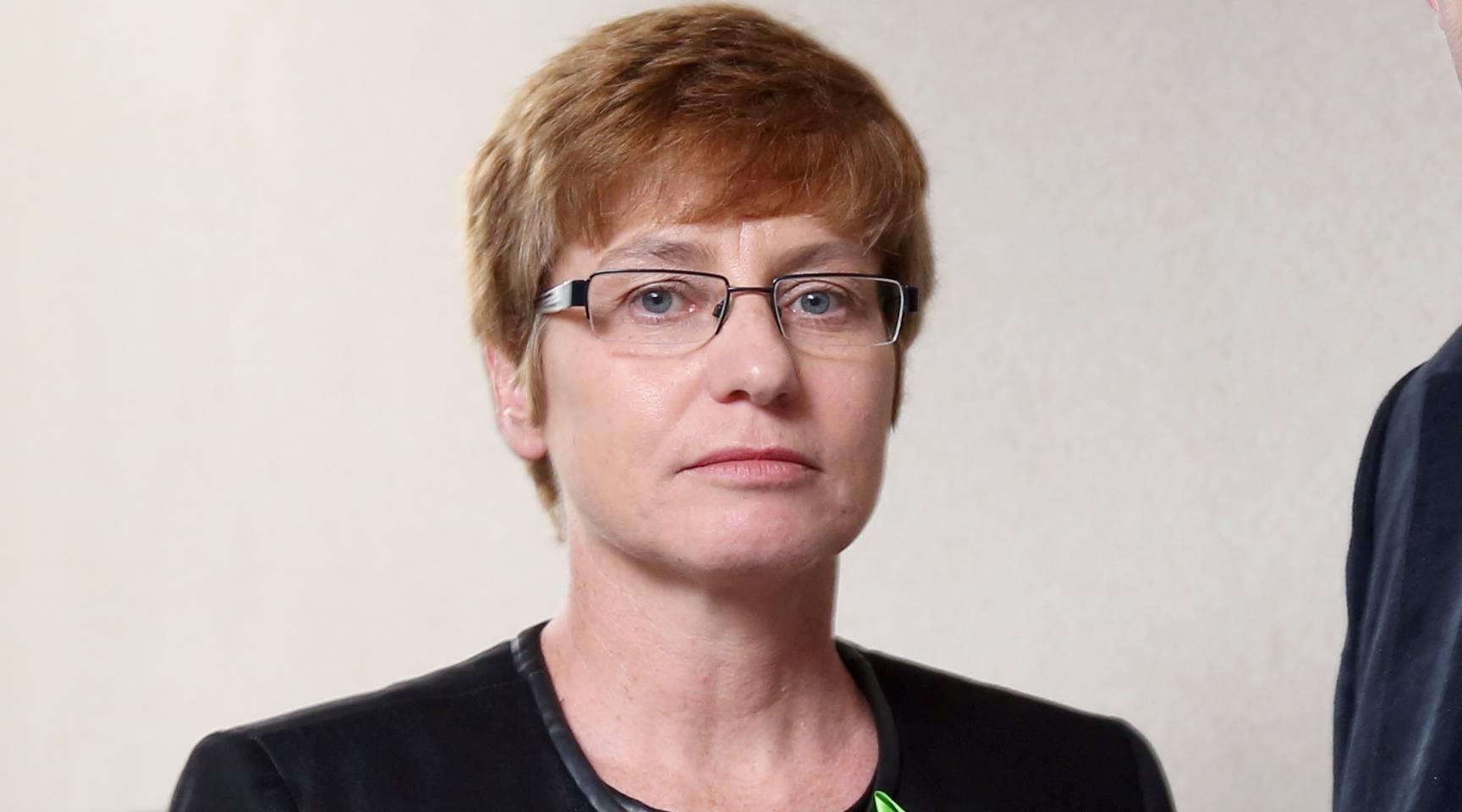
In her recommendations, Inspector of Prisons Patricia Gilheaney said the Irish Prison Service’s management “should ensure that there is clear communication in advance to the family of a deceased person as regards the security requirements placed on them when entering a prison to collect person (sic) belongings.” Photo: Jason Clarke Photography
The Inspector of Prisons has recommended that families of a deceased inmate should be made aware in advance of security measures needed when collecting their loved one’s belongings from prison.
The recommendation by Inspector Patricia Gilheaney followed the death of a prisoner in the Midlands Prison on January 27, 2019. An investigation into the circumstances surrounding the death of the 22-year-old prisoner, identified only as Mr A, was conducted by Ms Gilheaney and included a meeting with the grandparents of the young man.
The report said: “Mr A’s grandparents informed us that they were unhappy in how their daughter, Mr A’s mother, was notified of the death of her son.
We were also informed that Mr A’s father had died suddenly the previous year and Mr A found it difficult to cope following the death.”
Mr A died less than a year before he was due to be released on December 26, 2019. He had been committed to the prison on June 27, 2018. The report noted that the cause of his death “is a matter for the coroner”.
The report also highlighted that the grandparents went to the prison to collect their grandson’s belongings and were upset that they had to go through the search area of the prison, where there were drugs dogs present.
The report outlined: “They suggested that the Prison Service should have an area before the search area where personal belongings could be received by the family.”
In her recommendations, Ms Gilheaney said the Irish Prison Service’s management “should ensure that there is clear communication in advance to the family of a deceased person as regards the security requirements placed on them when entering a prison to collect person (sic) belongings.”
She noted that consideration should be given to holding all such meetings in an area such as the visitors' waiting area where security screening is not required.
She also recommended that consideration should be given by the Irish Prison Service to reviewing the Protocol on ‘Chaplaincy and Notification of Next of Kin’ in relation to deaths in prison, to provide for the assistance of An Garda Síochána in a situation where contact with the next of kin of a deceased person cannot be made in person in a timely manner.
The family of Mr A questioned why his mother was notified by phone of his death, while at home alone with five of her children, instead of being visited by a member of An Garda Síochána or a local priest to notify her of her son’s death. The call was received at 4am on the morning of his death.

In response, the Irish Prison Service has committed to a review of its notification of next of kin protocol when “the arrangements for out of hours services by Chaplains is agreed with staff representatives”.
The body has also committed to its operations management issuing a circular regarding the importance of clear communication with the family of a deceased person regarding security requirements.
The Irish Prison Service added: “Consideration will be given to the availability of areas where security screening is not required. However, it is important to note that this is not always an option depending on the location of the death in custody”.