Joyce Fegan: We could lift Christmas spirits by reducing our Hallmark expectations

We don't have to give each other an orange for Christmas, but maybe if we cooled the jets a bit and took this much-needed festival back from what advertising Inc says it should be
Joyce Fegan: We could lift Christmas spirits by reducing our Hallmark expectations

Christmas is a heavily polished ad that we must now act out accordingly.


The pressure is on Christmas. Don your matching festive PJs, get the group photo under the tree. Nab yourself a sequin-laced Christmas jumper. Visit a Christmas tree farm, à la every American Christmas movie you’ve ever seen. Max the credit card. Dress a child up as Santa or a snowman. Accept every social invitation extended. Put antlers on your car. 

Play Christmas songs only, on the kitchen radio between now and December 25. Google new traditions you can create. Scan Pinterest for new craft projects you can make. Buy every deal Lidl, Tesco, SuperValu, Dunnes and Aldi have to offer. Out-compete the neighbours and make your house visible from outer space. Make your own mulled wine. Make a mince pie part of your five-a-day. Attempt to gather and convene lineages of extended family, regardless of any pre-existing politics. Paint it picture perfect.

”Up to and including St Stephen’s Day, you may have visitors to your home from a maximum of two other households. After that, from December 27, up to and including New Year’s Eve, you may have visitors from one other household to your home,” this was last year’s State-mandated festive advice.

So was this: “You may travel outside of your county up to and including St Stephen’s Day”.

And not forgetting that all of our wild geese around the world were locked out, unable to return home to the airports of Dublin and Shannon and Cork for their collective and televised welcoming, new babies and partners in tow.

Christmas 2021 — you have a lot to make up for. Especially now, as the national ebb is low, if not flatlining. 

For thousands of years, Christmas, in whatever secular or religious form, served as a midwinter festival to lift spirits, to help people through the darkness of winter. Our Celtic ancestors and those before them, celebrated the return of the light, so much so that they built huge, complex monuments to capture the rays of sun that signalled the lengthening of days and the regrowth in nature. Christmas, or mid-winter festivals, have always been of utmost importance to humans.

And for those of us alive on earth in 2021, it’s no different. Except it is.

Forget about perfect and concentrate on what matters.

We’ve been heavily marketed too. Christmas is a heavily polished ad that we must now act out accordingly. The expectation, created by about 200 years of advertising, is starting to ruin a festival essential to our wellbeing.
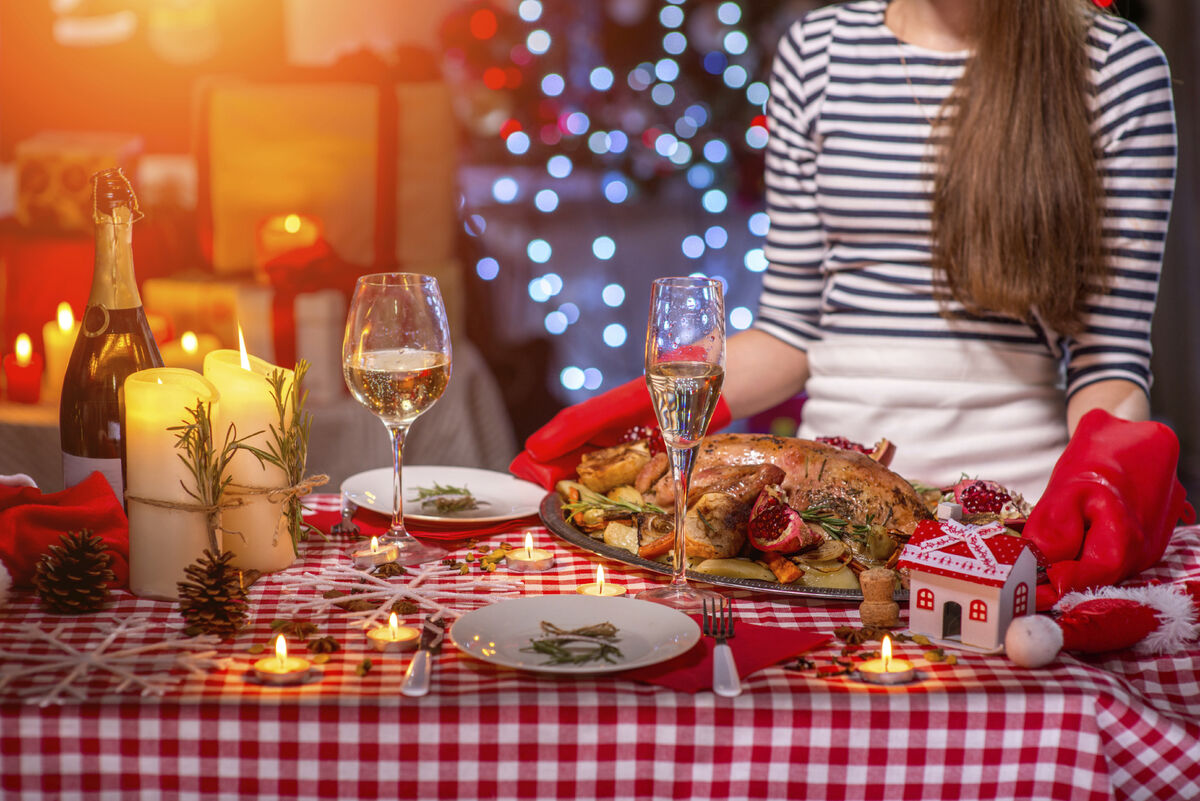
The first Christmas ad appeared in the US in the 1820s. By 1867, the American retail store Macy’s kept its Manhattan store open until midnight on Christmas Eve to cater to shoppers.

Even our beloved Rudolph the red-nosed reindeer is a construct of commerce — invented by another American retailer, Montgomery Ward, in 1939. Rudolph first appeared on their free colouring books — designed to entice customers through its doors.

All that said — this is not to bah humbug Christmas, it is the opposite. This is about taking a much-needed Christmas back from the clutches of idealised advertising.

The expectations created by overdosing on the songs, the Hallmark movies, the roadside billboards, or the poignant ads of familial love and connection on TV, or on Youtube — depending on your generation — set us all up to fail.

Not to state the obvious, but alcohol is part of this. According to our Health Research Board, alcohol-related harm leads to three deaths per day in this country. Many people will have the glittery ad of an ideal Christmas in their mind’s background, while struggling to deal with the fallout of a loved one’s relationship with alcohol on the days surrounding the entire holiday.

It's not like the movies

Family discord, for whatever reason, is another reality not depicted in TV ads or on the billboards. Icy relations between an adult child and their ageing parent doesn’t exactly cultivate the cosy festive feelings that our Don Drapers get paid the big bucks to generate.

There are other realities our citizens will face, like covert or overt homophobia and transphobia lurking in their family’s or in-law’s homes. Being wholesale rejected for who you are by the tribe you were born into, doesn’t exactly create festive cheer.

Then there are the more common situations of financial stress at best, and breadline poverty at worst. In our endeavours to recreate the magical wonderlands of the TV ads in our own homes, there are people taking on debt just to do so. I’m sure children would prefer less stuff in exchange for a more relaxed guardian.

St Vincent de Paul says it expects calls for help this year to be “at their highest level” in its history. The charity’s been in Ireland since 1844 — the time of the Famine. There is nothing festive about debt. And there is nothing cosy about suffering.

In a year when we need refuge from the news and respite from restrictions more than ever, those needs will not be met in a performance of a Hallmark-perfect Christmas. A global organisation, the Center for Nonviolent Communication, lists seven core needs of human beings. They are: connection, physical wellbeing, honesty, play, peace, autonomy and meaning.

While ‘physical wellbeing’ lists things such as food, air, shelter, and water as core needs, it is connection that details the most exhaustive list.

Under the umbrella of connection, humans need acceptance, belonging, compassion, to feel appreciated for who they are, a sense of safety, to be seen and known as they actually are... and the list goes on.

Those core needs sound a lot like the values we are actually trying to bring to life at Christmas. Thanks to Irish historian Marion McGarry, an authority on our customs and rituals, we can see what our less advertised-to grandparents and great grandparents got up to around this time.

Do we really need all the trimmings?

December was spent cleaning, both the house and farm buildings. Then, just before December 25, the kids went out collecting holly and ivy to decorate the interiors with.

The Christmas tree was actually the top branch of an evergreen planted in a pot — then decorated with homemade paper chains. Our ancestors also led the charge in shopping local. Families would travel to their nearest village or town to “get in the Christmas”.

People brought in farm products like eggs or butter if they had them, then sold those goods, using their earnings to buy their own Christmas provisions.

Those provisions, ribbons or fruit or handmade toys found their way into stockings on bed posts or into Christmas dinners cooked on an open turf fire — usually pot-roasted goose.

I’m not saying we should be giving each other an orange for Christmas, but maybe if we cooled the jets a bit and took this much-needed festival back from what advertising Inc says it should be, we could go some way to lifting spirits, and reducing Hallmark expectations, at this time of low ebb.

More in this section

Revoiced

Newsletter

Sign up to the best reads of the week from irishexaminer.com selected just for you.

Cookie Policy Privacy Policy Brand Safety FAQ Help Contact Us Terms and Conditions

© Examiner Echo Group Limited