Daniel McConnell: 'Grace' scandal shows how we reward failure and punish courage
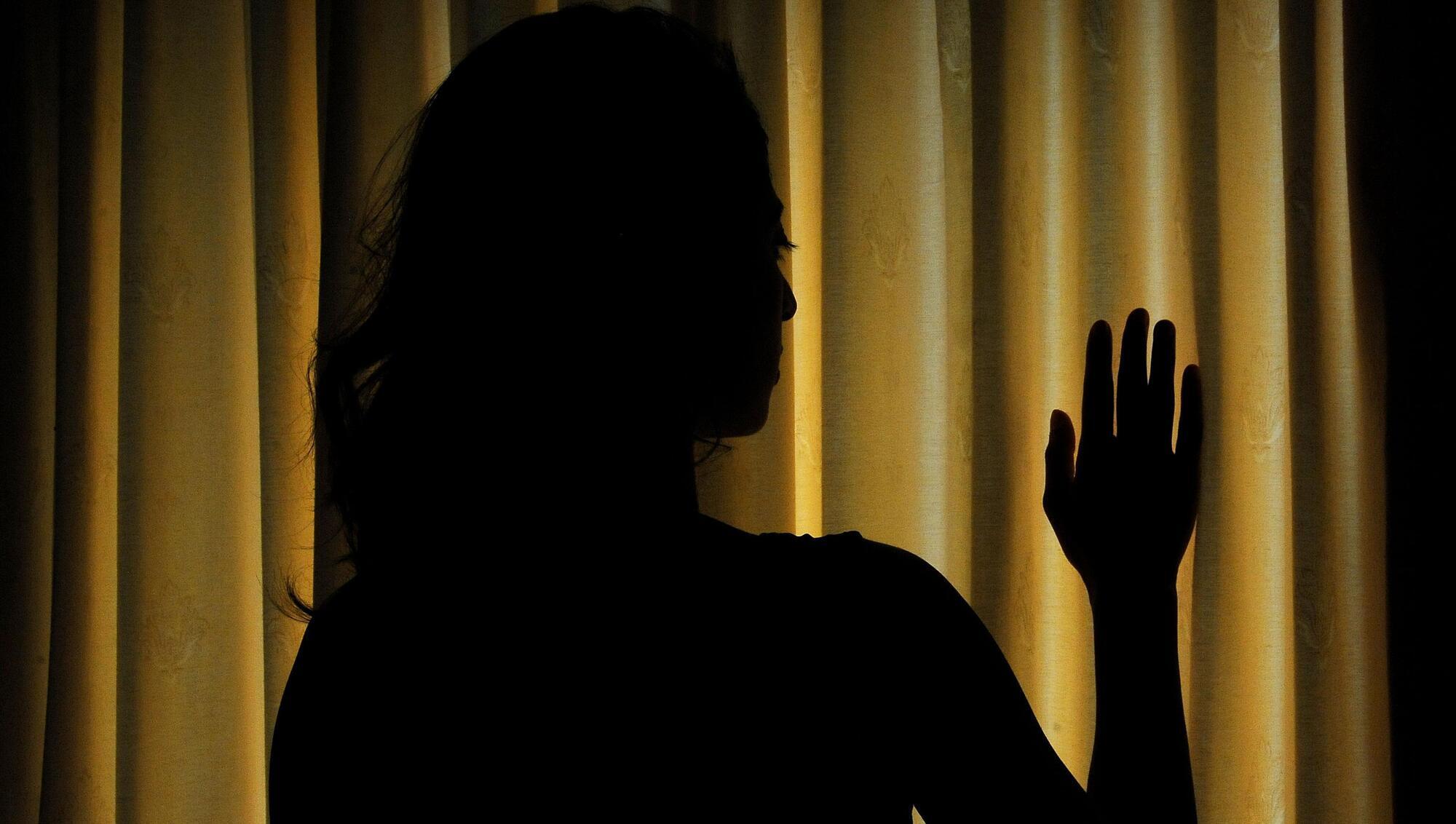
The State Commission of Investigation’s report into the mishandling of Grace's case, formally published on Friday, documents the level of neglect, but worse it shows in my view disgraceful levels of amnesia from witnesses before it as to their failures.

We hear a lot about a just society from our political leaders.
The need to look after our most vulnerable, to protect them.
We hear a lot about how the State can be that force of protection and salvation for those who fall between the cracks or who simply can’t fend for themselves.
It all sounds wonderful, and while in Ireland we do have a generous welfare system, this State has a most shameful record of not only abandoning the most vulnerable but punishing them and those who speak out on their behalf.
The case of 'Grace', which is once again back in the news, is a stark example of this.
Grace is the intellectually disabled woman who spent 20 years in a foster home in the South-East of the country where she was subjected to the most horrific abuse and neglect.
Calls from leading politicians, current and former, for health staff involved in the ‘Grace’ case to be sanctioned are fully justified.
We know there are calls for a full debate in the Dáil next week on the matter.
As the revealed this week, the State Commission of Investigation into the mishandling of Grace’s case documented catastrophic failures by individuals who were charged with her care.
The commission’s report, formally published on Friday, documents the level of neglect, but worse it shows in my view disgraceful levels of amnesia from witnesses before it as to their failures.
From allowing a couple with criminal convictions to become foster parents in the first place, to failing to act by way of removing Grace from the home when allegations of abuse surfaced against the foster father, to the years when she had no social worker or anyone keeping an eye on her, the list of appalling failures goes on and on.
While the Commission concluded that “systemic failures” led to what happened happening, such conclusions have cut little ice with senior politicians who have been instrumental in fighting the system all the way along to have the truth emerge.
While people like John McGuinness and former minister Finian McGrath (who established the Commission) have called for heads to roll, I fear such calls will fall on deaf ears.
We simply don’t do accountability in our public service.
Far too often in the past, where clear instances of failure by public officials were identified, the blame fell on the system as opposed to individuals who escaped any sanction - or dare I say it the sack.
One of the key events covered by the Commission’s report into the Grace case was the 1996 reversal of a decision to remove her from the foster home. This was after an allegation of abuse had been made against the foster father.
The foster parents appealed the decision, initially unsuccessfully, but matters took a turn after a letter from the foster father to Health Minister Michael Noonan was sent, seeking his help to stop Grace’s removal from the home.
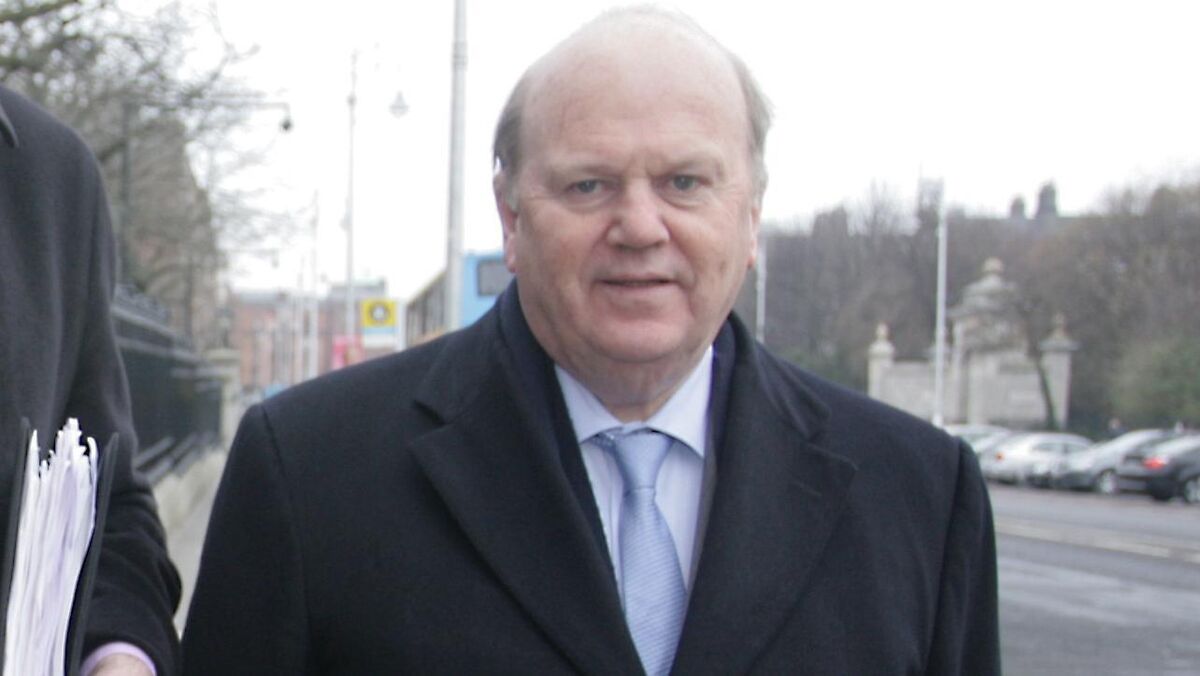
While the Commission has cleared Mr Noonan and his junior minister Austin Currie of seeking to intervene in the matter by way of representation, it said they acted “in accordance with custom and practice at the time”.
Both Mr Noonan and Mr Currie had no comment to make when contacted about the report earlier this week.
However, the letter must have had some impact as the initial move to transfer Grace was delayed and later overturned altogether.
The Commission said this was ultimately a matter for the South East Health Board to account for, but alas it concluded that no evidence or rationale was offered up by witnesses as to why Grace was left at risk in the home, where she languished for another 13 years.
Despite an extensive paper trail all the way along during 1996 as to the proposed decision to remove Grace, when it comes to the reversal of that decision, all of a sudden there is nothing.
The Commission report found that the rationale for the actual reversal of the decision to remove Grace and the decision of the health board to proceed with Grace’s removal following the representation process, was not recorded by the case conference in the finalised minutes.
It went on to conclude, most pointedly, that quite apart from the absence of specific memory of the meeting itself, it was a remarkable feature of the evidence received that none of the officials who attended, with the exception of one, could explain the reason for the change from the decision to proceed to move Grace from Family X to a decision that Grace remain in her placement.
The absence of recollection or evidence beyond vague memories from those involved is a gaping hole in the Commission’s report and goes to the heart of how the State failed Grace.
As we know Grace was not alone.
“One girl, non-verbal, had been raped anally with implements over a prolonged period of time. All of this had been medically attested and confirmed. The young woman cannot be operated on today, because so much damage was done that to do so would threaten perforation of her bowel, which might kill her,” is how Waterford TD, John Deasy, described what happened to Sarah, a girl we reported on back in 2017.
Such horror was allowed to take place because of the failure of State employees to do their job.
As a result, Grace was awarded €6.3m in a settlement with the HSE in 2016 to cover the cost of her care and for damages. That bill is footed by the taxpayer.
But this story gets even more sinister.
The whistleblower, who first brought this matter to the attention of the Dáil’s Public Accounts Committee (PAC) has since been removed from their job.
The matter was the subject of a High Court legal action.
Following my report on this on Thursday morning, one minister stopped me and said people often forget one thing. A public servant’s first loyalty is not to the public, but to the public body they work for.
The resources of the State and taxpayer’s money are consistently used to defend the system as opposed to serving the people who are in theory their masters.
If we want the just society, so often and so eloquently spoken of, then we need to do more than merely pay lip service to it.
People who fail must once and for all be held to account. That is a just society.
Far too often we reward failure and punish courage and bravery in this country.
It's long past time we reverse that.

CONNECT WITH US TODAY



Be the first to know the latest news and updates