Fergus Finlay: Taylor did State some service with extraordinary legislative feats
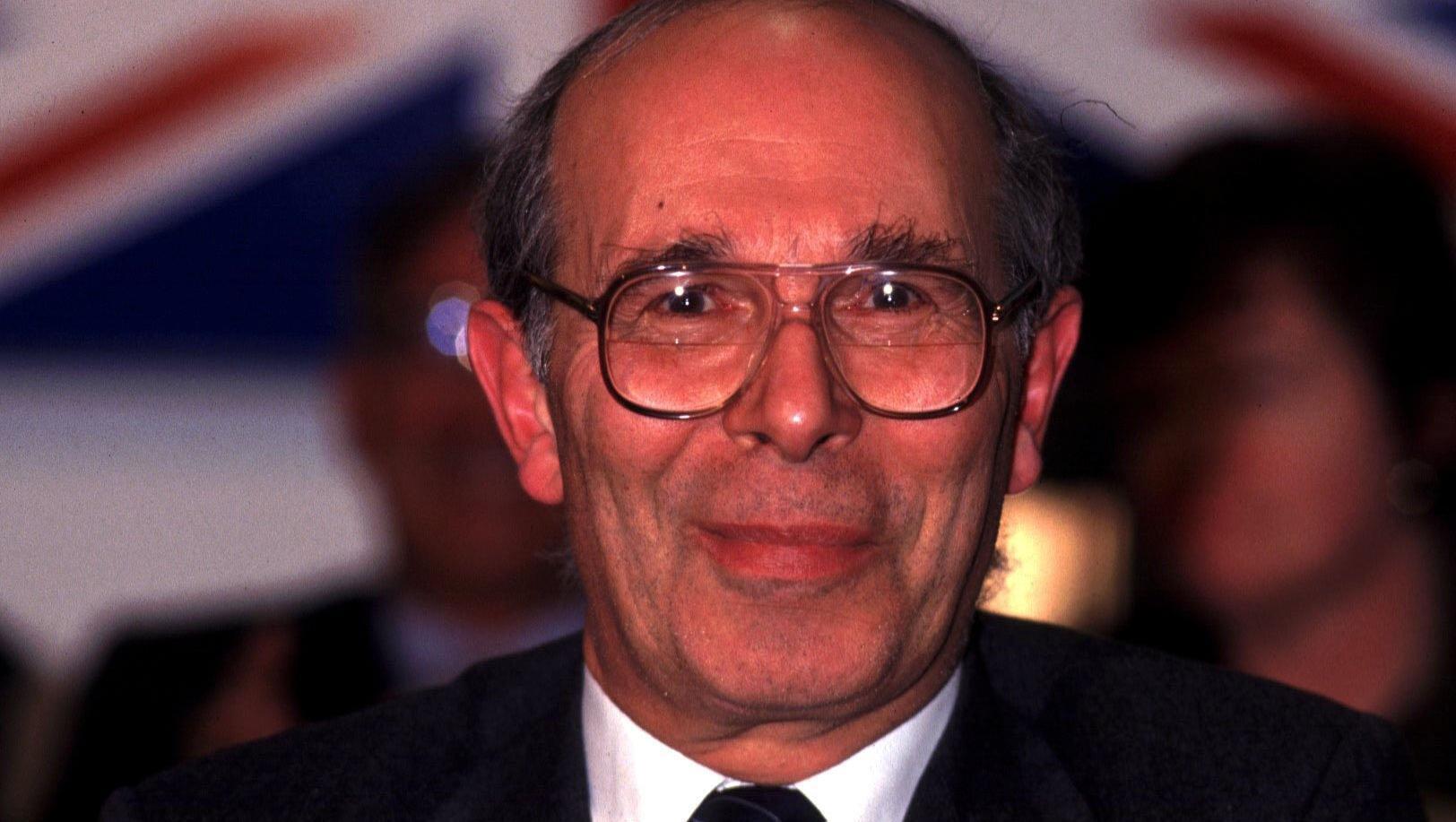
Mervyn Taylor's crowning achievement was the divorce referendum of 1995.

The first time Mervyn Taylor was offered a seat at the Cabinet table, he turned it down.
He wanted the job, and he wanted to be the first member of the Jewish community in Ireland to be a member of the Government. So refusing that offer was one of the toughest things he ever did.
It was in the middle of the 1980s, and the government of the day was led by Garret Fitzgerald and Dick Spring. Frank Cluskey, a Labour minister, has just resigned from the Cabinet after a blazing ideological row.
A privately-owned company called Dublin Gas was on the brink of collapse, and the Cabinet essentially decided to bail it out with a large dollop of public money.
The company had to survive, of course, but it should have been taken into public ownership. It was the failure to do that that led to Cluskey’s resignation.
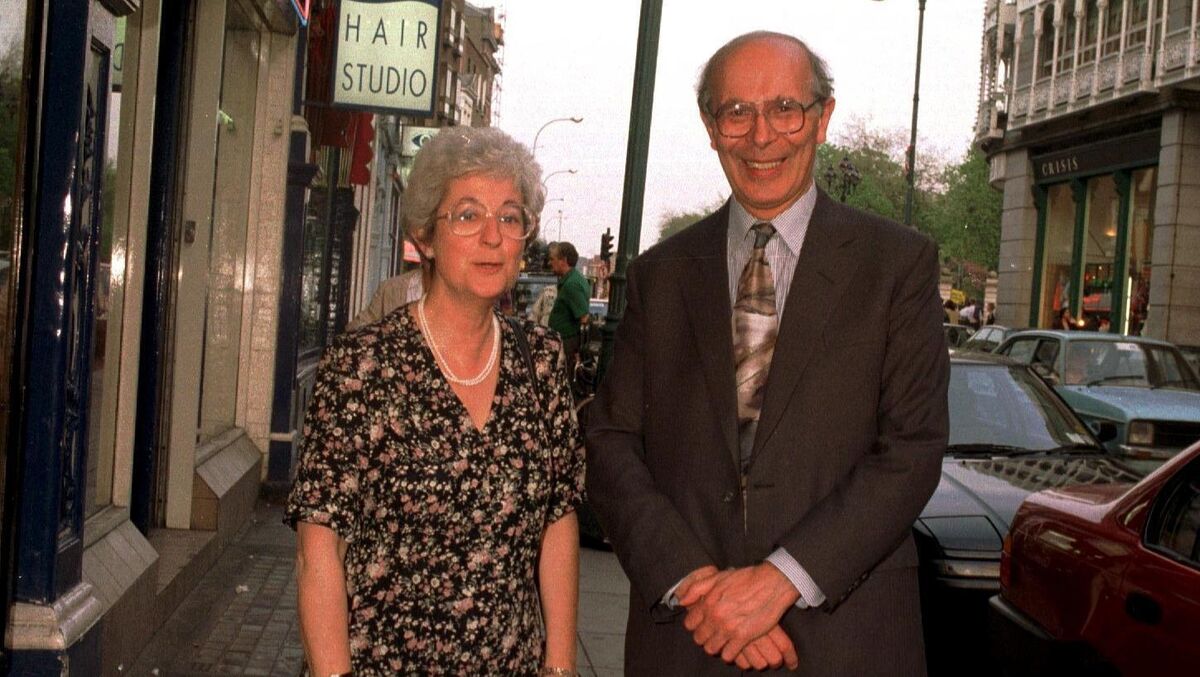
I can still remember — I worked for that government — walking into Dick Spring’s office late one night in the middle of that crisis and finding Mervyn Taylor, his sleeves rolled up, being briefed by the then Cabinet secretary on the procedures necessary for Mervyn to divest himself of involvement in his solicitor’s practice.
The following morning, after what I later came to know was a sleepless night, Mervyn said no. He did so essentially because he believed it would be seen, by people to whom he was close and whom he respected, as a betrayal of the left-wing anti-coalition element of Labour, and he wasn’t prepared to do that.
I remember disagreeing with him at the time, but also realising that that was a mark of the man.
From that moment on, one of the lessons I learned from Mervyn Taylor was that you can disagree with someone deeply, and still respect them enormously. From that day, until the day he died last week, Mervyn Taylor had my complete respect.
He got his chance later, of course, in the government that was formed after the 1992 election. The four years he served in office were, by any stretch of the imagination, a bumpy ride.
For the only time in Irish history, that government changed midway through without an election, and in the course of that change there was a serious effort to downgrade the job Mervyn had to junior ministerial status. He saw that off and carried on doing very considerable things.
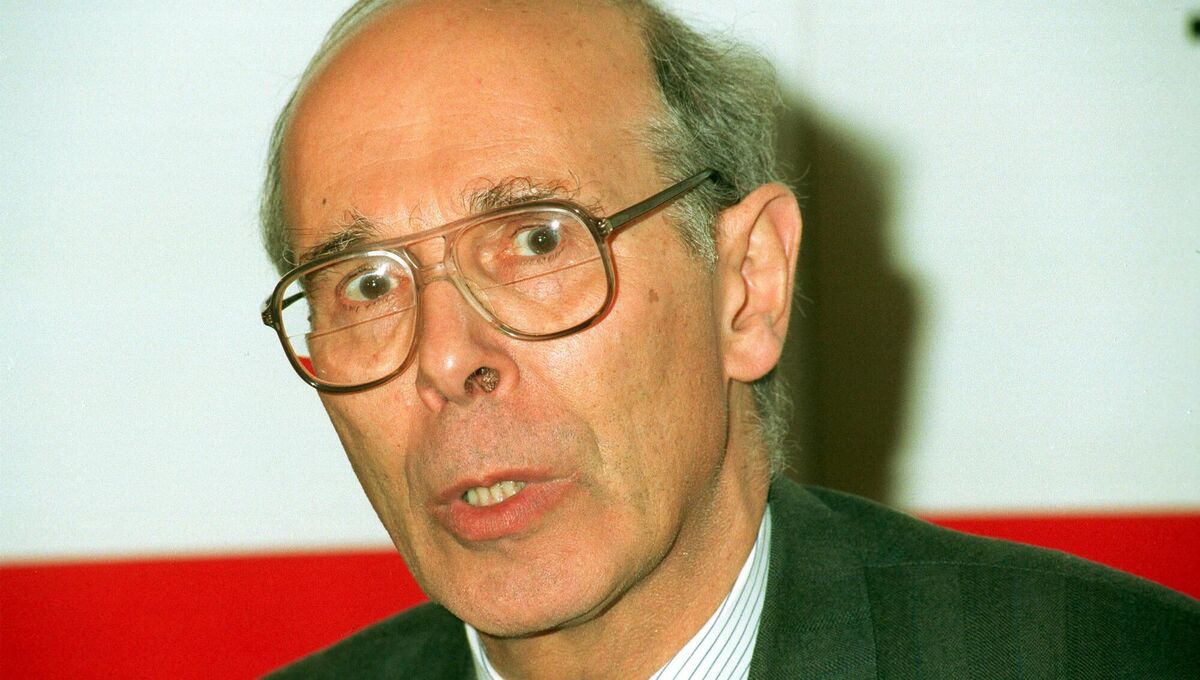
Over the course of my time in and around politics, there have been very few Cabinet members who could list off as many major reforms as he accomplished. The list of legislative achievements — most of which have had profound consequences — is extraordinary.
I want to mention just a couple of things.
First, with no previous governmental experience, he built a department from the ground up. Mervyn was the first person in the history of the State to occupy a Cabinet-level department entirely devoted to the idea of equality and law reform. In a society that at the time was riddled with social and economic inequalities, what did that mean? How do you go about it? Where do you begin?
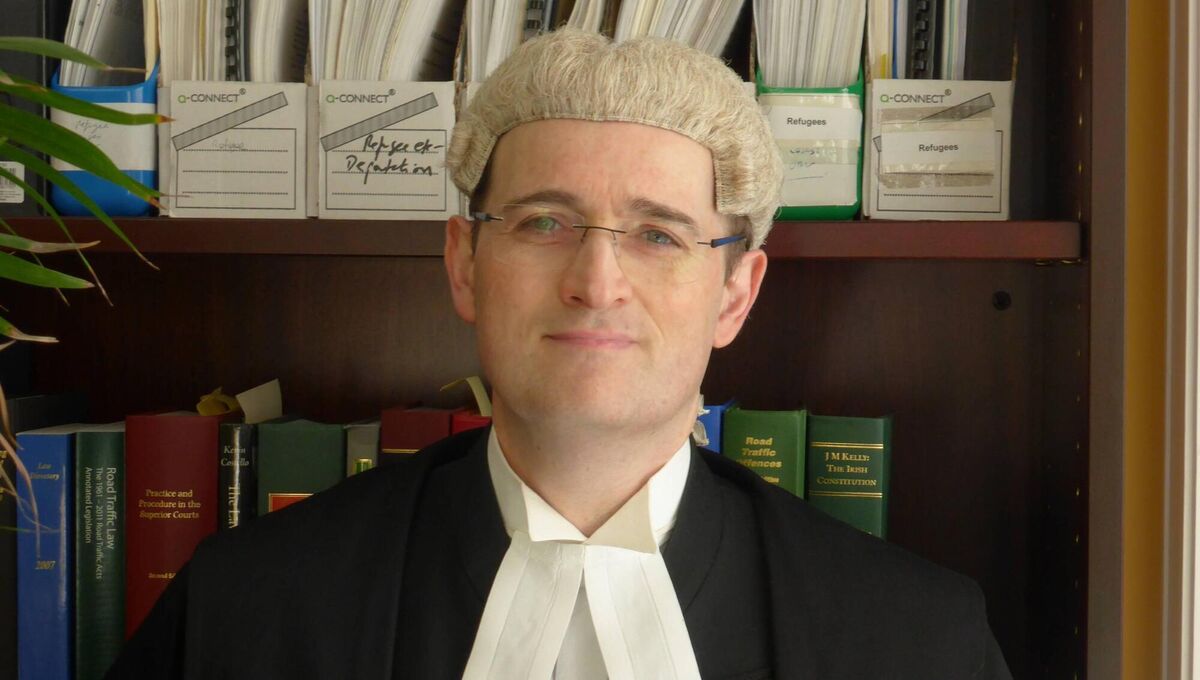
For Mervyn, that simply meant taking off his jacket and rolling up his sleeves. He put a small team around him and got on with it. A lot of the legislation, and a lot of the innovation his department produced was personally drafted by Mervyn and his brilliant legal adviser Richard Humphreys (now a distinguished High Court judge).
His close friend Paul Mulhearn — a man with a great gift of humour and friendship — became an invaluable programme manager. If Mervyn needed other ministers or their teams to be hustled along, Paul would do the hustling (and he did it so well they seldom realised they’d been hustled!).
But the other thing about Mervyn, apart from an endless capacity for sheer hard work, was that he had insight and empathy. One of the things he wanted to do was to change the world around disability.
How to change that? Mervyn remembered that one of the seminal changes that had been brought about earlier was in relation to women’s rights, and it had been begun by a Commission on the Status of Women. That commission had been unique because it was chaired by a woman and its membership was almost entirely women.
So, when Mervyn established the first — and so far only — Commission on the Status of People with Disabilities, he made sure that a clear working majority of the commission were people with disabilities themselves and their families. The report it produced was far-reaching and shone a light for the first time on the marginalisation that thousands of people with disabilities suffered.
His crowning achievement, of course, was the divorce referendum of 1995. We had tried before to remove the infamous constitutional ban on divorce and had failed miserably. Mervyn succeeded, despite a powerful fear-based campaign against him (remember the posters – “Hello divorce, bye-bye Daddy”?).
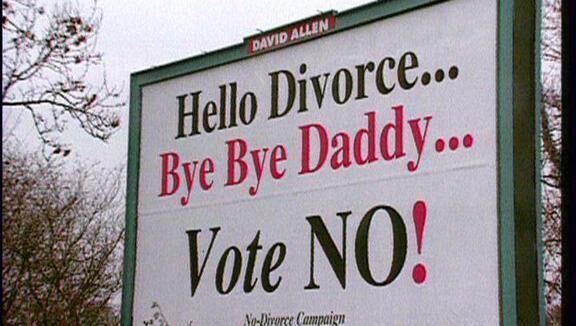
And he succeeded for two reasons.
First, because he was trusted. Here was a senior, well-respected solicitor, reassuring us that the floodgates wouldn’t open and that the fabric of Ireland wouldn’t collapse in a heap.
But second, Mervyn was a planner and a strategist. His great insight at the time was that divorce was a muddled and complicated issue. It threw up all sorts of things — succession, the rights of children, who is to blame if a marriage breaks down, what happens to the farm or the house.
Tens of thousands of Irish people at the time were trapped in broken marriages. Deal with all the other stuff, get rid of the question of fault, and ask yourself one thing — should people whose marriages are irretrievably broken be denied a chance of happiness in a new relationship?
Because he succeeded in framing the question that way, Ireland changed its 60-year-old divorce law.
A 65-35 majority against 10 years earlier became a slim majority in favour 10 years later. And Ireland is immeasurably better for it. As Mervyn promised, the floodgates never opened.
Mervyn Taylor’s sheer hard work, his insights and his empathy, changed his country in all sorts of ways — all of them for the better. He was also (and I’d never forgive myself if I forgot to say this) a genuinely warm, courteous, and gentle man.
He has well earned his rest.
CONNECT WITH US TODAY



Be the first to know the latest news and updates