Joyce Fegan: Our heartbreak for Afghans is useless unless we act
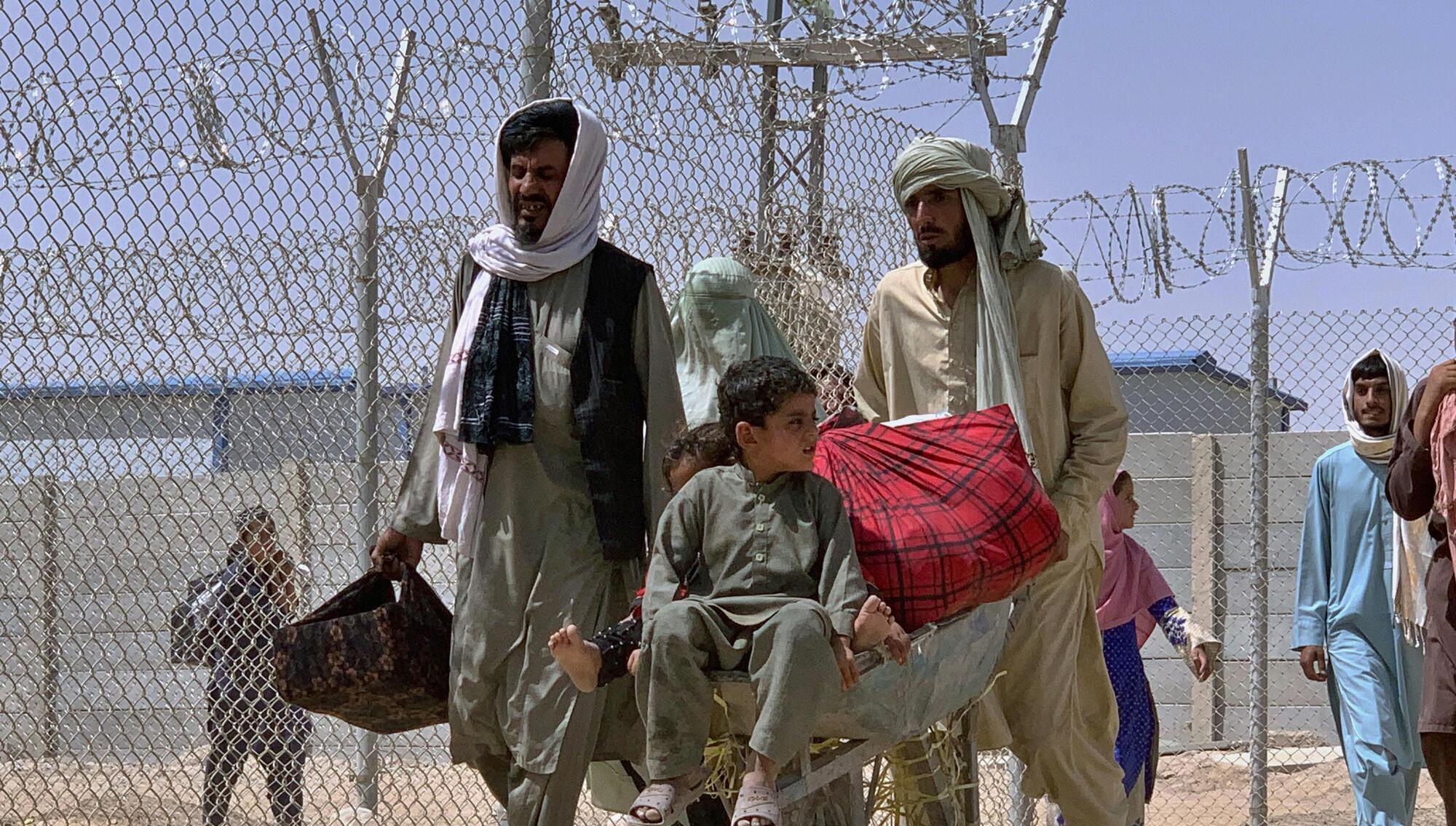
An Afghan family enter into Pakistan through a border crossing point in Chaman. Chaman is a key border crossing between the two countries, with thousands of people from both normally crossing daily. Picture: AP

While watching men fall from planes as women burn their degrees and mothers shroud their young daughters, our hearts break.
Our heartbreak is matched only by our helplessness: A comment to a friend here, a liked Facebook post there — we feel powerless at the Taliban takeover of Afghanistan, so we return to our Netflix show or social-media scroll.
But in our heartbreak and helplessness, we need to check our empathy: Is it about how we are feeling or is it about how others are doing?
This is not our lived pain, this is not our lived experience, nor our helplessness.
“For those that feel helpless when the world is aching,” said writer and liturgist Cole Arthur Riley, “practise the kind of empathy that doesn’t always centre you.”
“Your inherent expectation that your role is ‘saviour’, or that you should know and understand what’s best for countries that aren’t yours, is precisely what must be dismantled for their protection,” wrote the author and academic this week.
“Help me enter their pain, without centring mine,” she said.
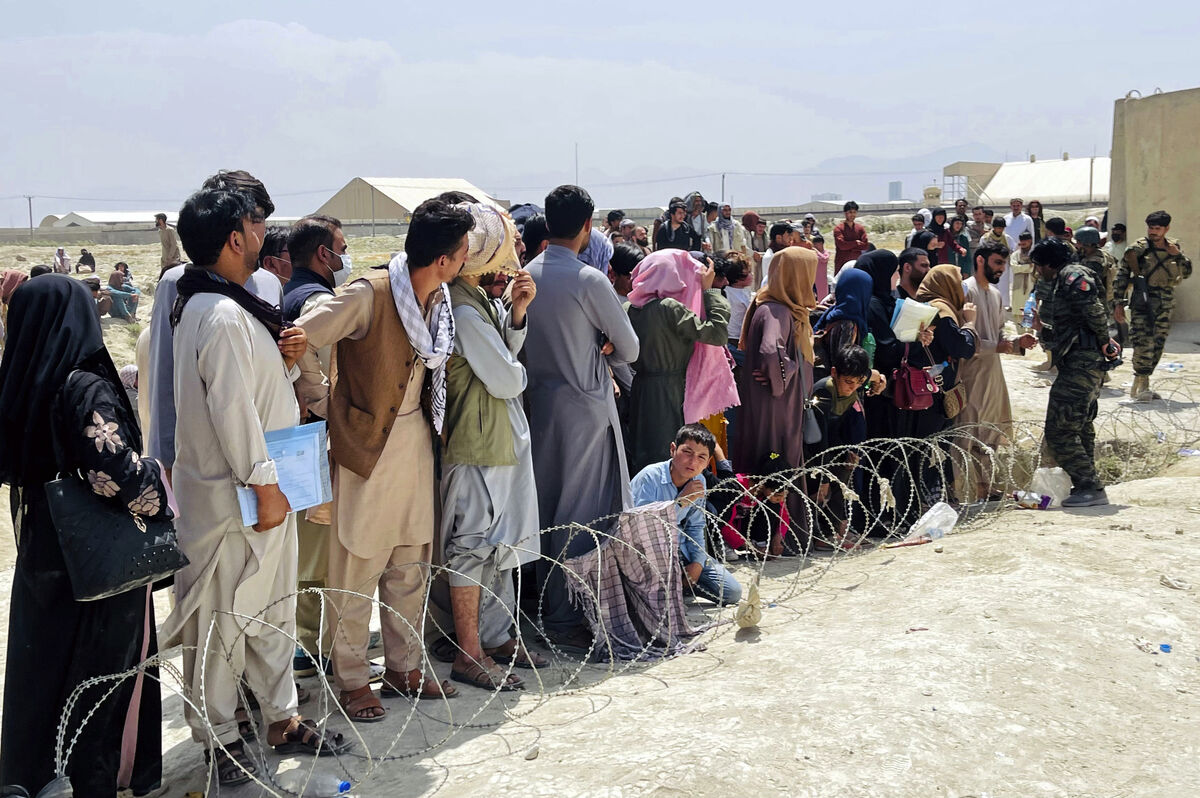
The footage and news from Afghanistan, as people clung to wings of moving planes and women’s faces were painted in the streets of Kabul, were beyond grim.
Many people, from the comfort of their couch, with smartphone in hand, expressed their sincere heartbreak for their fellow human beings. Maybe you opened a link to a donation page, scanned it for information or a monetary suggestion, before leaving it again for something more palatable to fill your screen and time, donation not completed.
But shaming ourselves for our better fortune is as useless to the people in Afghanistan as being immobilised by our feeling of powerlessness.
So what’s a decent citizen to do?
First: Listen.
Afghanistan has 38m people. Listen to the Afghan people there, and in Ireland. What are they asking for?
Second: Move the lens closer to home.
So far in 2021, 70 Afghan people have applied for asylum here, on this land. What stage is their application at? Are there any hold-ups? Let’s ask questions of our Government: Ask your TD, a senator, a local councillor, any elected representative.
Before we despair at news footage from 7,000 miles away, we should consider how we, in Ireland, are responding to the needs of these 70 Afghan people who have already asked us for safe refuge, a new place to build a home.
Then there are the 211 Afghan people living in direct provision here, the system whereby we house asylum seekers for years on end while our Government departments process their applications. The asylum seekers wait and wait to hear news of their application. People who have been through the system, or are in it, have described it as a "life in limbo".
Can we expedite their applications? Do these 211 people have family trying to flee Afghanistan right now? These are some questions we can ask of our elected representatives, who are just an email away from your evening social media scroll.
This week, the Government committed to resettling a further 150 Afghan people, while the Immigrant Council of Ireland and Oxfam said that number needs to be 1,000. Let your elected representatives know you want that increase.
When we rage at colonial powers like the US and finger-point at their role in the latest Afghan situation, we can look closer at how our society and system are treating asylum seekers.
The average length of stay in direct provision is 24 months, with some residents having spent up to 10 or 12 years in it, while we decide whether or not to grant them asylum and let them rebuild their lives.
And the majority of the centres are managed by private contractors on a for-profit basis. Conditions vary widely from centre to centre.
There are 38 of these centres in 17 counties in Ireland, in remote places where there is, maybe, one bus service a day to a local town. Imagine fleeing your country to end up in no-man’s land for years on end? This is Ireland, not Afghanistan.
The Government has committed to ending the direct provision system by 2024. When you feel powerless at the situation in Afghanistan, ask your TD to make sure we reach that 2024 target.
In the meantime, see if there are any centres near where you live. Sometimes, private hotels are used. Often, there are new mothers there or pregnant women in need of everything we take for granted. Parents often need help affording school bags and books for their children. See what the people in your area need and try to source it for them.
If you’re an employer and a local person in direct provision has the right to work, see if you can employ them.
The only antidote to helplessness is informed action.
Say you can’t afford a donation. There are many people and small businesses who have really struggled these last 18 months who are now putting on fundraisers all around Ireland and online to gather donations for established programmes.
And there are so many other things to do, too.
World Pulse, an independent, women-led network for social change, has a curated spreadsheet list of actions people can take, complete with the registered organisation you would be helping. You can access it here
There are clever things, like donating your flight miles to Afghan asylum seekers who already have the visas and documentation, but cannot afford airfare.
Other actions include signing petitions addressed to the European Union.
We’re anything but powerless. We can’t do everything, but we can definitely do something.
Our heartbreak is useless unless it informs action.
CONNECT WITH US TODAY



Be the first to know the latest news and updates