Rescuing bogs ticks all boxes for nature and climate change
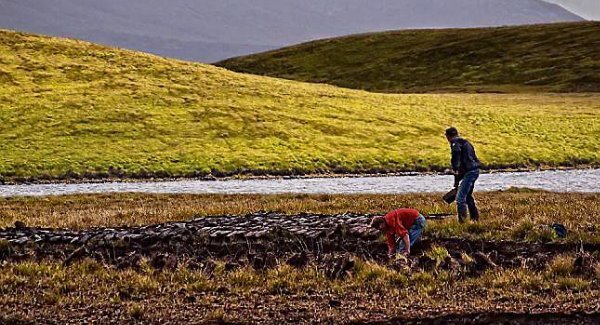
IN school, long ago, we would stand before a map of Ireland hanging on the wall, pointing with a stick to places all around the country. And the great Bog of Allen appeared to take over the Midlands. Now, due to large-scale commercial peat harvesting — some called turf ‘brown gold’ — that bog has almost disappeared.
In recent years, campaigns have begun to save what’s left of the bogs and the Irish Peatland Conservation Council (IPCC) aims to reverse the fortunes of some of our main peatlands — raised bogs.
The IPCC owns and manages Lodge Bog, in Co Kildare, once owned by Bord na Mona and a remnant of the Bog of Allen. Up to 4km of drains have been blocked and 200 dams inserted in the drains. The results of this work are encouraging, with water levels rising by 20-30cm all over the bog.

The ground is softer, wetter and the bog building moss, sphagnum, has colonised the drains. In the last five years, sphagnum cover has expanded by up to 70% in bare areas.
All of this spells regeneration of the 35-hectare Lodge Bog, involving the restoration of peat formation and the protection of its wildlife, in particular breeding curlew and the large heath butterfly, says the IPCC’s Katie Geraghty.
Bog is made from water, peat and vegetation and if any one of these components is removed, the future of a bog and its wildlife is threatened. Raised bog habitat is a conservation priority within the EU. Lodge Bog, open to the public all year round and popular with school tours, began to grow around 10,000 years ago.
This bog is a home to 186 different birds, mammals and insects and 47 different species of spider alone. Also found there are the mountain hare and fox, not to mention 59 moths, 13 butterflies and 10 dragon flies. Birds there include meadow pipit, kestrel, common snipe and skylark. For the botanist, there are 150 plant species.

As if to underline the fragile nature of bogs, experts say each footstep on the bog surface takes three years to disappear. The visible effects of visitor trampling include peat compaction, drying of peat and a change in vegetation, leading to a loss of sphagnum and heather and a dominance of bare peat. There are signs of trampling damage on Lodge Bog and the IPCC has constructed a boardwalk to reduce the impact of trampling on the site.
Apart from the natural beauty of bogs and their importance for nature, there’s also the bigger picture of tackling climate change. As bogs are huge carbon stores, they help in the battle against global warming. For instance, studies show more carbon is locked in British peatlands than in all the forests of Britain and France combined.