Vulnerability to Brexit: We need other trading partners
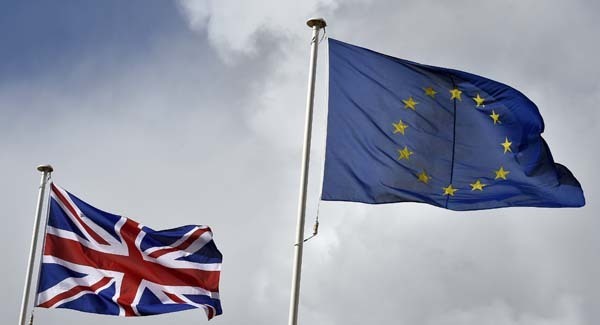
When the people of the United Kingdom voted to leave the EU, on June 23, it provoked a tsunami of self-centred comment on this side of the water. Would it be economically disastrous for Ireland or would it bring huge opportunities for our financial services market?

Vulnerability to Brexit: We need other trading partners

What would happen to the Northern Ireland peace process and would we return to a hard border between north and south? What about Irish citizens living in Britain and British people living here?

The commentaries — often contradictory — posed more questions than answers, but they all tended to be predicated on the assumption that the British people had made a huge mistake and would come to regret exiting the world’s largest trading bloc, as it would leave their country isolated and vulnerable to global economic winds.

Voters had been hoodwinked by clever Leave campaigners, who preyed on their fears and prejudices, the argument went.

They had been swayed, in part, by wistful thinking, dreaming of reigniting past glories and harking back to the late 19th century policy of “splendid isolation” espoused by Benjamin Disraeli and Lord Salisbury.

There was a general consensus among economists, both here and in the UK, that Brexit was a bad decision and that, without its once-proud empire, Britain would find it difficult to forge major trade alliances on its own.

In other words, England’s difficulty would, once again, be Ireland’s opportunity.

The fallacy of such blinkered thinking is exposed today in our report on the Irish food sector. This shows that our fishing and farming industries are particularly vulnerable to Brexit.

Up to now, British politicians have acted like rabbits caught in the headlamps of an oncoming car, petrified and unable to avoid impending disaster.

But Britain’s business sector appears to have finally shaken itself up and is looking on Brexit as an opportunity, rather than a difficulty. Multinationals, like Tesco and Sainsbury’s, are looking to South America, particularly Brazil, as a source of beef and that, obviously, is a challenge for Ireland.

Brexit also shows the limitations of the EU. While the single market means traders in member states have access to around 700m people for their goods, they are restricted in the countries they can trade with beyond EU borders.

Post-Brexit Britain will be able to negotiate bilateral trade deals with whatever country it chooses. Britain has form in doing this.

It began to trade its way to prosperity in the early 1600s, becoming dominant in the world economy within 200 years. It could trade its way out of whatever challenges that leaving the EU brings.

When Britain and Ireland joined the then EEC, in 1973, we were almost totally dependent on our nearest neighbour as a market for our goods. EU membership has allowed us to diversify, but we need to go much further down that road and seek new opportunities, both inside the EU and outside it.

Ireland is far more vulnerable to a successful Brexit than to a failed one.

More in this section

Revoiced

Newsletter

Sign up to the best reads of the week from irishexaminer.com selected just for you.

Cookie Policy Privacy Policy Brand Safety FAQ Help Contact Us Terms and Conditions

© Examiner Echo Group Limited










